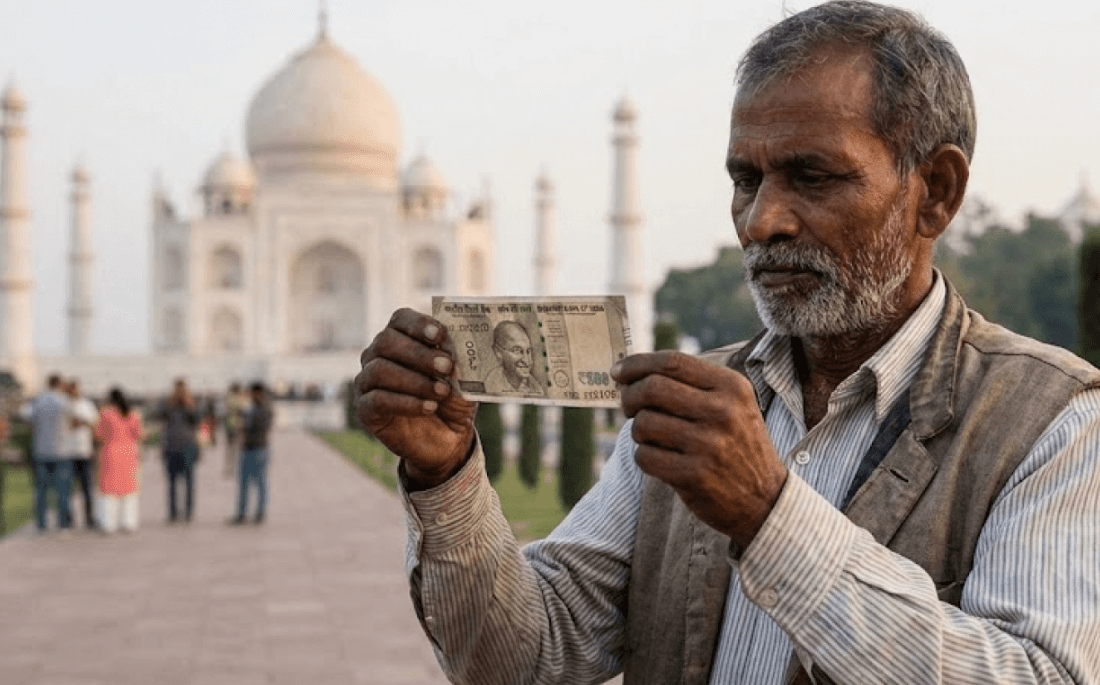
Global – January 23, 2026 – Stop for a sec. Look at the cash in your pocket. Really look at it. Not the numbers. Not the shiny bits. Look at what it’s trying to say. Every bill tells a story. About where it’s from and what that place thinks is cool.
This analysis isn’t about money stuff or exchange rates. It’s about pictures and how simple designs turn paper into stories.
Money feels basic, right? You make it. Save it. Spend it. But look closer. It’s like a tiny poster that travels everywhere. Through stores, across borders and hand to hand. It’s one design that stays the same while everything else changes. New flags and leaders. But money? It keeps going. Same pictures and ideas.
Here’s what’s wild. Almost 180 types of money exist today. Different places and different people. But they all use the same five ideas to show who they are. Same basic stuff underneath.
Five visual languages dominate global currency design.
- History and memory
• Nature and territory
• Science and progress
• Art and culture
• Unity and shared values
Think of it like grammar. But for showing who you are.
Meta Description: Find how 180 world currencies use shared visual symbols to express national identity through history, nature, culture, progress, and unity.
Money as the Most Ignored Branding Tool on Earth
We think of country ads as big things. Like olympics and tourist videos. But those happen once in a while. Money? That’s every day. One bill might touch hundreds of hands.
- Locals see it daily
• Tourists take it home
• Money shops show it off
• People post pics online
No ad gets used that much. But we don’t see money as an ad. It’s too normal. We stop looking. But the people who make it? They care a lot. What goes on money isn’t random. It’s picked on purpose. To show what matters. What should be remembered. Money is like a country’s diary. But with pictures, not words.
The First Language: History and National Memory
This one’s the most popular. About two of every five pictures on money come from the past, old leaders, heroes, poets, people who fought for freedom and old buildings.
Why? History makes things real.
It says:
• We were here before
• We fought hard
• We earned this
U.S. dollars show old presidents. British pounds have kings and queens. Indian money shows freedom fighters. African and Latin money often shows people who won independence.
History does three things at once.
- Links past to now
• Says thanks to heroes
• Shows who belongs
When a country puts someone on money, it’s not just being nice. It’s picking which past matters. Which fights count. Who gets remembered. Money is like a tiny museum you can carry.
The Second Language: Nature and Territory
Next up? Nature stuff. Animals, plants, rivers, mountains, trees and beaches. These are about places. Countries with cool nature love this.
Common nature-based themes include:
• Wild animals like eagles and lions
• Big views like mountains and rivers
• Ocean stuff like fish and coral
• Trees, flowers, local plants
Canada uses animals a lot. Australia shows native creatures. Islands show oceans. African and South American money often has famous animals.
Nature says:
• This place is special
• This land is ours
• This is what we have
Nature pictures feel good, not political. You don’t need to read to get it. A lion means strong. A river means life. Trees mean lots of good stuff. Nature speaks to everyone.
The Third Language: Science and Progress
Not all countries look back. Some look ahead. About one in six money pictures show new stuff.
- Bridges and roads
• Tall buildings and cities
• Space stuff
• Factories and power
Countries that want to look modern use this. You see it in East Asia, the Gulf and growing places.
These designs show dreams.
They say:
• We’re building
• We’re new
• We belong tomorrow
Unlike old stuff, this shows hope. What a country wants to be, not just what it was. Money becomes a promise with pictures.
The Fourth Language: Art, Culture, and Aesthetics
Another big chunk shows culture stuff.
This includes:
• Old patterns
• Famous buildings
• Religious places
• Music and dance stuff
• Writing and local art
This isn’t about power or growth. It’s about who we are through art.
Old places with lots of culture use this. Middle East patterns, European landmarks, South Asian cloth designs and East Asian writing.
Cultural imagery says:
• We’re more than politics
• We make cool stuff
• Our culture runs deep
Art designs feel forever. Leaders change. But temples and art stay. This also makes people curious, want to visit and feel something without ads.
The Fifth Language: Unity and Shared Values
The smallest but coolest group is unity. Some money uses shapes instead of real stuff.
- Stars and circles
• Shields and signs
• Maps and borders
• Group designs
The euro is the best example. It uses made-up bridges. No real place. The message? We’re all together, not just one country.
This language says:
• We are one
• This is ours together
• We all belong
Unity isn’t about stories. It’s about being part of something.
Why These Five Keep Repeating
What’s wild isn’t just these five groups. It’s that almost all money fits in them. All types of countries. Rich, poor, old or new. They all think the same way. Why?
Because these five show how people think about who they are.
- Past
• Land
• Future
• Culture
• Group
Money just shows how brains work. It’s a memory you can see.
Money as Everyday Propaganda
Don’t freak out. Propaganda just means repeated messages. Every time you hold money, your brain sees the same stuff.
- Who matters
• What’s good
• What’s forgotten
Kids grow up seeing the same faces. Tourists take home the same pictures. People just absorb it all. Money doesn’t argue. It just is. Quietly changing how you think. That makes it super powerful for any country.
In the Age of Digital Money, Does This Still Matter?
Cash is going away. So does design matter? Maybe more than ever. As real money gets rare, it gets more special. More collected, more on purpose. Digital money has no pictures. No feel or story. Real money becomes art you keep. Not just a tool, a statement.
One Planet, Many Nations, Same Visual Instincts
Look at 180 types of money over hundreds of years. One thing pops out. Even with different cultures and politics, countries tell the same stories about themselves.
They all want to look:
• Real
• Rooted
• Moving forward
• Full of culture
• Together
Money doesn’t just move value. It moves meaning. And every time you buy something, you’re not just trading cash. You’re part of a world system of identity stories that’s been running for ages. Five languages, one medium. The most traveled art project ever made.