
Cardiovascular disease and hyperlipidemia are a drag on people worldwide. High cholesterol
and triglycerides are a big reason why. While we’ve got some great medications that do the
job, we’re all looking for natural fixes to go along with our regular treatments and to stay
healthy.
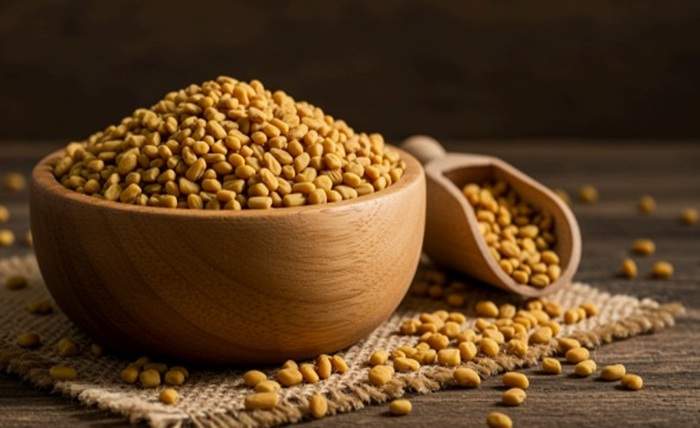
That’s where fenugreek comes in. It is an old herb used for medicine and cooking that’s
getting some serious attention for its cholesterol-lowering properties. The reason behind this
is a unique soluble fiber called galactomannan, which comes from plant’s seeds. This fiber is
what makes fenugreek a natural alternative to manage cholesterol.
What Is Galactomannan?
Galactomannan is a special kind of carbohydrate with mannose backbone and galactose
side groups. The kind that comes from fenugreek seeds is pretty unique with its one to one
mannose to galactose ratio. This structure is what makes it so soluble and thick. When you
eat it, it forms a thick gel in your stomach which is key to how it helps manage fat and sugar
in your body.
How Galactomannan Fights Cholesterol
Fenugreek’s galactomannan helps fight cholesterol in a few different ways:
1. Bile acid sequestration
The thick gel from galactomannan binds to bile acids in your small intestine. Your liver uses
cholesterol to make bile acids so when gel traps them it forces your liver to use up more of
cholesterol stored in your body to make new ones. This is what helps lower your overall
cholesterol levels.
2. Slows cholesterol absorption
The viscous gel also acts like a net trapping cholesterol you eat and slowing down its
absorption.
3. Saponin and phytosterol content
Fenugreek seeds also contains other helpful things like saponins and phytosterols. Saponins
also mix up with cholesterol to stop it from being absorbed. Phytosterols fight for same
absorption spots as cholesterol. This means less cholesterol gets into your blood.
4. Impact on gut microbiota
Early research shows that galactomannan is a great food source for your gut’s friendly
bacteria. They create short-chain fatty acids that can help with your body fat management
and reduce inflammation when they feast on it.
Clinical Evidence and Research Findings
A number of studies on people and animals have looked at fenugreek’s effects. A big review
of trials found that fenugreek supplements made a dent in total cholesterol, LDL cholesterol
and triglycerides. Some studies also saw a slight boost in HDL cholesterol.
A review published in MDPI found that fenugreek helped with sugar control and cholesterol
levels in people with type 2 diabetes. The fiber is believed to stop absorption of sugar and
fat.
Another study showed that fenugreek seed powder helped lower total and LDL cholesterol
without affecting HDL cholesterol in people with high cholesterol.
Also, a study on rats that ate lots of sugar showed that a diet with galactomannan from
fenugreek seeds lowered their triglyceride and total cholesterol levels. It even improved their
blood sugar.
Dosing and Safety
In food products, fenugreek is safe if it is sourced from a reliable hydrocolloids supplier.
Studies have used anywhere from 5 to 50 grams per day of powder or extract as a
supplement.
While it is generally safe there are a few things to keep in mind:
1. Common Side Effects: The high fiber content can sometimes cause Gastrointestinal
issues such as gas, bloating and diarrhea.
2. Blood Sugar: Fenugreek can lower blood sugar. If you have diabetes and take blood
sugar medication then talk to a doctor before taking it to avoid low blood sugar.
3. Drug Interactions: It can have an additive effect with antidiabetic drugs and could
interact with blood thinners which might increase bleeding.
4. Pregnancy: It is not recommended to use more than a food amount of fenugreek during
pregnancy because it has been linked to uterine contractions.
5. Allergies: If you are allergic to other legumes like peanuts or chickpeas you might also be
allergic to fenugreek.
Is Galactomannan a Trusted Solution for Cholesterol?
Studies strongly suggest that galactomannan fiber from fenugreek is a great natural way to
manage cholesterol and improve fat profiles. Its many ways of working like trapping bile
acids and reducing cholesterol absorption make it a valuable supplement for heart health.
But you should always talk to your doctor before starting any new supplement especially if
you have other health issues or take other medications.