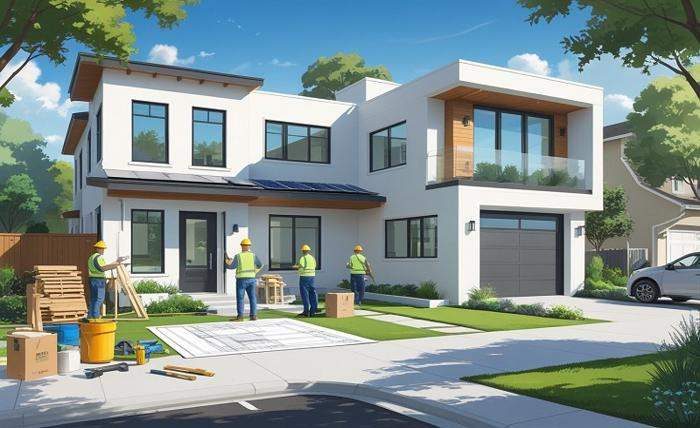
North Hollywood homeowners looking to expand their living space have two powerful options: comprehensive home remodeling and accessory dwelling unit (ADU) construction. Working with a design-build firm that handles both services under one roof eliminates the hassle of coordinating multiple contractors and ensures a cohesive approach from initial concept through final completion.
A one-stop design-build approach streamlines the entire process by combining architectural design, permit processing, construction management, and build services into a single, coordinated effort. This integrated method saves time and reduces miscommunication while delivering consistent quality across every phase of the project.
North Hollywood’s dynamic neighborhoods and diverse property types make it an ideal location for both home renovations and ADU development. The area’s zoning regulations support ADU construction in zip codes 91601, 91602, 91605, and 91606, while its vibrant community continues to attract homeowners seeking to maximize their property’s potential through thoughtful design and functional expansion.
Comprehensive Home Remodeling and ADU Solutions in North Hollywood
North Hollywood homeowners can maximize their property’s potential through professional home remodeling services combined with accessory dwelling unit construction. These solutions address space limitations while creating opportunities for rental income and increasing overall property value.
What is an Accessory Dwelling Unit (ADU)?
An accessory dwelling unit is a secondary housing structure located on the same residential lot as a primary residence. ADUs function as independent living spaces with their own entrance, kitchen, bathroom, and sleeping area. These units serve multiple purposes including rental properties, guest accommodations, home offices, or housing for family members.
California regulations permit ADUs on most residential lots, making them an accessible option for North Hollywood property owners. The units typically range from 400 to 1,200 square feet depending on lot size and local zoning requirements. ADUs must meet building codes and safety standards while providing complete living functionality separate from the main house.
Types of ADUs: Attached, Detached, and Garage Conversions
An attached ADU connects directly to the main residence through a shared wall or converted space within the existing home structure. These units often utilize unused areas like basements or bonus rooms.
A detached ADU stands as a separate structure on the property, offering maximum privacy for both residents and occupants. Detached units require adequate yard space and typically involve new construction from the ground up.
Garage conversions transform existing garage structures into livable ADUs, representing the most cost-effective option. This approach preserves the building’s footprint while repurposing underutilized space. The conversion process includes adding insulation, plumbing, electrical systems, and proper ventilation. Property owners maintain street parking options while gaining functional living space.
The Design-Build Process for Home Remodeling and ADUs
The design-build approach combines architectural planning and construction under one team, streamlining the entire ADU project timeline. This method starts with an initial consultation to assess property conditions, budget parameters, and homeowner objectives.
Design professionals create plans that comply with North Hollywood zoning codes and building regulations. The team handles permit applications, utility connections, and inspections throughout the adu construction phase. This unified process eliminates coordination gaps between separate architects and contractors.
Material selection focuses on durability and energy efficiency to reduce long-term maintenance costs. The construction team manages scheduling, subcontractors, and quality control from foundation to final walkthrough. Homeowners receive regular updates and maintain involvement in decision-making while the design-build firm manages technical execution.
Benefits of Adding an ADU to Your Property
Building an adu generates consistent rental income that offsets mortgage payments or provides additional household revenue. North Hollywood’s proximity to entertainment industry hubs and the Arts District creates strong rental demand for accessory dwelling units.
Property values increase substantially with the addition of functional living space. ADUs expand housing options without requiring new land acquisition or relocating from established neighborhoods.
These units provide flexible solutions for multigenerational living arrangements, allowing elderly parents or adult children to maintain independence while staying close to family. Homeowners can also use the space as a dedicated work-from-home office or creative studio. The investment in adu design and construction delivers both immediate utility and long-term financial returns while contributing to neighborhood housing availability.
Key Considerations for Building an ADU in North Hollywood
Building an ADU in North Hollywood requires careful attention to local regulations, sustainable building practices, and detailed project planning. Homeowners must navigate specific zoning requirements while balancing budget considerations and construction timelines.
Local Zoning Regulations and Building Codes
North Hollywood falls under Los Angeles city jurisdiction, which means ADU projects must comply with both state and local regulations. The city allows ADUs on single-family and multi-family properties, with size limits typically ranging from 800 to 1,200 square feet depending on the primary residence size and lot dimensions.
Setback requirements usually mandate 4 feet from side and rear property lines, though some exceptions exist for existing structures. Height restrictions generally cap ADUs at 16 feet for detached units, with different limits applying to attached or converted spaces.
Key zoning factors include:
- Lot coverage percentages
- Parking requirements (often waived within half-mile of transit)
- Utility connection regulations
- Fire safety codes
Building codes in North Hollywood align with California Title 24 standards, which mandate specific electrical, plumbing, and structural requirements. Projects require plan check approval from the Los Angeles Department of Building and Safety before construction begins.
Sustainable Construction and Energy Efficiency
California’s building codes mandate energy-efficient construction for all new ADUs. Title 24 requires specific insulation values, window efficiency ratings, and HVAC performance standards that exceed basic construction practices.
Solar-ready construction is often required, meaning roofs must support future photovoltaic panel installation. Many homeowners choose to install solar panels during initial construction to reduce long-term energy costs and meet Title 24 compliance more easily.
Water conservation features such as low-flow fixtures and drought-tolerant landscaping help reduce utility expenses. Sustainable construction materials like recycled steel framing, reclaimed wood, and low-VOC paints improve indoor air quality while minimizing environmental impact.
Energy-efficient windows with low-E coatings and proper orientation reduce heating and cooling demands. LED lighting and ENERGY STAR appliances further decrease the ADU’s carbon footprint and operational costs.
Planning Your ADU Project: Budgeting, Permits, and Timeline
ADU construction costs in North Hollywood typically range from $200 to $400 per square foot, depending on finishes and site conditions. An 800-square-foot unit averages $160,000 to $320,000, including design, permits, and construction.
Permit fees through Los Angeles Building and Safety vary based on project valuation but generally cost $5,000 to $15,000. The permitting process takes 4 to 8 weeks for standard projects, though complex designs may require additional review time.
Budget allocation breakdown:
- Design and engineering: 8-12%
- Permits and fees: 5-8%
- Construction: 70-80%
- Contingency: 10-15%
Total construction timelines span 8 to 14 months from initial design to certificate of occupancy. Design and permitting consume 3 to 5 months, while actual construction takes 5 to 9 months depending on project complexity and weather conditions.