
Physical therapy school is an important step towards becoming a skilled healthcare professional. But what about life after the textbooks and exams? Do physical therapy students require more than classroom knowledge to succeed in the field?
One key consideration is the residency requirement. This is your guide to physical therapy education, residency programs, and their impact on aspiring physical therapists.
What Is a Residency Requirement?
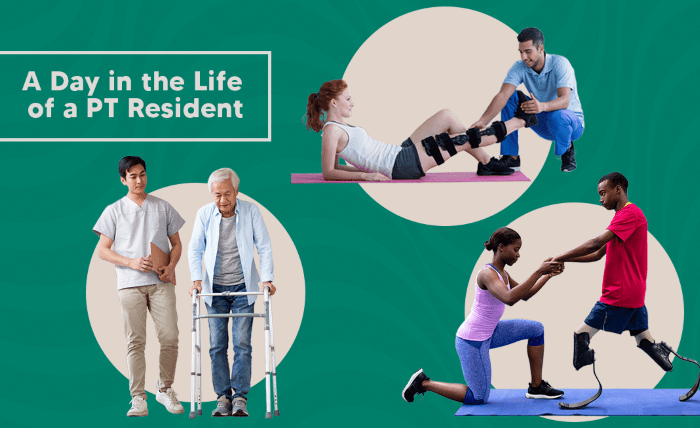
In physical therapy education, a residency requirement refers to the structured post-graduate programs designed to provide hands-on clinical experience to newly graduated physical therapy students. These programs aim to bridge the gap between academic learning and real-world practice, equipping students with practical skills and exposure to diverse clinical settings.
Residency programs typically last one to three years and involve intensive training under the supervision of experienced physical therapists. During this time, students work directly with patients, develop treatment plans, and hone their clinical reasoning skills. The focus is on fostering competence, confidence, and professionalism in aspiring physical therapists.
Do Physical Therapy Students Need a Residency?
The question of whether physical therapy students need a residency is a topic of ongoing debate within the profession. Proponents argue that residency programs are essential for cultivating well-rounded therapists who can deliver high-quality patient care. These programs offer invaluable hands-on experience, mentorship, and exposure to various specialty areas.
On the other hand, some skeptics question the necessity of residency programs, citing concerns such as prolonged time commitments, financial constraints, and the availability of entry-level job opportunities. They argue that students can acquire necessary skills through entry-level positions and continuing education, bypassing the need for a formal residency.
Despite differing perspectives, one point remains clear the transition from classroom learning to clinical practice is a critical juncture in a physical therapist’s journey. Residency programs provide a structured pathway for students to gain practical experience, refine their skills, and build confidence as they prepare to enter the workforce.
What Can You Expect in Physical Therapy School?
Aspiring physical therapists can expect a rigorous curriculum encompassing coursework in anatomy, physiology, kinesiology, and clinical skills. In addition to classroom instruction, students participate in lab sessions, practical demonstrations, and clinical rotations to apply theoretical knowledge in real-world settings.
Physical therapy programs often emphasize hands-on learning and practical experience, preparing students for the demands of patient care. Throughout their education, students collaborate with faculty members, healthcare professionals, and peers to develop clinical reasoning, communication skills, and a holistic approach to patient treatment.
As students progress through their program, they gain exposure to a variety of patient populations and healthcare settings, including hospitals, clinics, rehabilitation centers, and schools. Clinical internships help shape students’ understanding of the diverse needs of patients and the multifaceted nature of the physical therapy profession.
What Are the Benefits of Residency for Future Physical Therapists?
For future physical therapists, completing a residency program can offer a range of benefits that contribute to their professional development and success. Residency programs offer an immersive learning experience, enabling participants to refine their clinical skills, enhance their diagnostic abilities, and develop confidence in their decision-making.
Moreover, residencies offer a structured environment for ongoing mentorship and guidance from experienced clinicians. By working closely with seasoned physical therapists, residents have the opportunity to receive feedback, learn best practices, and expand their network within the field.
In addition to skill enhancement and mentorship, residency programs often expose participants to diverse patient populations and treatment approaches. This exposure can broaden their clinical perspectives, deepen their clinical reasoning abilities, and help them cultivate a patient-centered approach to care.
Choosing the Right Path: Residency or No Residency?
For those seeking a structured learning environment, mentorship opportunities, and a deeper immersion into clinical practice, a residency program may be the ideal path. Residents benefit from hands-on experience, specialized training, and tailored support as they transition from student to practitioner.
Conversely, individuals who prefer a more flexible approach to professional development may opt to begin their careers immediately after graduation. Entry-level positions offer valuable learning opportunities, the chance to explore different practice areas, and the ability to gain practical experience while earning a salary.
Ultimately, the decision of whether to pursue a residency or not is deeply personal and depends on each individual’s unique career aspirations and circumstances. Both paths offer unique advantages and challenges, and students should carefully weigh their options to determine which trajectory aligns best with their professional goals.