
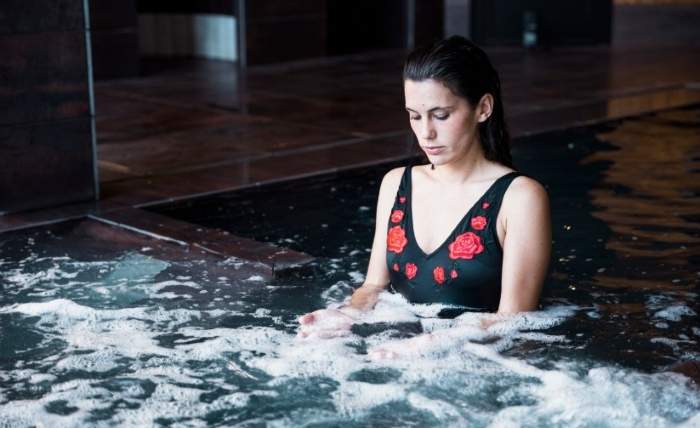
Strength and endurance athletes place very different demands on their bodies; yet, both rely on consistent recovery to maintain optimal performance. Heavy squat sessions create acute tightness and delayed-onset muscle soreness that can linger into the next training day. Long-distance runs cause a slower, more widespread fatigue that settles into the legs. Despite these differences, one recovery tool continues to stand out for its simplicity and reliability: ice bath recovery.
Cold-water immersion provides more than a quick cooldown. It delivers a clear physiological reset that helps athletes read fatigue more accurately, restore movement quality, and support the long-term consistency required for progress. When used strategically, it becomes as important as sleep, hydration and programming structure in keeping training on track.
Why your post-workout body benefits from a temperature reset
After heavy lifting, the nervous system stays elevated, and the tissues around the hips and lower back often hold more tension than usual. Many powerlifters notice that cold immersion helps this tightness settle more quickly. By the next day, warm-up sets tend to feel smoother, with less resistance in those early reps where you’re gauging whether the session will move well or feel laboured.
This is particularly useful for athletes training multiple days in a row. Each session starts with a clean slate, rather than carrying over the residual tightness from previous workouts. While mobility work and stretching play their roles, cold-water immersion brings rapid temperature shifts that influence circulation, nerve activity and perceived soreness in a way most conventional recovery methods cannot.
Endurance athletes experience a different benefit. After a long run, the legs develop a heavy, almost dense feeling that can last well into the next day. An ice bath provides a firm endpoint to the session, helping the body transition from exertion to recovery more decisively. Once your temperature stabilises, the intensity of that heaviness typically reduces enough that recovery runs, mobility work or routine stretching feel more achievable instead of overwhelming.
Reading fatigue signals you usually miss
One of the overlooked advantages of cold immersion is the stillness it creates. Sitting in cold water forces the body and mind to pause, and in that space, athletes often notice patterns they would normally ignore. Perhaps the left hip feels tighter than the right, or a previously minor ankle niggle suddenly becomes more obvious. Maybe the upper back feels more fatigued than expected after a week of lifting.
These subtle signals often get lost in the fast transitions between warm-ups, working sets and cooldowns. Ice bath recovery slows the process just enough for athletes to tune into what their bodies are actually telling them. Over time, this awareness becomes invaluable. You start distinguishing between normal post-training stiffness and the sort that needs more attention, which can prevent small issues from growing into extended training setbacks.
There is also a strong mental component. Cold immersion demands present-moment focus. Many athletes find that their minds stop racing through upcoming sessions, results or performance pressures. This mental reset carries forward into improved sleep and a more grounded approach to training decisions, especially during high-volume blocks.
Ice bath recovery timing that actually works
When it comes to cold therapy, timing is more important than frequency. Instead of forcing an ice bath after every workout, athletes see better results when pairing it with sessions that create the most significant fatigue signals.
Strength athletes often reserve ice baths for heavy lower-body days, especially those involving high-intensity squats or deadlifts. The reduction in residual tightness allows for cleaner movement patterns in the following session, whether it is speed work, accessory lifting or technique refinement.
For endurance athletes, long-run days are usually the most productive time to schedule cold immersion. It turns an otherwise vague recovery period into something more predictable. You learn that a cold bath on Saturday results in more responsive legs on Sunday, whereas skipping it might leave you guessing about how well you will move.
Consistent timing teaches you how your body responds. Patterns emerge: the second day after a heavy lift feels looser with cold therapy, or mid-week tempo runs become smoother when paired with weekend cold immersion.
Most athletes find that water between 10 and 15 degrees offers effective therapeutic benefits without creating unnecessary shock. Once acclimatised, two to four minutes of immersion tends to deliver reliable improvements in soreness, mobility and perceived recovery.
Building sustainable recovery practices
Many athletes first experiment with cold therapy at home. While beneficial, it often involves trial and error with water temperature, timing and exposure length. When the water is too cold, the experience becomes overwhelming. When it is too warm, the benefits diminish. Without guidance, it can be difficult to develop a routine that feels both effective and sustainable.
Wellness centres remove this guesswork. Professional ice bath facilities maintain consistent temperatures, follow safety protocols and offer structured environments that help athletes understand how their bodies respond. This support is especially helpful for those integrating cold immersion into a larger training program with strength, mobility or endurance goals.
Supervised sessions provide clarity, confidence and a baseline for building a personalised recovery protocol. Whether you’re managing tight hips after a squat cycle or preparing for a heavy endurance block, working with a clinic gives you the opportunity to refine the way you use ice bath recovery so that it strengthens your overall training approach.