Most people don’t wake up excited to reinvent their wardrobe every single week. What actually happens is quieter and far more interesting. Clothes slowly earn their place. A jacket becomes the default. A necklace gets worn so often that it barely feels like an accessory anymore. A brand starts showing up in repeat orders without much thought.
Repeat fashion purchases are rarely impulsive. They’re shaped by how clothing fits into real life. Workdays, weekends, social plans, travel habits, and even grocery runs all leave their mark on what people buy again. Retailers have started paying closer attention to this pattern because loyalty today is built on how well a product understands a customer’s everyday life.
Lifestyle Fit
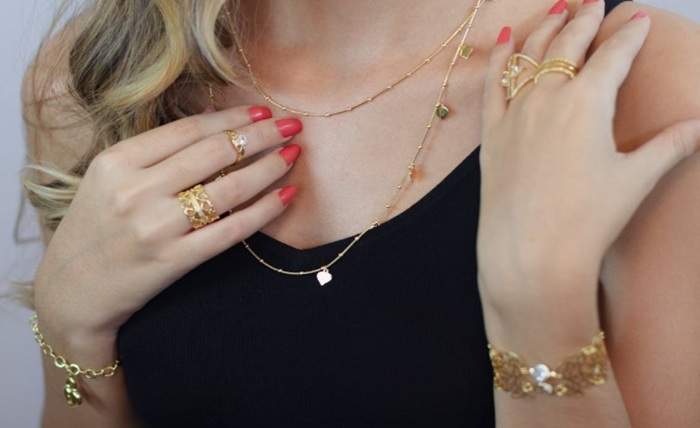
Retailers have learned that repeat purchases often come from alignment, not persuasion. When a product fits seamlessly into someone’s lifestyle, it doesn’t need constant marketing hype. It simply gets worn, noticed, and reordered. Clothing may be the most obvious example, but jewelry follows the same pattern, sometimes even more strongly. Pieces that feel comfortable, versatile, and easy to wear tend to become part of someone’s daily look rather than reserved for special occasions.
For jewelry, lifestyle fit often comes down to wearability. Lightweight designs, familiar silhouettes, and pieces that transition easily from day to night are more likely to be worn repeatedly. Once a customer finds jewelry that works with their routine, they’re far more likely to buy similar styles again. For retailers, this means repeat purchases are driven less by trend cycles and more by how effortlessly a piece fits into everyday life.
Instead of chasing novelty alone, many retailers now focus on consistency. They want customers to return because a product continues to work, not because it was redesigned every season. Retailers increasingly partner with wholesalers who understand lifestyle-driven buying rather than focusing purely on volume. Established suppliers in the wholesale jewelry space, such as well-known platforms like Wholesale Jewelry Website, support this approach by offering reliable, trend-aware collections designed for everyday wear. By sourcing from partners who prioritize repeat-friendly designs, retailers are better positioned to maintain continuity in their offerings.
Comfort Bias
Once people find clothing or accessories that feel good throughout a full day, that experience becomes hard to replace. Comfort means familiarity, ease, and confidence.
This bias shows up in fabric choices, fits, and even jewelry weight and wearability. When something feels effortless, it gets worn more often. When it gets worn more often, it becomes part of someone’s routine. That’s when repeat purchases start to feel obvious rather than deliberate.
Daily Wear
Daily routines have more influence on fashion than any runway ever could. Commutes, work environments, errands, workouts, dinners, and weekends all shape what people reach for without thinking.
When someone’s daily life stays fairly predictable, their fashion choices follow suit. That’s why repeat purchases often look similar. Same silhouettes. Similar accessories. Familiar color palettes. The clothing fits into the rhythm of the day without disruption.
Decision Ease
Shopping fatigue is real. The more choices people face, the more likely they are to stick with what they already know. Repeat fashion purchases are often a shortcut around decision overload. Why spend time comparing options when the previous purchase already did the job?
This is especially true for items that feel personal, like jewelry or everyday apparel. Once a shopper knows how something fits, feels, and wears over time, the risk disappears. Decision ease turns repeat buying into a relief rather than a habit.
Predictable Planning
Many people plan their wardrobes around predictability, not in a rigid way, but in a practical one. They know what they need for work. They know what they wear on weekends. They know what works for travel or social plans.
When lifestyles stay relatively consistent, wardrobes follow suit. Repeat purchases become part of maintaining balance rather than adding variety. Retailers who recognize this design their collections that slot easily into existing wardrobes. Shoppers respond by returning for pieces that fit right into what they already own.
Digital Habits
Online shopping has quietly trained people to repeat themselves. Saved carts, past orders, size profiles, and “buy again” buttons all remove friction from the process. Once a shopper has a good experience, the path back to that same item becomes incredibly short.
Digital habits also reinforce comfort and familiarity. Seeing the same product images, descriptions, and reviews again creates a sense of reassurance. The item feels known before it even arrives. Retailers who keep successful products visible and easy to reorder make repeat purchases feel like a convenience, not a commitment.
Capsule Logic
Capsule wardrobes have made repeat buying feel intentional rather than boring. Instead of chasing variety, many shoppers focus on pieces that work well together and hold up over time. This mindset favors reliable designs over constant experimentation.
In a capsule mindset, repeat purchases are a feature. Buying the same necklace in a different finish or replacing a well-loved staple makes sense. The goal is simply cohesion. Retailers who design with this logic in mind support customers who value continuity and clarity in their wardrobes.
Repeat fashion purchases are about alignment. When clothing fits into real life smoothly, it earns a permanent place. Comfort, routine, and digital ease all work together to guide shoppers back to what already feels right. For retailers, the opportunity lies in paying attention to how people actually live.