
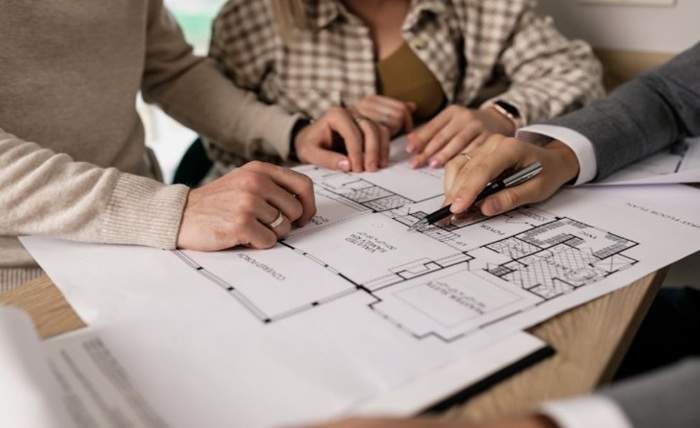
Ever driven past a half-finished housing project and wondered how something that starts with such ambition ends in silent, skeletal frames baking in the sun? In Texas, it happens more than anyone wants to admit. The state’s booming population, wide-open land, and low regulation might invite development—but that doesn’t mean it always gets done right. In this blog, we will share what it really takes to plan the groundwork before a residential project moves forward.
Survey Before You Spend
You can have financing lined up, architectural plans in hand, and contractors ready to roll, but if the land hasn’t been properly surveyed, you’re gambling with every dollar. It only takes one overlooked easement, floodplain, or boundary error to derail a project for months. And in residential development, where margins are often thinner than they appear on spreadsheets, delays aren’t just frustrating—they’re expensive.
That’s why working with detail-focused professionals on the front end matters. For residents of Waco land surveyors can make life easy by delivering more than just boundary lines. When done right, their work brings clear, accurate, and current data into the planning process, giving decision-makers what they need to avoid delays, legal setbacks, and costly mistakes. Their job isn’t just about measurement—it’s about making the invisible visible. Soil grading, drainage routes, utility overlays—these are the elements that define whether a site works or becomes a litigation trap.
Over the past few years, the U.S. housing crisis has reignited interest in large-scale development, especially on underutilized plots. But speed has become a dangerous goal. Developers eager to break ground quickly are skipping foundational steps that used to be non-negotiable. In a rush to beat zoning changes or supply chain delays, many projects start without confirming what the land can actually support.
That’s how new builds flood during the first storm season. That’s how foundations crack because the wrong compaction data was used. And that’s how budgets spiral. If you’re serious about developing a neighborhood that holds up for more than a few years, you start by mapping what’s underneath.
Infrastructure Isn’t Just Utilities
Most people think of “infrastructure” as power, water, and sewage lines. While those are critical, the infrastructure that affects livability long term goes beyond pipes. It’s about how the land functions as a whole. How runoff is managed across multiple lots. Whether emergency vehicles can access every address. How street layout affects traffic flow during peak hours.
What makes this more difficult is the rise of “piecemeal” development. One investor buys a few acres and builds twelve homes. Two years later, someone else buys the adjacent land and adds townhomes. The problem? Without unified planning, each pocket functions like an island—drainage doesn’t align, roads don’t connect, and the whole area becomes a jigsaw puzzle of mismatched decisions.
In cities and suburbs trying to manage fast growth, this kind of disjointed development creates frustration both for residents and city officials. More local governments are now pushing for upfront master plans before permits get issued, requiring developers to show long-term thinking—not just lot lines.
For anyone planning residential development, that means thinking beyond your own parcel. What’s happening up-slope from you? How might changes to your grading affect neighbors? Are your streets going to become overflow routes once nearby parcels get built out? These questions used to be long-term worries. Now they’re early-stage necessities.
Don’t Rely on Outdated Environmental Data
It’s not just weather patterns changing. FEMA flood maps, soil condition reports, and local topography data—many of these were last updated years ago, sometimes decades. Relying on old data can put new development at real risk, especially as climate volatility shifts storm behavior and increases regulatory scrutiny.
A lot of builders found this out the hard way in recent years when hundred-year storms started showing up every five. Projects that barely cleared floodplain requirements on paper suddenly found themselves underwater—literally—when reality didn’t match the projections.
Smart developers are now pairing traditional surveying with newer tools like drone topography and LiDAR scanning. The more current the data, the more defensible the decisions. It’s not about meeting the minimum standard anymore. It’s about understanding the true behavior of the land before building something families are supposed to live in for decades.
And as public scrutiny around climate-resilient building increases, showing that you’ve gone beyond the bare minimum won’t just protect the development—it’ll make it more attractive to buyers and investors alike.
Permits and Power Timelines Are Slower Than You Think
If you’re developing in 2026, you’re probably already feeling the pinch of overloaded city departments. Permits that used to take six weeks now stretch to four months. Power companies are facing transformer shortages. Sewer connections are being scheduled months in advance due to limited contractor availability.
All of this affects build timelines, which then affects investor confidence, pricing, and labor availability. One missed permit can shift a project’s entire sequencing, creating ripple effects across trades and deliveries. If your framing crew is delayed two weeks, your window install might miss the slot by a month, and so on.
Realistic developers now plan buffer time into their schedule from day one. The old idea of aggressive, tight timelines doesn’t hold up in this climate. Building a margin for permit lag, inspection rescheduling, and utility delays isn’t a sign of weak planning—it’s the new sign of competent leadership.
Transparency with clients and financial partners also plays a key role. No one likes surprises, but people can work with delays that are forecast early and communicated clearly. It’s when problems emerge last-minute that trust—and funding—gets shaky.
Build for Use, Not Just Sale
The market still rewards speed, but consumer behavior is changing. Buyers are more informed. Tenants are more vocal. And in many cases, people are living and working in the same space now—so functionality matters more than ever.
That means layouts, lot orientation, road access, and even trash pickup logistics are under scrutiny. Planning development like a temporary install—just long enough to sell or lease—misses the bigger picture. The properties that hold value and attract stable residents over time are the ones built with real living patterns in mind.
Consider where mailboxes go. Where kids play. Where visitors park. These used to be afterthoughts. Now they’re decision points for buyers choosing between five similar homes in a market that’s no longer red-hot.
The groundwork of residential development isn’t the part that gets headlines. But it is the part that determines whether a project runs smooth or sideways. The flash comes later. The foundation—legal, physical, and operational—gets laid long before the first model unit is staged. And when it’s done right, everything else holds.