

Women tend to clock changes early, in their bodies, in their moods, in the quiet math we do every day to keep everything moving. We notice when sleep starts slipping or when anxiety hums louder than usual. We notice when coping turns into something heavier, even if we do not name it right away. Addiction does not announce itself with flashing lights. It arrives gradually, often wrapped in stress, caretaking, pressure, or the need to stay functional at all costs. This is not a failure of awareness or strength. It is often a sign that something deeper needs care.
The Subtle Clues Women Catch First
Many women sense that something is off long before anyone else does. The early signs of drug addiction rarely look dramatic at first. They can show up as needing a little more of something to get through the day, feeling flat without it, or planning life around access rather than enjoyment. There is often a private awareness that the balance has tipped, even while responsibilities are still being met and outward appearances hold steady. Women are especially skilled at maintaining the surface, which can delay recognition from others but not from themselves.
What makes this moment complicated is the overlap with normal stress responses. Hormonal changes, burnout, grief, or chronic pain can blur the line between support and dependence. That does not mean intuition should be ignored. It means it deserves to be taken seriously, without judgment or panic.
Why Women Experience Addiction Differently
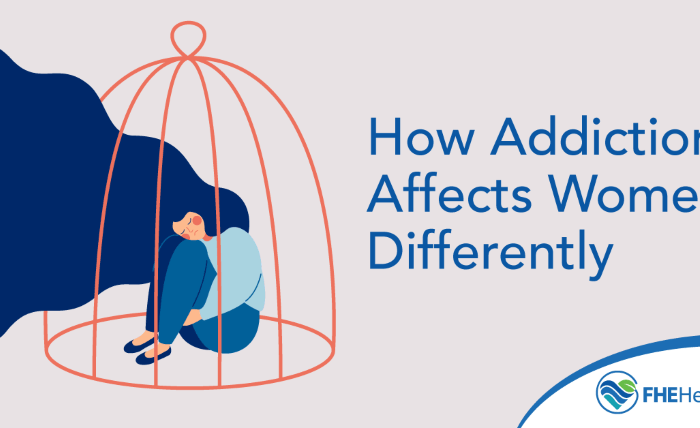
Women’s bodies process substances differently, and women’s lives are shaped by expectations that do not always leave room for rest or vulnerability. Caregiving roles, professional pressure, and emotional labor can all stack quietly until relief becomes a necessity rather than an option. Addiction in women is also more likely to be hidden, not because of secrecy, but because functioning is often non negotiable.
There is also the weight of shame, which tends to fall harder on women. The fear of being seen as unreliable or selfish keeps many women silent, even when they are struggling. This silence can be heavy, but it is not permanent. Understanding these differences matters, because recovery works best when it honors the full context of a woman’s life rather than trying to fit her into a generic model.
The Emotional Layer No One Sees
Addiction is rarely about the substance alone. For many women, it is tied to emotional regulation, soothing anxiety, dulling grief, or creating a sense of control when life feels unmanageable. This does not make the struggle weaker or less real. It makes it human.
Women are often taught to push through discomfort and to prioritize others. Over time, that can disconnect us from our own needs. Substances can become a way to self medicate feelings that never had space to be processed. Recognizing this layer can be freeing, because it reframes recovery as healing rather than punishment.
Finding Care That Fits Real Life
Support does not have to look one specific way, and it does not require uprooting your entire life unless that is what you need. Some women look for drug rehab in Corpus Christi, others search for drug rehab near it so they can stay connected to family and work. There are women who choose drug rehab in Miami for a change of environment, and others who feel drawn to drug rehab in Los Angeles for programs that integrate wellness, privacy, and flexibility.
What matters is finding care that respects your responsibilities, your body, and your pace. Women centered programs often address trauma, hormonal health, mental well being, and relationships alongside substance use. That integrated approach can make recovery feel less like stepping away from life and more like stepping back into it with support.
Reclaiming Agency Without Perfection
Recovery is not about becoming a different person. It is about coming back to yourself with more tools and more compassion. Women often expect transformation to be clean and linear, but real change tends to be messier and more honest. Progress can coexist with fear. Strength can show up alongside vulnerability.
Agency in this process means making informed choices, asking for help when needed, and allowing space for rest. It also means letting go of the idea that you must hit a dramatic low before you deserve care. You are allowed to choose health because you want more ease, more clarity, and more presence in your life.
Addiction does not erase your identity or your worth. For women, especially, it often grows out of resilience pushed too far without enough support. Choosing to address it is not a confession of weakness. It is an act of self respect. Healing is not about erasing the past, it is about building a future that feels steady, honest, and fully your own.