

Introduction
In the fast-paced construction industry, maintaining build quality is challenging. Tight timelines, budgets, and team coordination often lead to defects. Construction defect management software streamlines quality control by helping you identify and fix issues early. This article explores how the software can revolutionize projects, boost collaboration, and improve build quality.
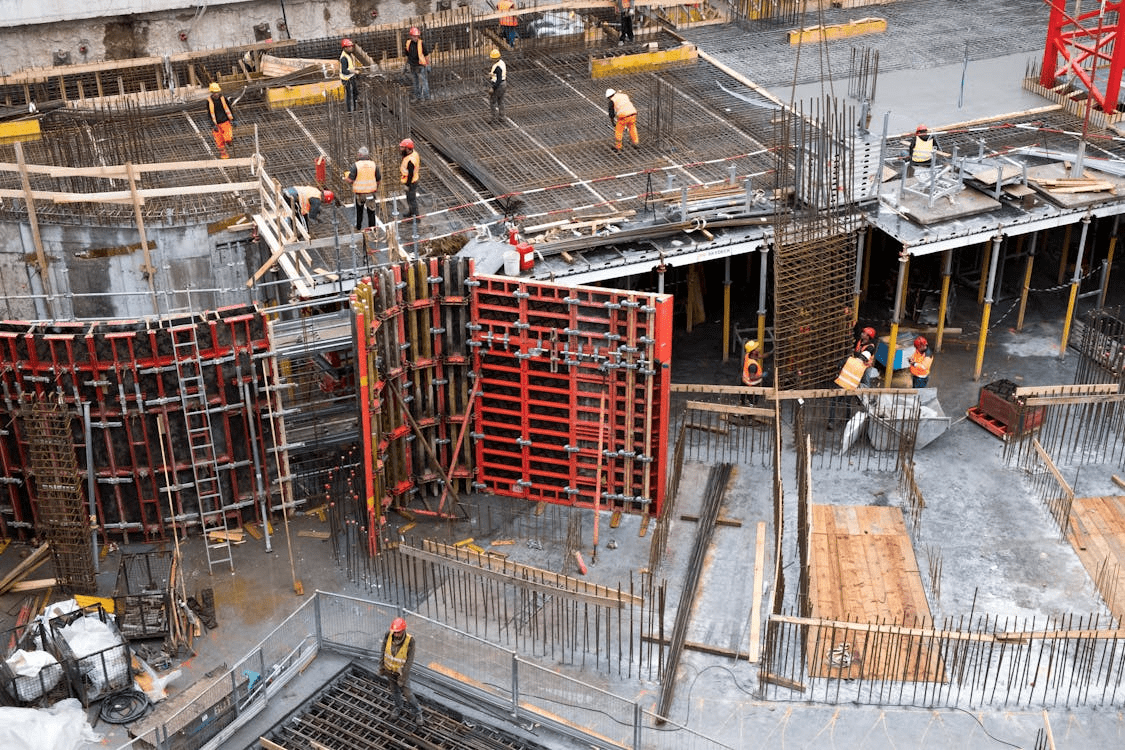
What is Construction Defect Management Software?
Construction defect management software is a digital platform that helps you identify, document, assign, and track defects throughout a construction project. It acts as an advanced, centralized version of a traditional punch list, replacing scattered emails and spreadsheets. Every issue—from minor scuffs to major structural problems—is logged and tracked until resolved.
This software is essential for modern construction management, providing project managers with organized defect lists and full visibility into quality control. By standardizing issue reporting and resolution, it streamlines workflows and raises the overall standard of work.
Core Features and Functions Explained
Quality control software streamlines daily tasks and boosts project efficiency by automating defect management. Instead of adding paperwork, it uses digital tools to organize workflows, letting teams focus on building.
Key features include:
- Mobile-First Design:Log issues with photos, descriptions, and due dates directly from your mobile device.
- Centralized Dashboard:Track all items in one place to monitor progress and flag overdue tasks.
- Automated Notifications:Keep everyone informed about assignments and updates.
- Customizable Checklists:Create templates for inspections, safety checks, and other quality tasks.
These tools enhance transparency and coordination, so every team member knows their responsibilities. The result: less rework, improved compliance with project specs, and greater clarity than traditional methods.
Differences Between Digital and Traditional Approaches
The move from traditional to digital defect management is a major advancement for construction. Traditional methods—paper checklists, spreadsheets, and email chains—are slow, error-prone, and lack real-time visibility. Retrieving past data is difficult, and teams often struggle with miscommunication.
Digital solutions centralize information, streamline communication, and enable real-time issue tracking. With construction management apps, teams can access project documents and updates from anywhere. This modern approach turns defect management into a proactive, organized process that improves project outcomes.
| Feature | Digital Defect Management | Traditional Methods |
| Speed | Real-time logging and instant notifications | Manual entry; communication delays |
| Accuracy | Photo evidence; time-stamped logs | Handwritten notes; risk of lost data |
| Transparency | Central dashboard for all stakeholders | Info siloed in emails and spreadsheets |
| Accessibility | Mobile access from the site | Only in-office or on paper |
Key Benefits of Using Construction Defect Management Software
Using construction defect management software delivers clear benefits for your projects and bottom line. It streamlines quality assurance and control, saving time and boosting effectiveness. Project managers gain a powerful tool to monitor progress and keep teams aligned with quality standards.
Key advantages include cost savings from reduced rework, better site communication, and improved build quality. Digitized workflows help teams identify and resolve issues quickly, keeping projects on schedule and within budget. Next, we’ll explore how this software improves collaboration and simplifies issue tracking.
Enhancing Communication and Collaboration Among Project Teams
Clear communication is a major challenge in construction projects. Defect management software solves this by creating a single source of truth, keeping all stakeholders—project managers, subcontractors, and others—on the same page. Features like digital defect lists provide full transparency, allowing authorized team members to track issues, view photos and notes, and see next steps in real time.
This easy access to information improves collaboration and speeds up problem-solving. As a result, teams maintain higher quality standards across the project, streamline workflows, and reduce headaches for project managers.
Streamlining Issue Tracking and Resolution for Fewer Errors
Quality management software streamlines defect handling from discovery to resolution, eliminating chaotic notes and emails. Its organized workflow reduces errors and boosts efficiency by:
- Instant Logging:Documenting defects with photos and descriptions as soon as they’re found.
- Clear Assignment:Assigning tasks with deadlines and priorities to the right team or person.
- Progress Tracking:Monitoring real-time status until completion.
This clarity improves quality assurance, allowing project managers to use analytics and historical data to spot recurring issues and prevent future problems. Transparent tracking minimizes rework and enhances overall project efficiency.
Essential Features to Look for in Construction Defect Management Software
When selecting construction defect management software, choose a tool that simplifies your workflow and meets the demands of fast-paced projects. Prioritize intuitive, collaborative platforms tailored to your quality control needs.
Essential features include mobile accessibility, customizable defect lists, and integration with other construction management tools. These ensure all stakeholders—from field to office—can actively participate in quality management. Here’s why these features are crucial for success.
Customizable Defect Lists and Mobile Accessibility
In modern construction, work happens beyond the desk—making mobile accessibility essential for management software. Teams need to create and update defect lists on-site using mobile devices, documenting issues in real time with photos and precise locations.
An app empowers everyone—from managers to subcontractors—to support quality assurance. Customizable defect lists let you tailor checklists and reports to your project’s needs, ensuring consistency. Team members can upload plans and link defects for clear context.
Mobile access and customization make quality control seamless and efficient, helping teams track progress accurately and resolve issues faster for better project outcomes.
Integration with Other Construction Management Tools
For maximum efficiency, your construction defect management software should integrate with other tools—not operate in isolation. Integration eliminates duplicate data entry, keeps information consistent, and streamlines workflows.
Key integration benefits include:
- Project Management Software:Sync tasks and due dates so defect resolution aligns with project schedules.
- Document Management Systems:Link defects to specs, plans, and RFIs for complete context.
- Analytics & Reporting Tools:Pull data to analyze performance and spot quality trends.
Integrated systems save time, reduce errors, improve stakeholder coordination, and deliver deeper insights—leading to lower costs and better project outcomes.
Impact of Construction Defect Management Software on Building Quality
Construction defect management software directly improves build quality by digitizing and standardizing quality control. It shifts teams from reactive problem-solving to proactive quality assurance, making quality a core part of daily operations.
For project managers, this technology offers greater visibility and control, leading to fewer defects, less rework, and projects that meet or exceed client expectations. Ultimately, quality control software drives excellence in modern project management.
Real-World Examples of Improved Build Outcomes
While every construction project is different, construction quality management software consistently delivers industry-wide benefits. Companies using these tools report real improvements in efficiency, safety, and build quality—results reflected in tangible success stories.
Examples include:
- A residential builder cut post-handover defect claims by 40% with a mobile app for real-time inspections.
- A commercial contractor saved thousands on rework by catching issues early.
- An infrastructure project boosted stakeholder satisfaction through transparent, real-time quality reports.
These cases show that defect management software is essential for any project manager focused on quality. It creates a more organized, accountable, and successful construction process from start to finish.
Measuring Success: Metrics and KPIs to Track Quality Improvements
To measure the value of your construction quality management software, track key performance indicators (KPIs) to quantify improvements and demonstrate ROI. Built-in analytics simplify data collection and progress monitoring against quality standards.
A data-driven approach allows you to refine quality control over time. Essential KPIs include:
- Number of Defects Logged:See trends by week or project phase.
- Average Time to Resolution:Monitor how quickly issues are resolved.
- Defect Density:Identify recurring problem areas or subcontractors.
- Cost of Rework:Track reductions in defect-related expenses.
Focusing on these metrics shows your technology investment’s impact and supports internal reviews, client reporting, and ongoing quality improvement across projects.
Conclusion
In conclusion, adopting construction defect management software significantly improves build quality. By streamlining communication and collaboration, it enables teams to resolve issues quickly and efficiently. Moving from traditional methods to digital solutions reduces errors and encourages accountability and continuous improvement. Investing in effective defect management tools delivers measurable quality gains. Ready to elevate your projects? Explore how our software can optimize your processes and drive success.