
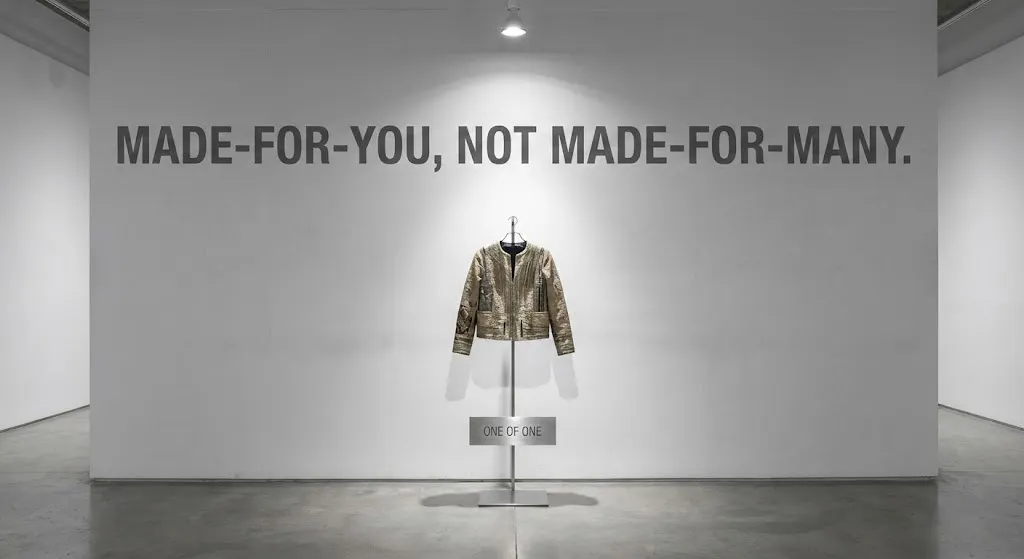
For decades, the fashion industry has focused heavily on size charts, promoting standards that often ignored the unique structure of individual bodies. Clothing was designed to fit measurements on a label rather than the contours, proportions, and natural shapes of real people. Recently, however, fashion conversations have shifted. Designers, brands, and influencers are beginning to celebrate body structure, highlighting how garments can complement each person’s unique frame rather than simply adhering to a number on a tag.
This change reflects a broader cultural movement toward inclusivity, self-expression, and body confidence. No longer are size charts the sole reference point for fit; instead, designers are considering shoulder width, torso length, hip-to-waist ratios, and other structural elements that make every individual distinctive.
Moving Beyond the Numbers
Traditional size charts often prioritize bust, waist, and hip measurements. While useful as a rough guide, they fail to account for how different bodies carry weight, posture, or limb length. For example, two individuals may both wear a size 8, yet one may have a longer torso and shorter legs while the other has broader shoulders and narrower hips. Garments designed strictly according to size charts can therefore look ill-fitting or uncomfortable on many bodies.
By emphasizing body structure, fashion now acknowledges that fit is not a one-size-fits-all concept. Designers are creating pieces with flexible cuts, adjustable features, and smart tailoring to adapt to the contours of real bodies. This approach not only enhances comfort but also boosts confidence, allowing people to embrace their natural shapes instead of trying to conform to unrealistic ideals.
Why Structure Matters
Focusing on body structure encourages a holistic understanding of personal style. Certain cuts, lines, and proportions flatter specific frames. For example:
- A high-waisted pant paired with a tailored top may elongate a shorter torso.
- Dresses with strategically placed seams can accentuate shoulders or conceal broader hips.
- Layered clothing can add balance to asymmetrical body shapes.
When fashion accounts for structure rather than just size, clothing can highlight strengths, camouflage areas people may feel self-conscious about, and offer a more personalized sense of style.
Inclusivity in Modern Fashion
This shift toward structural awareness also promotes inclusivity. People with different body types-pear-shaped, apple-shaped, rectangular, or hourglass, can now find clothing that fits and flatters rather than forcing themselves into limited sizing categories. Brands are increasingly using models with diverse body structures to demonstrate how garments adapt to real shapes, moving away from the historically narrow representation of idealized forms.
Moreover, consumers are starting to demand transparency about cuts and fit details. Many online retailers now include information about shoulder width, torso length, and model body structure to help shoppers make informed choices. This empowers people to select clothing that suits their unique proportions rather than relying solely on a generalized size number.
The Role of Technology
Technology has also played a crucial role in this evolution. 3D body scanning, virtual fitting rooms, and AI-driven sizing recommendations allow fashion brands to create garments that cater to diverse structures. Customers can see how different pieces will look on their own frames, making shopping more efficient and reducing returns caused by poor fit.
These innovations are particularly transformative for people whose bodies do not conform to conventional size charts. By considering structure alongside measurements, fashion becomes more inclusive, practical, and celebratory of individuality.
Redefining Beauty Standards
The conversation around body structure over size charts also challenges traditional beauty standards. Fashion is no longer about making everyone fit a single mold but about embracing diversity. People are encouraged to celebrate their natural proportions and wear clothing that enhances their unique forms. This movement extends beyond clothing; it influences broader discussions about body confidence, self-expression, and wellness.
Interestingly, professionals in related fields, like cosmetic and reconstructive care, are noting this cultural shift as well. For instance, a plastic surgeon in Montreal might emphasize procedures that enhance natural body proportions rather than dramatically altering size, reflecting the same principles now gaining traction in fashion: celebrating structure over arbitrary numbers.
As this movement continues, shoppers can expect a broader range of options that respect their unique frames and celebrate diversity, ultimately transforming fashion from a numbers game into an art of understanding the human form.