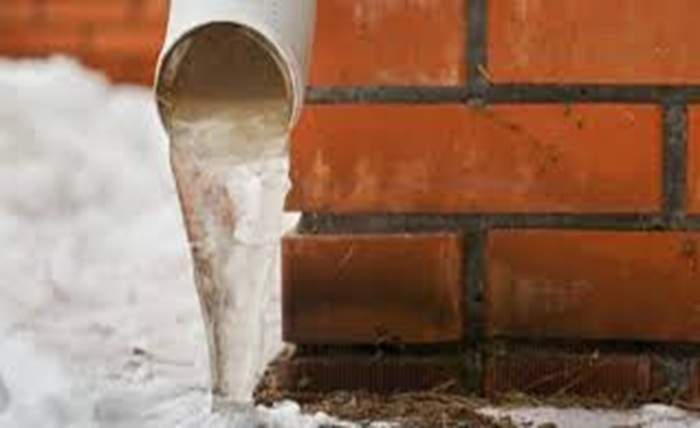
Winter in Toronto can be harsh, with nighttime temperatures often dropping well below freezing. One of the most common problems homeowners face during these months is frozen pipes. Water expands when it freezes, putting enormous pressure on the walls of your plumbing system. If left unchecked, this can lead to cracks or even a full pipe burst, resulting in water damage, costly repairs, and disrupted daily life. Understanding why pipes freeze overnight and knowing the steps you can take immediately is key to protecting your home. In more severe cases, contacting a licensed plumber can prevent further damage and ensure long-term safety.
Why Pipes Freeze Overnight
Pipes are particularly vulnerable during the coldest hours of the night because this is when temperatures typically reach their lowest point. Water inside stationary pipes freezes more quickly, and frozen water expands, putting pressure on the pipe walls. Several factors make pipes susceptible:
- Poor Insulation – Pipes located in unheated areas like basements, garages, attics, or crawl spaces are at the highest risk.
- Exposed Exterior Pipes – Pipes that run along exterior walls or near windows can freeze faster than those located inside heated spaces.
- Drafts and Gaps – Cold air entering through cracks, gaps, or unsealed windows and doors can lower surrounding pipe temperatures significantly.
- Low Water Flow – Standing water in pipes is far more likely to freeze than moving water. When water isn’t running regularly, the risk increases overnight.
Knowing these risk factors allows homeowners to focus preventive efforts where they are most needed, ensuring pipes remain safe during winter nights.
Immediate Steps to Protect Your Pipes
If you suspect your pipes are at risk tonight, there are several practical steps you can take to prevent freezing:
- Keep Water Flowing – Allow faucets to drip slightly. Moving water resists freezing, reducing the likelihood of pipe damage.
- Open Cabinet Doors – This allows warm air from the home to circulate around pipes under sinks or near exterior walls.
- Seal Drafts – Use weather stripping, towels, or foam insulation to block cold air around doors, windows, and other openings near pipes.
- Apply Gentle Heat – For pipes showing early signs of freezing, you can use a hairdryer or heating pad to warm them slowly. Never use an open flame, as this is dangerous and can damage pipes.
- Increase Indoor Temperature – Keep your home warm overnight, especially rooms with exposed pipes, to help maintain water in a liquid state.
Taking these steps early can prevent frozen pipes and the potentially catastrophic consequences of a burst.
When to Call a Plumber
Sometimes, despite your best efforts, pipes freeze or show signs of cracking. In such situations, it’s critical to call a licensed professional immediately. For residents of Ontario, a skilled plumber Toronto can help homeowners with safely thaw frozen pipes, inspect the system for hidden damage, and implement solutions to prevent future issues.
Professionals use specialized tools to thaw pipes without causing additional damage, and they can advise on permanent fixes, such as relocating pipes away from unheated areas, adding insulation, or installing heating tape on vulnerable pipes. Acting quickly can prevent minor freezing from escalating into a burst pipe emergency.
Long-Term Prevention Tips
To avoid repeated pipe freezes each winter, consider these preventive measures:
- Insulate Vulnerable Pipes – Use foam pipe insulation or heat tape on pipes in unheated areas.
- Seal Openings – Close gaps around windows, doors, and exterior walls where cold air can reach your plumbing.
- Maintain Indoor Heat – Even when away, keep your thermostat at a safe temperature, typically above 12°C (54°F).
- Install Smart Water Monitors – Some systems alert homeowners when temperatures drop dangerously low, allowing preventative action before pipes freeze.
- Regular Plumbing Checks – Schedule annual inspections with a trusted plumber to ensure pipes, valves, and water systems are in good condition.
Frozen pipes overnight are a winter hazard, but they don’t have to lead to expensive repairs or extensive water damage. Recognizing the risk factors, taking immediate action, and implementing long-term preventative strategies can protect your home and give you peace of mind.