
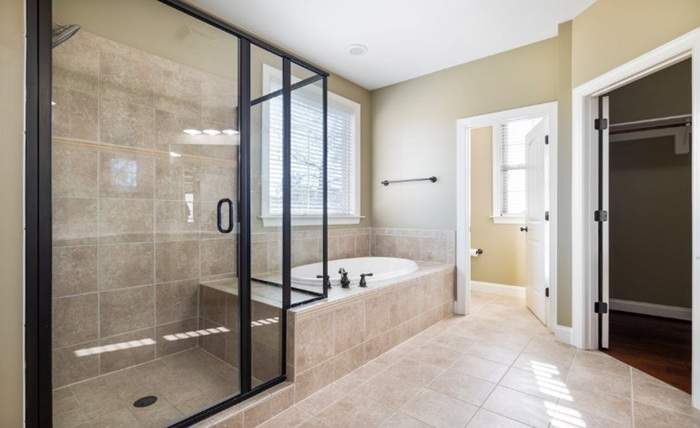
The bathroom plays a bigger role in your home than most people realize. It affects how comfortably you start and end each day, and it heavily influences resale value when it is time to sell. Real estate data consistently shows that updated bathrooms attract stronger offers and faster sales. Buyers pay close attention to layout, finishes, and functionality. For homeowners planning a renovation, one of the most important decisions is choosing between a traditional bathtub and a walk-in shower.
In many modern remodels, homeowners lean toward streamlined shower designs, especially when working with experienced installers who understand proper waterproofing and drainage. In regions where bathroom upgrades remain a top home improvement investment, making the right structural decisions early can prevent expensive mistakes later. Before comparing features and costs, it is essential to examine how your current space is built and what changes are realistically feasible.
Assessing Your Bathroom Layout and Structural Limitations
Start by clearly evaluating your bathroom’s existing footprint. Measure the available floor space, note where plumbing lines sit, and consider how doors and vanities affect movement. Removing a bulky tub can open up valuable square footage, but shifting drains or water supply lines may require more extensive work than expected. Ventilation and wall support also influence what type of shower enclosure or tub installation will function properly in the long run.
Many homeowners feel tempted to handle parts of this process themselves. Painting or swapping fixtures can be manageable. Structural plumbing and waterproofing are different. Improper installation can lead to hidden leaks, subfloor damage, and mold growth that takes years to detect. If you are looking for the best shower replacement company, look for professionals with a proven track record of providing reliable service.
The Space-Saving Benefits of Walk-In Showers
Walk-in showers make a noticeable difference in smaller bathrooms. By removing the high walls and bulky framing of a traditional tub, you instantly create a more open feel. Frameless glass panels allow light to flow across the room, visually expanding tight spaces. Corner installations or alcove conversions can also free up room for additional storage or a larger vanity. The layout becomes easier to navigate, especially in homes where multiple people share the same bathroom.
Beyond square footage, walk-in showers add a clean, modern look. Large tiles with minimal grout lines create a streamlined finish that feels intentional and organized. Without the visual interruption of a tub edge, the room appears more cohesive. Homeowners who prefer simple, uncluttered design often appreciate how a shower-focused layout improves both function and style without overwhelming the space.
Accessibility and Universal Design
Accessibility should play a central role in any bathroom renovation. Traditional tubs require stepping over a high edge, which can become difficult over time. A low-threshold or curbless shower reduces the risk of slips and falls while making daily routines more comfortable. Non-slip flooring and strategically placed grab bars can further improve safety without sacrificing appearance. These upgrades benefit not only older adults but also children and anyone recovering from injury.
Universal design focuses on long-term usability. Built-in seating provides stability and comfort, especially during longer showers. Adjustable handheld showerheads make it easier to accommodate different heights and mobility levels. Planning for these features now can help homeowners age in place without needing another costly remodel later. A well-designed shower supports independence, convenience, and lasting value.
The Resale Value Debate: Does Every Home Need a Tub?
Resale value often influences whether homeowners keep or remove a bathtub. Many buyers with young children prefer at least one tub in the home for practicality. If you only have one full bathroom, removing the tub could limit your buyer pool. It is important to review neighborhood trends and comparable listings before making a final decision. What works in one market may not work in another.
That said, in homes with multiple bathrooms, converting a rarely used tub into a walk-in shower can increase appeal. Primary suites, in particular, tend to benefit from spacious showers with updated finishes. Buyers often view them as a modern upgrade. The key is balance. Retain a tub where it makes sense, but do not feel obligated to keep one in every bathroom if it no longer fits your lifestyle.
Maintenance and Cleaning: Glass Enclosures vs. Acrylic Tubs
Maintenance should factor into your decision. Traditional acrylic or fiberglass tubs are generally easy to wipe down, but they can scratch or discolor over time. Porcelain tubs are durable, but they may chip if heavy objects are dropped onto the surface. Tile surrounds require grout cleaning and periodic sealing, which adds to routine upkeep.
Walk-in showers, especially those with glass enclosures, require consistent cleaning to prevent water spots and mineral buildup. Frameless glass looks sleek, but it shows water spots quickly in hard-water areas. Choosing high-quality materials, such as solid-surface wall panels or stain-resistant grout, can reduce long-term maintenance. Think about how much time you realistically want to spend cleaning before committing to a design.
Water Efficiency and Environmental Impact
Water usage differs between showers and baths. A standard bathtub can use a significant amount of water when filled. In contrast, a short shower with a low-flow showerhead often uses less water. However, long showers can erase that advantage. Being mindful of habits matters just as much as fixture choice.
Modern plumbing fixtures make conservation easier. Low-flow showerheads maintain good pressure while reducing water consumption. Some models include pause features that limit waste while you lather. Energy-efficient water heaters also lower utility costs over time. If sustainability ranks high on your priority list, a thoughtfully designed shower may offer a practical edge.
Luxury Features and Cost Analysis
Cost varies widely depending on materials and scope. Prefabricated tub and shower units typically cost less than custom tile installations. Moving plumbing lines or altering the layout quickly increases labor costs. Frameless glass doors, premium tile, and built-in niches add visual impact but also raise the budget. Planning early helps you avoid surprises.
On the other hand, many homeowners value the comfort upgrades that come with modern showers. Rainfall showerheads, built-in benches, and recessed storage enhance daily use. Some even opt for body jets or steam features. These additions transform the experience, but they require proper installation and waterproofing. It is wise to prioritize structural quality before allocating funds to aesthetic upgrades.