It’s not just about the hunt. It’s the early mornings, the quiet stretches, the time spent sitting around camp after a long day. The kind of trip where things slow down a bit.
But if you don’t plan it right, it can go sideways fast. Missing gear, bad setup, wrong location – just some of the problems you could be dealing with if you ignore this part.
And once you’re out there, fixing things isn’t always easy.
If you’re heading out with your crew, read this guide first. It breaks down what actually helps, so the trip feels smooth once you’re out there.
Pick a Spot That Matches Your Crew
Where you go sets the tone for everything. If the location doesn’t match your crew, the trip feels off from the start. Some places demand more experience. Rough terrain, longer hikes, tougher conditions. Others are easier to handle and better for a more relaxed setup.
So think about your group first. Are you all used to this? Or do you want something that doesn’t push things too far? There’s no point picking a spot that looks great on paper but turns into a struggle once you’re there.
And what about access? How far do you need to go? How easy is it to reach your camp? These details shape how the trip feels before it even begins.
Get this part right, and the rest of the plan becomes easier to manage.
Get the Right Tents Before Anything Else
A bad tent makes itself known pretty quickly.
You feel it at night. You notice it when the weather shifts. And once it starts causing problems, it affects everything else.
That’s why this isn’t something to rush.
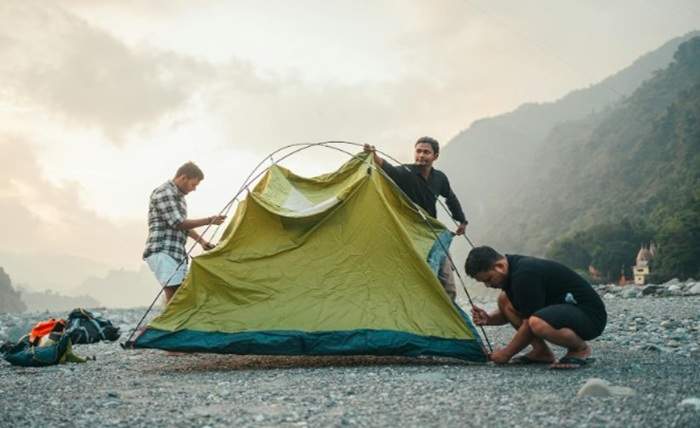
Go for hunting tents built for real conditions. Strong material, solid frame, something that holds up when the wind picks up, or rain comes through. You don’t want to be fixing issues when you should be resting.
Space matters more than people expect. You need room to sleep, but also to keep gear organized and dry. If everything feels cramped, it gets frustrating fast.
Ventilation helps too. Without it, moisture builds inside overnight. You wake up to damp air, and it makes things uncomfortable before the day even starts.
And keep the setup simple.
After a long day, the last thing you want is to struggle with your own shelter. A tent that goes up quickly saves time and energy.
Pack Smart, Not Just More
Packing can go wrong in two ways. You either forget something important, or you bring too much.
Both create problems. Start with a clear list. Go through what you actually need. Clothing for changing conditions, gear that serves a purpose, tools you know you’ll use.
Then cut the extras. If something doesn’t have a clear use, it probably stays behind. Carrying unnecessary weight slows you down and makes setup harder.
But don’t cut too much either.
Forgetting essentials turns into a bigger issue once you’re out there. There’s no quick fix for that.
Packing smart means finding that balance. Enough to stay prepared, not so much that it becomes a burden.
Plan for Weather That Won’t Stay the Same
Conditions rarely stay steady in the wild. A clear morning can shift by afternoon. Warm weather can drop quickly once the sun goes down. If you only plan for one scenario, you’ll feel it when things change.
So plan for variation.
Layered clothing works best. You adjust as needed instead of being stuck with one option. Add rain protection even if the forecast looks fine. It’s better to have it and not need it.
Think ahead, but stay realistic. You don’t need to prepare for extremes. Just be ready for shifts.
Set Roles So Things Don’t Get Messy
Group trips can get disorganized fast. Not because people don’t want to help, but because everyone assumes someone else is handling things.
Keep roles simple. Someone keeps track of navigation. Someone handles food planning. Someone checks the gear before heading out. It doesn’t need to be formal, just clear.
When everyone knows their part, things move more smoothly.
No last-minute confusion, no gaps in preparation, no wasted time figuring things out on the spot.
It keeps the trip steady.
Keep Food Simple and Filling
Food out there serves one purpose. It keeps you going.
You don’t need variety or complicated meals. In fact, the more complex it gets, the harder it is to manage. Prep takes longer, cleanup takes effort, and it slows everything down.
Stick to simple options. Meals you can cook quickly or eat without much setup. Things that hold up well and give you enough energy for the day. Protein, easy carbs, and something warm if the weather drops.
Plan just enough. Too little, and you feel it by the second day. Too much, and you’re carrying extra weight you don’t need.
Keep it practical, and it works.
Choose a Camp Spot That Works With You
Camp isn’t just where you sleep. It’s where you reset.
Pick the wrong spot, and you feel it immediately. Uneven ground, too much exposure, or a location that’s far from where you need to be.
Look for balance.
Flat ground makes setup easier. Some natural cover helps with wind. Being close enough to your hunting area saves time and energy each day.
Avoid low spots. If rain comes in, water collects there fast. It turns a small issue into a bigger one overnight.
A good camp spot doesn’t stand out. It just works. And that’s exactly what you want.
Stay Aware and Keep Safety Simple
You don’t need a long list of rules, just awareness.
Know where your group is. Communicate clearly. Keep track of what’s happening around you. Most problems come from small lapses, not big mistakes.
Handle equipment properly. Stay alert, especially in changing conditions. If something feels off, address it early.
Once you’re there with a plan, everything seems easier. You’ve done what you needed to. The gear’s right, the setup works, the group’s in sync. After that, it’s not about following steps anymore.
It’s about being out there. The quiet, the pace, the time that doesn’t feel rushed. That’s what you came for in the first place.
And if you set things up right, you don’t have to chase that part; it just shows up on its own.