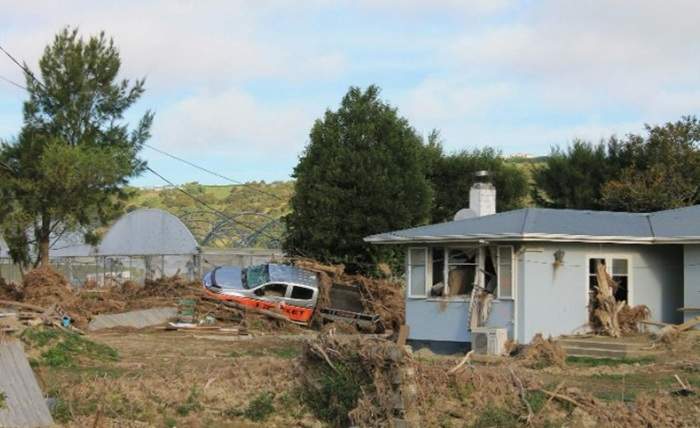
A disaster can change the condition of your home in a matter of minutes. Storms, floods, fires, and earthquakes leave behind damage that feels overwhelming at first glance. Clear priorities help you move forward with confidence instead of confusion.
Immediate safety checks, moisture control, documentation, cleanup, and system inspections form the foundation of effective recovery. Each step supports the next, creating a steady path from emergency response to meaningful restoration. A structured approach protects your investment and reduces long-term complications.
Immediate Safety and Damage Assessment
Safety remains the top concern once the immediate danger has passed. Structural instability, exposed wiring, broken gas lines, and contaminated water can pose serious risks. A careful exterior inspection should come before stepping inside. Look for foundation cracks, roof damage, and leaning walls that signal deeper issues.
Interior checks require equal caution. Sagging ceilings, warped floors, and shattered glass indicate areas that need attention. Power should remain off until a qualified electrician confirms that the system is safe. Protective gear, such as gloves and sturdy footwear, reduces the risk of injury during inspection.
Water Damage Control and Drying Strategy
Water damage spreads quickly and reaches far beyond what the eye can see. Moisture moves into walls, insulation, and subflooring, weakening structural components over time. Immediate removal of standing water reduces long-term deterioration and limits the risk of secondary damage.
Effective recovery often requires professional expertise. Hidden moisture, structural saturation, and contamination call for trained assessment and specialized equipment. Attempting to handle extensive water damage without proper tools can leave damp areas untreated, which increases the likelihood of structural weakening and air quality concerns. Professional restoration specialists use water extraction techniques to pull moisture from carpets, subfloors, and other porous materials. This targeted approach addresses hidden saturation that can compromise structural integrity if left untreated.
Insurance Documentation and Claims Process
Clear documentation strengthens your ability to recover financially. Photographs and videos should capture every affected area before significant cleanup begins. Detailed images create a reliable record that supports your claim.
Itemized lists of damaged belongings provide additional clarity. Include descriptions, estimated values, and purchase dates when possible. Receipts for temporary repairs, hotel stays, and emergency services should be organized in a dedicated folder.
Prompt communication with your insurance provider helps prevent delays. Adjusters rely on accurate information to assess coverage and determine compensation. Keeping written records of conversations adds another layer of protection. A systematic approach to documentation reduces stress during an already challenging time.
Debris Removal and Structural Cleanup
Cleanup restores order and prepares the property for rebuilding. Damaged drywall, insulation, flooring, and furniture often need removal to eliminate contamination. Floodwater can carry bacteria and harmful residues that linger long after surfaces appear dry.
Safe disposal methods follow local regulations to protect both occupants and the environment. Protective equipment remains essential throughout this phase. Sanitizing exposed surfaces helps eliminate remaining contaminants and improves overall safety. A clean structure reveals the true scope of damage and creates a stable base for repairs. Clear workspaces also allow contractors to operate efficiently. Organized debris removal supports a smoother transition into reconstruction.
Electrical, Plumbing, and HVAC Inspection
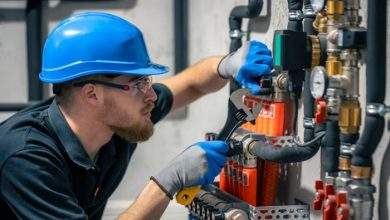
Critical systems must be evaluated before normal living conditions resume. Electrical wiring exposed to moisture may corrode or short-circuit. Licensed electricians can test circuits, outlets, and panels to confirm reliability.
Plumbing systems may suffer hidden cracks or blockages after flooding or ground movement. Water pressure tests and camera inspections identify leaks that could cause future problems. Heating and cooling systems require cleaning and professional assessment to prevent contaminated air from circulating indoors. Functional utilities restore comfort and safety. Careful inspection of these systems ensures that the home operates efficiently once repairs are complete. Reliable infrastructure supports long-term resilience and helps prevent recurring damage.
Mold Prevention and Indoor Air Quality
Moisture left behind after a disaster creates conditions that encourage mold growth. Spores can begin spreading within days when humidity levels remain high. Careful moisture control remains essential even after visible water has been removed.
Consistent ventilation supports steady airflow throughout the home. Dehumidifiers help maintain balanced humidity levels while air scrubbers capture airborne particles. Professional testing may be necessary if musty odors persist or residents experience respiratory irritation. Targeted antimicrobial treatments can reduce the risk of surface contamination. Regular follow-up inspections in the weeks after cleanup provide added reassurance. A proactive approach protects both the structure and the health of those living inside it.
Repair Planning and Contractor Selection
Restoration efforts shift toward rebuilding once the property is dry and structurally stable. Clear repair plans prevent confusion and keep projects on schedule. Written estimates outline material costs, labor requirements, and projected timelines.
Reputable contractors carry proper licensing and insurance. References and documented experience with disaster recovery projects add another layer of confidence. Transparent communication about expectations, budgets, and deadlines reduces misunderstandings. Detailed contracts define the scope of work and payment structure. Scheduled progress updates keep homeowners informed throughout the process. Careful planning transforms a stressful situation into a manageable reconstruction effort.
Long-Term Property Protection Measures
Recovery presents an opportunity to strengthen the home against future disasters. Reinforced roofing materials and upgraded window systems improve resistance to severe weather. Improved drainage systems help direct water away from foundations.
Sealing cracks and reinforcing vulnerable entry points reduces exposure to wind and water intrusion. Elevated electrical components and appliances provide added protection in flood-prone areas. Regular maintenance inspections support early detection of wear and potential weaknesses. Preparedness plans should include emergency supply kits and clear evacuation routes. Preventive upgrades reduce risk and increase long-term resilience. Stronger safeguards provide peace of mind long after repairs are complete.
Post-disaster recovery requires steady action and thoughtful planning. Safety assessments, moisture control, documentation, cleanup, and system inspections create a clear path forward. Mold prevention, structured rebuilding, and protective upgrades extend the value of those early efforts.
Every step contributes to restoring stability and preserving long-term property value. Organized recovery reduces uncertainty and supports informed decision-making. A resilient home begins with careful restoration and continues with proactive protection.