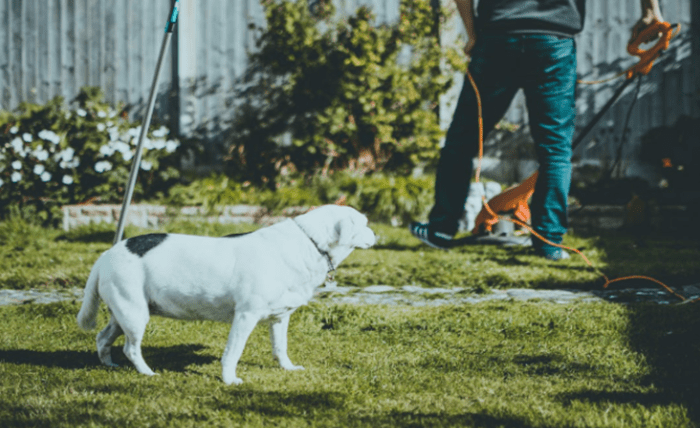
If you live in Florida and have a dog, you’ve likely noticed how quickly a healthy lawn can turn into a patchy mess. Between the intense heat, heavy rain, and constant pet activity, grass doesn’t get much of a break. Areas where your dog runs or relieves itself often become thin, yellow, or even bare within weeks. Many homeowners try watering more or mowing differently, but the problem keeps coming back. The truth is, a pet-friendly lawn needs a different approach from the start. You need to understand how pets affect your yard and adjust how you care for it. With the right strategy, you can keep your lawn green, strong, and safe for everyday use.
While durable grass varieties like tall fescue or Kentucky bluegrass offer a resilient surface for pets to roam, constant activity in high-traffic areas can eventually lead to thinning patches or stubborn mud pits. Integrating thoughtful structural elements into your backyard design can provide much-needed relief to your lawn by redirecting energy away from vulnerable sections. Homeowners often find that they can explore local hardscaping companies near me to find creative solutions such as stone pathways or designated gravel zones that harmonize with the existing landscape. These permanent installations not only protect the roots of your grass from heavy paw traffic but also minimize the amount of debris tracked into your home after playtime.
Picking Grass That Can Handle Pets
Not all grass types respond the same way to pet activity. Some recover quickly, while others stay damaged for longer. In Florida, St. Augustine and Zoysia are common choices, but they behave differently under stress. St. Augustine grows fast and fills in bare spots, which helps when damage happens often. Zoysia is denser and handles foot traffic better, but it can take longer to repair once worn down.
Once you decide on a grass type, the next step is how you install it. Seeding can take time and often struggles in heat, especially in yards with pets. That’s why many homeowners choose sod instead. Many homeowners find that locally grown sod in Florida performs better because it is already adapted to the local soil and weather, making it easier to establish and maintain.
Designing a Yard That Works for Dogs
A pet-friendly yard should guide your dog’s behavior instead of trying to control it completely. Dogs tend to follow the same routes and use the same spots, so it makes sense to design around those habits. Create a clear path where your dog runs most often and reinforce it with stronger grass or a different surface like mulch. Set aside a specific bathroom area and keep it consistent. This reduces damage across the rest of the lawn. Open spaces without structure often lead to random wear and tear, which is harder to fix. A simple layout can make your lawn easier to manage and keep it looking even.
Training Your Dog to Protect the Grass
Training plays a bigger role in lawn care than most people expect. When dogs learn where to go and where not to go, it reduces random damage across the yard. Start by guiding your dog to a specific bathroom area every time. Stay consistent and reward them when they use that spot. Over time, this becomes a habit. You can also limit access to certain areas during recovery periods. This helps grass grow back without interruption. Training does not need to be complicated, but it does need to be consistent. A few small changes in routine can save you from dealing with constant lawn repairs later.
Stopping Urine Spots Before They Spread
Urine spots are easier to manage when you act quickly. When you notice your dog using the same area, rinse it with water soon after. This helps dilute the concentration before it damages the grass. If spots have already formed, remove the dead grass and loosen the soil underneath. This allows new growth to take hold. Ignoring these areas often leads to larger patches that are harder to fix. It also helps to rotate where your dog goes when possible, so one section does not take all the stress. Staying ahead of the problem keeps your lawn looking even and reduces the need for major repairs.
Watering in a Way That Builds Strength
Watering can either strengthen your lawn or slowly weaken it. Many homeowners water too often, which keeps the soil constantly wet and prevents roots from growing deep. Shallow roots make grass easier to damage when pets run across it. Instead, water less frequently but more deeply so moisture reaches the root zone. Early morning is the best time because it reduces evaporation and allows the grass to dry during the day. Avoid watering in the evening, as damp grass overnight can lead to disease. Pay extra attention to high-use areas. These spots may need slightly more water, but only enough to support recovery, not to keep the soil soaked.
Mowing for Durability, Not Just Looks
How you mow your lawn has a direct impact on how well it handles pets. Cutting grass too short weakens it and exposes the soil, making it easier for damage to occur. Keeping grass slightly taller helps shade the soil and supports deeper roots. This makes the lawn more resilient when pets run or play. Use sharp mower blades to avoid tearing the grass, which can stress it further. Stick to a regular mowing schedule but avoid cutting more than one-third of the blade height at a time. A well-maintained mowing routine helps your lawn stay thick, which naturally protects it from wear.
Choosing Safe Products for Pets and Grass
Many lawn products contain chemicals that can harm pets if used incorrectly. Fertilizers, weed killers, and pest treatments often leave residues that dogs can absorb through their paws or ingest while licking. Look for products labeled as pet-safe and follow all instructions carefully. Apply treatments when your pet can stay off the lawn for a short period, even if the product claims to be safe. Natural options, such as compost-based fertilizers, can support growth without adding unnecessary risk. Healthy grass does not need heavy chemical use when the basics are done right. Keeping your lawn safe ensures your pets can enjoy the space without exposure to harmful substances.
Keeping High-Traffic Areas Looking Fresh
Some parts of your lawn will always get more use than others. Entry points, fence lines, and play areas tend to wear down faster because dogs return to them often. Instead of trying to keep these areas perfect, plan for regular maintenance. Check these spots every few weeks and fix early signs of thinning before they turn into bare patches. You can overseed or replace small sections as needed to keep the lawn even. Rotating play areas can also reduce constant pressure on one spot. Staying proactive helps you avoid larger repairs and keeps your yard looking consistent throughout the year.
A pet-friendly lawn requires a practical approach, not guesswork. The combination of heat, humidity, and daily pet activity can quickly damage grass if you rely on basic care alone. When you choose the right grass, improve your soil, and guide how your pet uses the yard, you create a system that works long term. Simple habits like watering properly, mowing at the right height, and fixing small issues early make a noticeable difference. You do not need a perfect lawn, but you do need a plan. With steady care and a few smart adjustments, you can maintain a yard that stays green, durable, and ready for everyday use.