
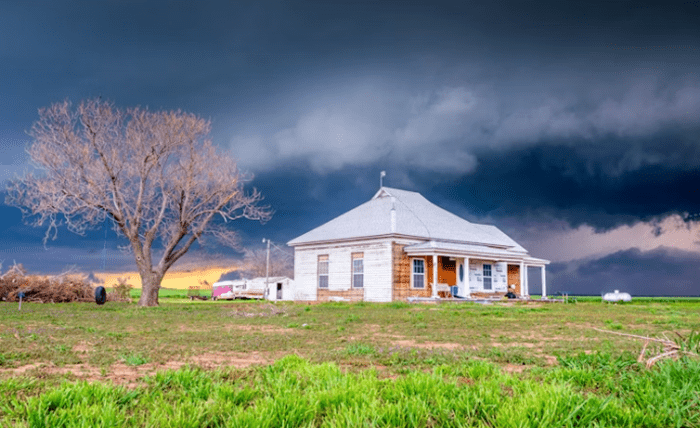
Storm season in Tampa doesn’t ease in quietly. One week, the weather feels normal, and the next, you’re watching forecasts closely and hoping your home holds up. Many homeowners assume they’re prepared because nothing has gone wrong yet. The problem is that storm damage often comes from small issues that go unnoticed until it’s too late. A loose shingle, a weak seal, or an old window can quickly turn into a costly repair. This guide focuses on what actually matters when preparing your home. It walks you through practical checks you can do yourself, so you can fix problems early instead of dealing with damage after the storm passes.
Making Sure Your Windows Can Handle Pressure
Windows often fail before other parts of the home because they face direct wind and debris. Start by checking how they feel when you open and close them. If they stick, rattle, or don’t seal tightly, that’s a problem. Look at the edges of the frame and the glass itself. Even small cracks or worn seals can allow water to enter under pressure. You should also check for drafts on windy days, since that points to poor sealing.
If your current windows show signs of wear, it may be worth considering an upgrade. New impact windows are specifically built to handle extreme weather, using reinforced glass and durable framing to resist strong winds and debris. They also offer added benefits like improved energy efficiency and noise reduction, making them a smart long-term investment. With professionals like the ones at Storm Pro Window and Door Tampa residents can choose high-quality impact-resistant options that provide reliable protection without the need for temporary coverings.
Testing Doors for Strength and Fit
Exterior doors need to close firmly and stay that way under pressure. Open and close each door slowly and pay attention to how it lines up with the frame. If it shifts, sticks, or leaves a visible gap, it won’t hold up well in strong winds. Check the hinges and locks to make sure they feel solid. A loose hinge can weaken the entire door. Weatherstripping around the edges should be intact and not worn down. If you can see light coming through, air and water can get in during a storm. Garage doors need extra attention because they cover a large opening and often fail first.
Checking Your Roof Before It Fails
Your roof takes the most direct hit during a storm, so it needs close attention. You don’t need to climb up if it’s not safe, but you can still spot problems from the ground or with a ladder. Look for shingles that appear uneven, curled, or missing. These are clear signs that the roof has weak spots. Also check the edges where the roof meets walls or chimneys. Flashing in these areas should sit flat and secure. If it looks lifted or rusted, water can get underneath. Gutters should stay firmly attached and free of debris. A clogged gutter can push water back onto the roof and into your home during heavy rain.
Cleaning Up and Securing Your Yard
Your yard can quickly become a source of damage if it’s not prepared. Walk through and look for anything that could move in strong winds. Patio furniture, planters, and decorations should either be secured or brought inside. Even items that feel heavy can shift when the wind picks up. Check trees and shrubs near your home. Trim branches that hang over the roof or close to windows. Dead or weak branches are more likely to break off. Look at fences and gates as well. Loose panels can detach and cause damage. Taking time to secure your yard reduces the risk of debris hitting your home during a storm.
Managing Water Flow Around Your Foundation
Water damage often starts at ground level, not from the roof. Walk around your home after a normal rain and notice where water collects. If you see puddles near the foundation, that’s a problem worth fixing. Gutters should move water away from the house through downspouts that extend a few feet out. If they dump water right at the base, moisture can seep into walls or weaken the foundation over time. Check that the soil slopes away from your home instead of toward it. Even a slight slope in the wrong direction can lead to issues during heavy rain. Fixing drainage now helps prevent flooding, mold, and long-term structural damage later.
Sealing Gaps Before Wind Finds Them
Small gaps may not seem urgent, but wind and rain will find them quickly during a storm. Walk around doors, windows, vents, and any place where pipes or wires enter the home. Look closely at the caulking and seals. If you see cracks, peeling, or missing sections, it’s time to replace them. Use a good exterior-grade sealant and apply it evenly to close those gaps. Weatherstripping around doors should feel soft and intact, not brittle or flattened. When seals wear out, they allow water to get pushed inside under pressure. Taking an hour to reseal problem areas can prevent leaks that are harder and more expensive to fix later.
Planning for Power Outages That Last
Storms often bring power outages that can stretch longer than expected. You don’t need an elaborate setup, but you do need a plan. Decide how you will handle basic needs like lighting, charging devices, and keeping food safe. If you use a generator, test it before storm season starts. Make sure you have fuel stored safely and know how to operate it. Keep flashlights, batteries, and portable chargers in one place so you’re not searching for them in the dark. Avoid relying only on your phone for light or communication. A simple, prepared setup makes outages easier to manage and reduces stress during a storm.
Setting Up a Safe Space Inside Your Home
Every home should have a spot where you can stay during the worst part of a storm. Choose a room away from windows, preferably on the lowest level of your home. Interior rooms like hallways, closets, or bathrooms often work well. The goal is to stay clear of glass and exterior walls as much as possible. Keep basic supplies in this area, including water, snacks, a flashlight, and a first aid kit. Make sure everyone in your household knows where this space is and how to get there quickly. You don’t want confusion when conditions worsen. A planned safe space helps you stay focused and protected when the storm hits.
Preparing your home for a storm doesn’t require guesswork. It comes down to paying attention to details that many people overlook. A loose seal, a weak door, or poor drainage can cause more trouble than you expect once strong winds and heavy rain arrive. Local homeowners deal with these conditions every year, so it makes sense to stay ahead of them. Go through this checklist step by step and handle what you can now. Even small improvements add up. The goal is to reduce risk and avoid last-minute stress. When the next storm shows up, you’ll feel more confident knowing your home is ready.