Someone always leaves the cabinet under the sink slightly damp without saying anything. It gets noticed once, wiped down, and then quietly forgotten. After a few weeks it just becomes part of the house — one of those things that blends in without ever really being dealt with.
That is how most first-time homeownership works. Not dramatic. Just a slow accumulation of things you did not quite expect, decisions that felt fine at the time, and responsibilities that nobody mentioned during the buying process. If you are settling into a place like Franklin, TN, where homes tend to feel like genuine long-term investments and communities are still growing into themselves, the excitement is real. But so is everything that comes after it.
Understanding the True Cost of Owning a Home
The mortgage gets talked about. The deposit, the closing costs, the monthly figure you will need to hit. What does not get talked about as much is everything that sits underneath that.
Utilities shift depending on the season. Small repairs show up without warning. Tools you never needed before suddenly become necessary. None of it is shocking on its own, but together it changes how a monthly budget actually feels compared to how it looked on paper.
The bigger expenses are the ones worth thinking about early. Something like the cost of a roof replacement in Franklin TN rarely crosses a first-time buyer’s mind until there is a water stain appearing on a ceiling or a contractor pointing at something during an inspection. Roofs age quietly. So do water heaters, HVAC systems, and anything else that runs in the background without asking for attention — until it does.
Maintenance Is Not Optional
Small issues in a home do not usually stay small on their own. A slow leak ignored through one winter can mean warped flooring by spring. A gutter left blocked through autumn can push water toward a foundation in ways that are expensive to undo. The problems themselves are rarely complicated. It is the delay that turns them into something larger.
Most of what regular maintenance involves is not difficult. Checking seals around windows before cold weather arrives. Clearing gutters before the rainy season. Looking at the HVAC filter every couple of months. None of it takes long. What trips people up is not having a system for it, so things drift and get pushed until they are urgent.
A seasonal checklist changes that dynamic. When you know what the house needs in autumn versus spring, it stops feeling like an unpredictable burden and starts feeling like something you simply do.
Your Monthly Budget Will Shift
Renting and owning look similar from the outside. A monthly payment, some bills, the occasional repair request. But owning pulls you into the full cost of a structure in a way that renting never does.
Utility bills swing more than expected when you are responsible for the entire building envelope. Trips to the hardware store become oddly frequent. Things need replacing that you did not know existed until they stopped working.
The first few months, it can feel like money is moving in directions you did not plan for. That is not a sign that something has gone wrong. It is the new baseline settling in. Tracking actual spending without judgment for three or four months is more useful than any budget built on assumptions. Once the real pattern is visible, adjusting around it becomes straightforward.
Repairs Always Show Up at the Worst Time
There is something close to a rule in homeownership: the thing that breaks will break at the least convenient moment. Before a trip. During a stretch when money is already tight. Right after something else was just dealt with.
The only practical response to that is preparation that exists before it is needed. An emergency fund kept separately from regular savings — set aside specifically for the house — changes how these moments land. The repair still happens. The cost is still real. But it does not carry the same weight when the money is already there.
Starting small is fine. A modest automatic transfer each month, left untouched, builds into something meaningful over time. Its value becomes obvious the first time it gets used.
Home Improvement Takes Time
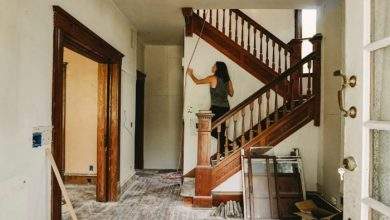
Moving in comes with a list. Paint this room. Replace that fixture. Finally do something about the kitchen. The urge to change things quickly is understandable, especially after months of imagining the space.
But making changes before you have actually lived in a home tends to mean spending money on things you will later want to undo. You learn where the light falls at different hours. Which rooms feel cramped in practice rather than on a floor plan. What you actually use and what you assumed you would.
Waiting a full season before starting anything non-essential costs very little and often saves more than that. Prioritizing what affects safety and function first, and letting everything cosmetic sit for a while, is almost always the better approach.
Your Home Is a Long-Term Investment
It is easy to get absorbed in the immediate costs and lose sight of what those costs are actually protecting. Every maintenance decision, every repair addressed promptly rather than deferred, every upgrade done properly rather than quickly — all of it compounds over time in ways that affect both the value and the livability of the home.
This is not about obsessing over resale. It is about recognizing that the choices made today have a longer reach than they appear to. A roof maintained well lasts longer than one that is not. A small repair handled early does not become a large one. The house reflects, over years, how it was looked after.
Owning a home is not something anyone gets right immediately. The costs are real, the surprises are regular, and the responsibility is constant. But most of it is manageable when approached with some preparation and a willingness to pay attention to what the house is actually telling you. The gap between feeling overwhelmed by it and feeling competent tends to close on its own — as long as the small things are not left to quietly become something larger.