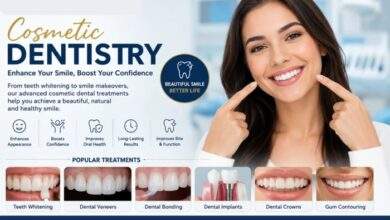

Tooth sensitivity can drain your energy and shake your confidence. You want a smile that looks clean and bright. You also want to drink cold water or hot coffee without a sharp sting. That tension can feel exhausting. This blog explains how you can manage sensitivity while still reaching your cosmetic goals. You learn what triggers the pain. You see which treatments protect your enamel and nerves. You also see how to talk with a dentist in Gladstone, MO so your care plan respects both comfort and appearance. You get clear steps. You hear about simple changes to brushing, whitening, and diet that reduce pain. You also see when you need an exam right away. Sensitive teeth do not need to control your choices or your smile. You can protect them and still feel proud of how they look.
Why teeth feel sensitive
Tooth sensitivity usually starts when the inner layer of the tooth becomes exposed. That inner layer has tiny tubes that lead to the nerve. Heat, cold, sugar, or touch can then cause a sharp flash of pain.
Common triggers include three things.
- Enamel wear from hard brushing or acid from soda
- Receding gums that expose the root surface
- Tooth damage such as cracks or worn fillings
Sometimes a whitening product or cosmetic repair uncovers a weak spot that already exists. The treatment is not the only cause. It often reveals a problem that was quiet before.
When cosmetic care raises your risk
Cosmetic steps can stress teeth if you do not plan them with care. You still have options that protect both comfort and looks.
Three common issues are important.
- Whitening products. Strong bleach can pass through enamel and irritate the nerve.
- Bonding and veneers. Tooth shaping removes a thin layer of enamel. Thin enamel can heighten sensitivity.
- Orthodontic movement. Tooth movement can cause short term soreness that feels like sensitivity.
You can lower risk with slow changes, short contact with bleach, and close checks during treatment.
Simple daily steps that ease pain
You can control many causes of sensitivity with steady home habits. These steps are gentle and direct.
- Use a soft brush and light pressure. Hard scrubbing scrapes enamel and gums.
- Choose fluoride toothpaste made for sensitivity. It blocks the tiny tubes over time.
- Wait 30 minutes after acidic drinks before brushing. This protects softened enamel.
- Limit soda, sports drinks, citrus, and sticky sweets.
- Wear a night guard if you grind. Grinding thins enamel and cracks teeth.
The American Dental Association explains how enamel protects teeth and how acid harms it.
Choosing whitening that respects sensitivity
Whitening can feel safe if you match the method to your teeth. You do not need to accept pain to gain a brighter smile.
Whitening options and sensitivity risk
| Whitening method | Speed of results | Typical sensitivity risk | Good fit for |
|---|---|---|---|
| In office light activated | Fast | Higher | Healthy, less sensitive teeth |
| Custom trays with lower strength gel | Moderate | Medium | Most adults with mild sensitivity |
| Store bought strips | Slower | Medium | Short term, light whitening |
| Whitening toothpaste only | Very slow | Lower | High risk or very sensitive teeth |
To protect comfort, you can use gel every other day instead of daily. You can shorten wear time. You can add a fluoride or potassium nitrate gel in the tray on off days.
Cosmetic fixes that also protect weak teeth
If enamel is thin, some cosmetic treatments can reduce sensitivity instead of making it worse. The right choice depends on where the pain starts.
- Bonding can cover exposed root surfaces and chips.
- Tooth colored fillings can seal cracks and worn spots.
- Crowns can shield teeth with large fractures or deep wear.
A careful plan might use three steps. First, your dentist settles any decay or infection. Next, you both test desensitizing pastes and small repairs. Then you decide on whitening, bonding, or veneers once the teeth are calm.
How to talk with your dentist about sensitivity
Clear words help your dentist protect both comfort and looks. You do not need to hide your fear of pain.
You can share three points.
- Describe where and when the pain starts. Cold, heat, air, chewing, or sweets.
- List all whitening products and home kits you use.
- Explain your main goal. Whiter shade, even shape, or repair of worn edges.
Then you can ask three key questions.
- How will this treatment affect my current sensitivity?
- What can we do before and after to calm the teeth?
- What are the gentlest choices that still meet my goals?
The National Institute of Dental and Craniofacial Research gives plain facts about tooth decay and nerve pain. The same changes that prevent decay often ease sensitivity.
When sensitivity signals a larger problem
Some warning signs mean you need prompt care. Do not wait and hope they pass.
- Pain that lingers for more than one minute after hot or cold
- Pain that wakes you from sleep
- Swelling, a pimple on the gum, or a bad taste
- Sudden darkening or crack in a tooth
These signs can point to deep decay, an abscess, or a broken tooth. Cosmetic steps must pause until the tooth is stable. After treatment, your dentist can still plan whitening or bonding that respects your comfort.
Balancing comfort and a bright smile
You do not need to choose between a calm mouth and a clean look. You can use gentle daily care, thoughtful whitening, and protective repairs. You can share clear goals and fears with your dentist. You can then follow a plan that guards your teeth while it improves your smile. Pain does not need to write the story. Your choices do.