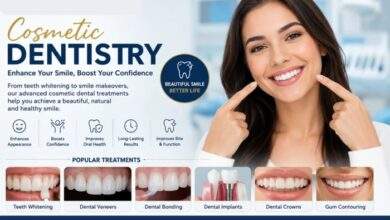

A healthy smile shapes how you see yourself and how others see you. You might hide your teeth in photos. You might avoid laughing. That quiet shame can drain your confidence. Cosmetic dentistry offers real help for children, adults, and older adults. You do not need perfect teeth. You only need a clear goal and the right plan. A dentist in Saint Thomas, VI can guide you through safe choices that match your age, budget, and health. This blog explains six options that can repair chips, close gaps, brighten stains, and reshape uneven teeth. Each option focuses on comfort, strength, and a natural look. You will see what each one does, how long it lasts, and what to expect during care. By the end, you can ask sharper questions and choose treatment that fits your life.
1. Professional teeth whitening
Stains from coffee, tea, tobacco, or some medicines can darken teeth. Professional whitening uses a stronger product than store kits. It can lift many surface stains in a short time.
First, your dentist checks your gums and enamel. Then you sit in the chair while a gel is placed on your teeth. In some offices, a light is used. At home, trays may be used to keep the shade steady.
Professional whitening is often best for teens and adults. Young children usually do not need it. Results can fade if you keep smoking or drinking dark liquids. You may feel brief tooth sensitivity.
2. Tooth bonding
Bonding repairs small chips, cracks, or small gaps. The dentist places a tooth colored resin on the tooth. Then the resin is shaped and hardened with a special light. The repair blends with your natural tooth.
Bonding works well for children who have chipped a front tooth. It also helps adults who grind their teeth, causing wear. Treatment is quick and often needs one visit. You keep eating and brushing the same way afterward.
Bonding can stain over time. It may need touch-ups. It can also chip if you bite hard objects. Still, it protects the tooth and improves your smile with little drilling.
3. Dental veneers
Veneers are thin shells that cover the front of teeth. They change color, shape, and size. Veneers can hide deep stains, uneven edges, and gaps that braces cannot fix alone.
Your dentist first trims a small layer of enamel. Then an impression is taken. A lab makes custom shells. At a later visit, the veneers are bonded to your teeth. The result can look like natural, healthy enamel.
Veneers are common for adults who want long-lasting change. Teens may need to wait until their teeth and gums stop growing. Veneers cannot be reversed because enamel is removed. You must clean carefully and avoid biting hard items.
4. Orthodontic treatment
Braces and clear aligners move teeth into better positions. Straighter teeth are easier to clean. They also change how your smile looks. Orthodontic care can help children, teens, and adults.
Metal or ceramic braces use brackets and wires. Clear aligners use thin trays that you change every few weeks. Treatment time varies from several months to a few years. Your dentist or orthodontist will explain what you need.
Early care for children can guide jaw growth. Adults can still gain strong results. You must wear retainers after treatment to keep teeth from shifting back. The National Institute of Dental and Craniofacial Research explains how straight teeth support better cleaning and lower decay risk.
5. Dental crowns
Crowns cover and protect weak or broken teeth. They also improve shape and color. A crown fits over the tooth like a cap. It can be made from porcelain, metal, or both.
The dentist reshapes the tooth, takes an impression, and places a temporary crown. A lab makes the final crown. At a later visit, the crown is cemented in place. Some offices offer same-day crowns with digital scans.
Crowns help after large cavities, root canal care, or breaks. They are used for adults and sometimes older children with strong roots. Crowns restore chewing and protect the tooth from more damage. You must brush and floss around the crown every day.
6. Tooth colored fillings and contouring
Tooth colored fillings repair decay while matching the shade of your teeth. They blend much better than silver fillings. They work for children and adults. Contouring is a small reshaping of enamel to even out rough or pointy edges.
For a filling, the dentist removes decay and places a resin material. A light hardens it. For contouring the dentist gently smooths high spots and polishes the tooth. Both procedures are quick and support both health and appearance.
Fillings can wear with time and may need replacement. Contouring removes a small amount of enamel, so it must be planned with care. Together, they keep teeth strong and more even.
Comparison of common cosmetic options
| Treatment | Main purpose | Best age group | Typical life span | Reversible |
|---|---|---|---|---|
| Professional whitening | Lighten stains | Teens and adults | 1 to 3 years | Yes |
| Bonding | Fix chips and small gaps | Children, teens, adults | 3 to 10 years | Partly |
| Veneers | Change color and shape | Adults | 10 to 15 years | No |
| Orthodontic care | Straighten teeth | Children, teens, adults | Long term with retainers | No |
| Crowns | Protect weak teeth | Older children, adults | 10 to 15 years | No |
| Tooth colored fillings | Treat decay and blend in | Children, teens, adults | 5 to 15 years | No |
How to choose the right option
First, think about your main goal. Do you want whiter teeth, smoother edges, fewer gaps, or better chewing? Next, share your health history and budget with your dentist. Then ask which choices protect tooth structure.
Ask three key questions. What will this do for my health? How long will it last? What care will I need at home? Clear answers help you choose treatment that supports both your smile and your long-term comfort.