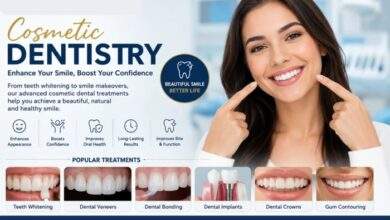

You want a confident smile that lasts. Cosmetic treatments can change how your teeth look. Yet they work best on a mouth that is already healthy and stable. General dentistry gives that foundation. It finds early decay, gum infection, bite problems, and worn teeth before they quietly spread. Then it treats them in clear steps. As a result, whitening, veneers, bonding, and dental implants stay stronger and look better. This is true whether you need simple cleanings or complex care like dental implants in Upper East Side and Midtown Manhattan. First you remove infection. Next you repair damage. Finally you shape the smile you want. When you follow this order, you avoid painful setbacks and costly repairs. You protect your time, your comfort, and your trust in your own smile.
Why a Healthy Mouth Must Come First
Cosmetic care changes how teeth look. General dentistry protects how teeth work. You need both. When gums bleed, teeth move. When decay grows, tooth color and shape change. When your bite is off, teeth chip and crack. Cosmetic work on top of these problems fails fast.
The Centers for Disease Control and Prevention explains that untreated cavities and gum disease are common and can lead to tooth loss and pain. If you place veneers on teeth with hidden decay, you trap infection. If you whiten teeth with active gum disease, you often feel sharp pain and see uneven color.
Healthy teeth and gums give a steady base. Cosmetic work then lasts longer. It also feels more natural when you talk, eat, and smile.
What General Dentistry Checks Before Cosmetic Work
Before any cosmetic treatment, your dentist should check three core things.
- Tooth health. Cavities, cracks, and worn spots.
- Gum health. Bleeding, swelling, recession, and bone loss.
- Bite balance. How upper and lower teeth meet.
The exam often includes X-rays, a gum chart, and photos. That may feel slow. Yet each step protects you from rushed cosmetic work that fails. The National Institute of Dental and Craniofacial Research notes that gum disease is a leading cause of tooth loss in adults. You can see their summary. Cosmetic care on loose or infected teeth is like painting over a rotting fence. It looks fine at first. Then it breaks.
How General Dentistry Supports Each Cosmetic Option
Each cosmetic treatment needs specific support from basic care. The steps below show how they connect.
| Cosmetic treatment | Needed general dentistry first | Risk if skipped
|
|---|---|---|
| Teeth whitening | Cleaning. Cavity check. Gum exam. | Uneven color. Tooth sensitivity. Gum burn. |
| Bonding | Decay removal. Bite check. Crack check. | Bond breaks. Decay grows under resin. |
| Veneers | Gum treatment. X-rays. Bite and grind check. | Chipping. Veneer loss. Dark lines at edges. |
| Dental crowns | Root health test. Gum and bone check. | Pain under the crown. Need for retreatment. |
| Implants | Gum disease control. Bone quality scan. Health review. | Implant failure. Infection. Bone loss. |
Step by Step Path From Health to Cosmetic Change
You can think of your care in three simple steps.
Step 1. Clean and control infection
First, your dentist clears plaque and tartar. Next, they treat gum disease with deep cleaning and home care coaching. Then they fill cavities or plan root canal care if needed. This step often reduces pain and bleeding. It also helps your breath and sleep.
Step 2. Repair and stabilize teeth
Once the infection is quiet, your dentist repairs the structure. They may place fillings, crowns, or bridges. They may suggest a mouthguard if you grind at night. They may also adjust your bite so teeth share pressure. This step keeps teeth from breaking during or after cosmetic work.
Step 3. Shape and brighten your smile
Now your mouth is calm. At this point, you and your dentist can plan whitening, bonding, veneers, or implants. The work now sits on a strong base. Color stays even. Edges stay smooth. Most people also need fewer emergency visits.
How General Dentistry Saves Money and Time
Cosmetic treatments cost money and time. General dentistry protects that investment. When you keep up with exams and cleanings, your dentist can spot small problems early. A tiny cavity costs less to fix than a root canal and crown. A mild gum issue costs less to treat than an advanced disease that needs surgery.
Regular care also reduces time away from work and school. You spend short visits on prevention instead of long visits on repair. You also avoid the stress of sudden tooth pain before a big event or family photo.
What to Ask Before You Start Cosmetic Treatment
Before you agree to any cosmetic plan, ask three clear questions.
- Is my mouth free of infection right now
- Are my gums and bone healthy enough to support this treatment
- How will you protect my results over the next five to ten years
Also ask for a written plan that lists general care first and cosmetic steps second. That simple order keeps you safe. It also gives you time to think, budget, and talk with your family.
Daily Habits That Support Both Health and Appearance
General dentistry works best when you support it at home. Three habits matter most.
- Brush twice a day with fluoride toothpaste.
- Clean between teeth once a day with floss or a water flosser.
- Limit sugary drinks and snacks, especially between meals.
These habits protect your enamel. They also keep your gums tight and firm around each tooth. Your cosmetic work then stays cleaner and brighter with less effort.
Putting It All Together
Cosmetic dentistry can change how you see yourself. General dentistry protects that change. When you treat infection first, repair damage second, and shape your smile last, you gain results that look natural and last longer. You also keep control of your health, your money, and your peace of mind.