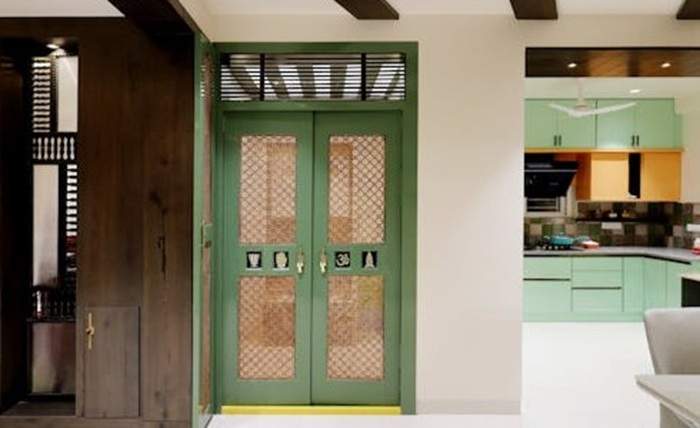
Have you noticed how homes now need to do almost everything? One room becomes an office at 9 a.m., a gym at noon, and a movie theater by night. Modern design is no longer just about clean lines and trendy furniture. People want spaces that feel calm, useful, and personal at the same time. As remote work, rising housing costs, and social media trends reshape daily life, homeowners are learning that comfort and style are not rivals. They are roommates, and the best homes know how to make them live together peacefully.
Why Comfort Has Become the New Luxury
For years, modern design leaned heavily on perfection. Glossy white kitchens, sharp metal finishes, and furniture that looked impressive but felt like punishment became common in magazines and online feeds. Then the pandemic changed how people saw their homes. Suddenly, nobody cared if a sofa looked like modern art if sitting on it for eight hours caused back pain.
Comfort now drives many design choices because people spend more time indoors than ever before. Soft fabrics, warm lighting, and natural textures are replacing cold minimalism. Homeowners are also choosing pieces that support real life instead of staged photos. A beautiful living room means little when the dog has already claimed the couch and children have turned the coffee table into a racetrack.
Kitchens That Feel Social Instead of Surgical
The modern kitchen is shifting away from the sterile showroom look that dominated the 2010s. Homeowners still want sleek finishes, but they also want warmth and function. Wood cabinets, textured stone, and layered lighting create spaces that feel inviting instead of intimidating. Even professional designers admit that all-white kitchens can age faster than a viral TikTok dance.
Many homeowners now work with a kitchen remodeler to create layouts that encourage conversation instead of isolation. Open shelving mixed with hidden storage keeps kitchens practical without looking cluttered. Larger islands are also becoming central gathering spots because people want guests nearby while cooking rather than trapped awkwardly in another room pretending not to stare into the fridge.
The Rise of Quiet Colors and Earth Tones
Bright white walls once symbolized modern sophistication, but softer shades are taking over because they create a calmer environment. Earth tones like clay, olive, sand, and warm gray feel more relaxing and easier to live with daily. These colors also reflect a growing interest in wellness and mental balance, especially as many Americans report higher stress levels from work and economic uncertainty.
Paint companies have noticed the trend and continue releasing muted, nature-inspired colors as their shades of the year. Designers say these tones help rooms feel grounded without appearing dull. They also work well with natural materials like wood and linen, which are becoming staples in modern interiors that prioritize comfort over visual shock value.
Furniture That Looks Good and Works Hard
Modern homeowners expect furniture to multitask because space is expensive, especially in cities where smaller homes and apartments are common. A stylish bench that also hides storage feels more valuable than a decorative chair nobody actually uses. Consumers are becoming less interested in buying pieces purely for appearance and are more focused on durability and flexibility.
Sectional sofas continue growing in popularity because they support everything from movie nights to afternoon naps. Rounded furniture is also making a comeback because curved edges feel softer and more welcoming than harsh geometric shapes. Interestingly, this trend mirrors broader cultural shifts. After years of fast-paced digital overload, people seem drawn to objects and spaces that feel emotionally gentler.
Lighting That Changes the Mood
Lighting might be the most underrated part of home design, yet it shapes how every room feels. Harsh overhead lighting can make even a beautiful room resemble a grocery store aisle at midnight. Modern homes now rely on layered lighting to create flexibility throughout the day.
Table lamps, wall sconces, and dimmable fixtures allow homeowners to adjust a room’s atmosphere depending on the moment. Natural light also remains a major priority. Large windows, sheer curtains, and strategically placed mirrors help spaces feel brighter and larger without expensive renovations. Designers increasingly describe lighting as emotional architecture because it influences mood as much as furniture or color choices do.
Natural Materials Bring Balance
The growing popularity of wood, stone, cotton, and linen reflects a larger cultural desire to reconnect with nature. Many people spend their days staring at screens, answering emails, and scrolling through endless notifications. Bringing natural materials indoors creates a subtle sense of relief from that digital overload.
Wood slat walls, stone countertops, and woven textures add depth without making rooms feel busy. These materials also age more gracefully than ultra-trendy finishes that quickly look dated. Sustainability plays a role here, too. Consumers are paying closer attention to where products come from and how long they will last. Buying fewer, higher-quality items feels smarter financially and environmentally.
Smart Technology Without the Sci-Fi Feeling
Smart homes once felt futuristic in a slightly unsettling way. Early designs sometimes resembled tech demonstrations more than comfortable living spaces. Today, homeowners want technology that blends quietly into the background instead of demanding attention like a needy coworker during a Zoom call.
Hidden charging stations, smart thermostats, and voice-controlled lighting improve convenience without dominating the room visually. Many homeowners also prefer technology that saves energy because utility costs continue rising across the country. The goal is balance. A home should feel intelligent without making guests wonder if the refrigerator is secretly judging them.
Modern design works best when it supports real life instead of competing with it. Comfortable seating, calming colors, thoughtful lighting, and practical layouts help homes feel both stylish and livable. As social habits, work routines, and financial pressures continue changing, people want spaces that reduce stress rather than add to it. The most successful homes today are not the ones that look untouched. They are the ones that invite people to stay awhile, relax fully, and maybe even leave their shoes on without fear of ruining the aesthetic.