Your teeth carry your story every time you speak, eat, or smile. Regular checkups help, but what you do between visits matters even more. Daily choices either protect your mouth or slowly damage it. This blog shares 5 clear steps you can use today to keep your teeth strong and your gums calm. You will see how small habits protect you from pain, cost, and worry. A Collegeville dentist can clean your teeth and spot problems. Yet your routine at home decides how long your smile stays steady. You will learn how to brush with care, use floss the right way, choose helpful snacks, drink the right things, and guard your mouth while you sleep. Each tip is simple. Each step gives you control. Your smile deserves steady protection, not quick fixes. You can start now, before the next appointment is on your calendar.
1. Brush the right way, at the right times
Brushing is the base of home care. Many people still rush it or miss key spots. That leads to weak spots in your mouth where germs grow and cause holes or sore gums.
Use these three steps.
- Brush twice a day for two full minutes.
- Use a soft brush and fluoride toothpaste.
- Brush all sides of every tooth and along the gumline.
First, place the brush at a slight angle toward the gums. Then use short strokes. Do not scrub hard. Firm pressure can wear down enamel and hurt gums. Finally, replace your brush every three to four months or when the bristles spread.
The Centers for Disease Control and Prevention explains that fluoride helps protect teeth from decay. Fluoride toothpaste gives your mouth repeated protection each day.
2. Floss every day to clean where brushes miss
Flossing reaches the tight spaces between teeth. That is where food and sticky film hide. When you skip flossing, that buildup hardens into tartar. Once that happens, only a dental team can remove it.
Follow these three floss steps.
- Use about 18 inches of floss and wrap it around your middle fingers.
- Guide the floss between teeth with a gentle motion.
- Curve it into a C shape around each tooth and move it up and down.
Move to a clean section of floss as you go. You can use string floss, picks, or a water flosser. Choose the option you will use each day. For children, help them floss once their teeth touch.
Daily flossing cuts the risk of gum disease and bad breath. It also supports your next cleaning. Your dental team spends less time scraping and more time checking for small issues before they grow.
3. Choose tooth-safe snacks and drinks
What you eat and drink during the day shapes your mouth health. Sugar feeds the germs that cause cavities. Acid from drinks can wear down enamel. Together, they create a harsh attack on your teeth.
Use this simple rule of three.
- Limit sweets and sticky snacks.
- Pick crunchy fruits and vegetables.
- Drink water most of the time.
The National Institute of Dental and Craniofacial Research notes that frequent snacking on sugary foods raises the chance of tooth decay. Each time you snack, your teeth face a new acid attack that can last for many minutes.
Here is a quick comparison to guide daily choices.
| Choice | Effect on Teeth | Better Swap
|
|---|---|---|
| Soda or sports drinks | High sugar and acid that weaken enamel | Plain water or unsweetened tea |
| Gummy candy or fruit snacks | Sticky sugar that clings between teeth | Fresh fruit like apple slices or berries |
| Chips or crackers | Starch that turns into sugar and packs in grooves | Carrot sticks or nuts if safe for your teeth |
| Frequent sipping all day | Long acid exposure that harms enamel | Drink water with meals and limit snacking |
Try to keep sweets with meals instead of alone. Then your saliva and water can wash your teeth more quickly.
4. Protect teeth during sports and at night
Physical hits and grinding both wear down teeth. Many people clench when they sleep or during stress. Children and adults also face risk when they play sports.
Consider three types of guards.
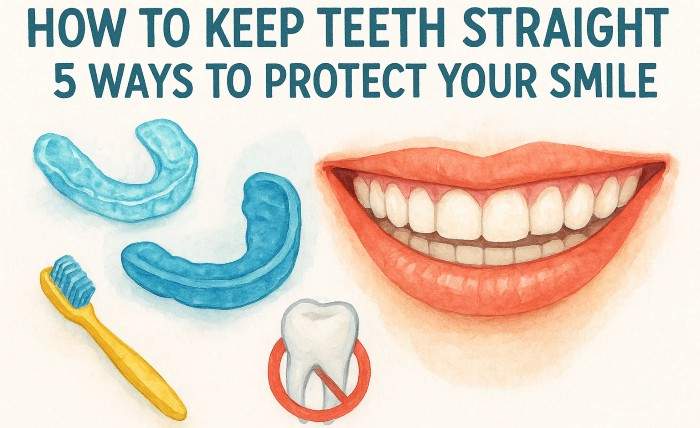
- Sports mouthguards for contact sports.
- Nightguards for grinding and clenching.
- Retainers that also help protect tooth position.
A sports mouthguard cushions blows to the face. It lowers the chance of broken teeth and cuts to the lips or tongue. For children in school sports, a guard should be as routine as shoes.
Nightguards protect teeth from slow grinding damage. Signs include jaw pain, morning headaches, or flat-looking teeth. If you notice these signs, tell your dental team. A custom guard may stop more serious harm.
5. Build a steady home routine for the whole family
Strong habits keep your mouth safe between visits. A clear routine also teaches children that mouth care is as normal as washing hands.
Use this simple daily plan.
- Morning. Brush and floss after breakfast. Drink water.
- Daytime. Choose tooth-safe snacks and limit sweets.
- Night. Brush and floss again. Then use any prescribed rinse or fluoride.
For younger children, turn brushing into a short shared task. Use a timer or a song to reach two minutes. For teens, link mouth care to phone use. For example, charge the phone in the bathroom and tie screen time to brushing checks.
Keep a small kit with a brush, paste, and floss in your bag or at work. That way you can clean your teeth after meals when you are away from home.
When to call your dental team between visits
Regular checkups and cleanings stay important. Yet do not wait for your next date if you notice warning signs.
- Tooth pain that lasts more than a day.
- Bleeding gums when you brush or floss.
- Broken, loose, or chipped teeth.
- Sores in your mouth that do not heal within two weeks.
- Bad breath that does not go away with brushing.
Quick care can stop small problems from turning into root canals, extractions, or infections. Your daily effort and your dental team work together. That shared plan keeps your smile steady, your speech clear, and your meals more comfortable.
Each step you take at home helps protect your story, one simple habit at a time.