
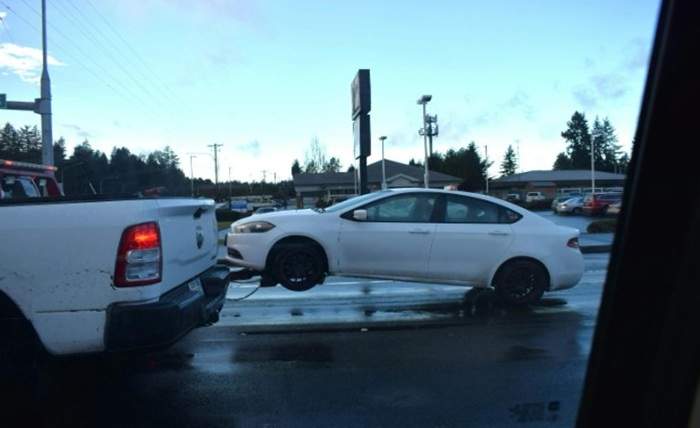
Roadside emergencies rarely come with a warning. One moment, traffic is moving smoothly, the next, you are dealing with a flat tire, engine trouble, or a vehicle that refuses to start. Clear thinking becomes your most valuable tool in those first few minutes. Safety must come first, followed by smart decision-making.
Northern Virginia presents unique challenges. Heavy commuter traffic, high-speed interstates, and sudden weather shifts increase the likelihood of roadside incidents. According to the Virginia Department of Transportation, thousands of traffic incidents are reported each year across the region, many involving disabled vehicles. Preparation matters here. Knowing what to do before trouble starts can prevent panic and reduce risk when it does.
Recognizing the Most Common Roadside Emergencies
Every driver benefits from understanding the problems that occur most often. Flat tires remain one of the leading causes of roadside stops. Dead batteries follow closely, especially during temperature extremes. Overheating engines, brake issues, and minor collisions also rank high on the list.
Awareness starts with paying attention to warning signs. Dashboard lights, unusual smells, strange vibrations, or grinding noises often signal developing trouble. Ignoring these signs can turn a minor issue into a major breakdown. Quick recognition allows you to pull over safely before the situation escalates.
Calling a Reliable Towing or Roadside Assistance Company
Certain situations call for professional help right away. Heavy traffic, poor lighting, severe weather, or mechanical failure make roadside repairs risky. Attempting to fix complex problems on a busy shoulder can put you in danger.
Professional towing and roadside assistance services bring expertise and proper equipment. Trained technicians know how to secure vehicles quickly and handle mechanical issues without causing additional damage. Their experience reduces stress and limits exposure to passing traffic. For instance, companies like Geyers Towing in Northern Virginia offer rapid response, skilled technicians, and reliable roadside support across major highways. Experienced providers understand local routes and congestion patterns, which helps them arrive efficiently and position their vehicles safely.
Securing Your Vehicle and Ensuring Personal Safety
Safety takes priority over convenience. Moving your vehicle out of active lanes, if possible, should be the first step. A wide shoulder or a nearby parking lot provides better protection than stopping in traffic.
Hazard lights should be activated immediately to alert approaching drivers. Visibility matters, especially at night or during heavy rain. Reflective warning triangles placed a safe distance behind your vehicle increase awareness and give others more time to react. Remaining inside the vehicle often provides the safest option when traffic is moving quickly. Seat belts should stay fastened while waiting for assistance. Exiting the car makes sense only when conditions allow you to do so without stepping into danger.
Handling Tire Trouble Without Risk
Flat tires happen unexpectedly, yet handling them properly keeps the situation under control. Stable ground is essential before attempting a tire change. Soft shoulders or steep inclines increase the risk of the vehicle shifting.
Once parked securely, engage the parking brake and place wheel wedges if available. Loosen lug nuts slightly before lifting the vehicle with a jack. Proper jack placement ensures stability throughout the process. After mounting the spare tire, tighten the lug nuts in a crisscross pattern for even pressure.
Managing Battery Failures and Electrical Issues
Dead batteries often strike without warning, especially during cold mornings or after leaving lights on. Clicking sounds when turning the key usually signal a battery problem. Dim headlights provide another clue.
Jump-starting a vehicle requires careful attention. Correct cable placement protects both vehicles involved. Positive terminals connect first, followed by negative connections. Clamps should never touch each other during the process. Once the engine starts, cables should be removed in reverse order. Electrical issues can extend beyond the battery. Persistent starting problems may point to alternator trouble or deeper mechanical concerns. Professional evaluation ensures the problem is resolved fully rather than temporarily masked.
Communicating Clearly During an Emergency
Clear communication speeds up assistance and reduces confusion. Start by identifying your exact location. Highway numbers, exit signs, nearby landmarks, or GPS coordinates help responders reach you faster. Phone navigation apps often display mile markers or shareable location links, which can be relayed directly to dispatchers.
Explain the issue briefly and accurately. Let the operator know if the vehicle is disabled, partially blocking traffic, or safely on the shoulder. Mention any warning lights, visible damage, or unusual conditions. Precise information allows roadside teams to bring the right equipment. Contacting a trusted friend or family member also adds a layer of security. Sharing your location and situation ensures someone else is aware of what is happening.
Preparing an Emergency Kit for the Unexpected
Preparation reduces stress during high-pressure moments. A well-stocked emergency kit provides practical support while waiting for help. Essentials include jumper cables, a flashlight with extra batteries, reflective warning triangles, a first-aid kit, bottled water, and a portable phone charger.
Seasonal items strengthen readiness. Winter conditions may call for blankets and ice scrapers. Warmer months may require extra water and sun protection. Small additions make a noticeable difference when conditions become uncomfortable. Routine checks of your emergency kit ensure everything remains functional. Batteries should hold a charge, and supplies should stay organized and accessible. Storing items neatly in the trunk allows quick access without searching under pressure.
Preventive Maintenance That Reduces Breakdown Risk
Preventive care lowers the chances of facing an emergency in the first place. Regular inspections keep critical systems working properly. Tire pressure and tread depth deserve consistent attention, especially before long trips. Proper inflation improves safety and fuel efficiency.
Battery health should be tested periodically, particularly before extreme temperature changes. Brake inspections and fluid checks also protect against sudden failure. Engine oil, coolant, and transmission fluid levels support smooth operation and reduce strain on mechanical components.
Roadside emergencies test patience and judgment, but they do not have to spiral into chaos. Staying calm, recognizing the problem early, and making safety your priority creates immediate control over the situation. Knowing when to attempt a simple fix and when to call a professional prevents unnecessary risk.
Preparation plays a lasting role. A stocked emergency kit, reliable roadside assistance contact, and consistent vehicle maintenance reduce uncertainty before trouble ever begins. Clear communication and smart positioning protect both you and other drivers while help is on the way.