You might be feeling a little torn right now. You know you “should” see a general dentist regularly, yet life is busy, money is tight, and your teeth seem fine most days. Maybe you book an appointment at a dentist office in Tustin when something hurts, then promise yourself you will stay on top of things next time. Then months or years pass, and the cycle repeats.end
Because of this, you might carry a quiet worry in the back of your mind. What if there is a problem you cannot see. What if a small issue suddenly becomes a big, painful emergency at the worst possible time. That kind of uncertainty can wear you down.
Here is the simple truth. Regular preventive checkups are not about perfect teeth. They are about protecting your comfort, your health, and your wallet over time. If you remember nothing else, remember this. A short visit for a cleaning and exam today usually costs far less in stress, time, and money than a root canal or extraction tomorrow.
So where does that leave you. It helps to understand why these visits matter so much and how they quietly protect you long before anything hurts.
Why do regular dental checkups matter when nothing hurts yet
One of the hardest parts about oral health is that trouble often starts silently. Cavities, gum disease, and even some infections can grow for months without obvious pain. By the time you feel something, the treatment can be more complex and more expensive.
Research supports this. The Centers for Disease Control and Prevention notes that untreated oral problems are common, and they affect overall health, not just your mouth. So waiting for pain is a little like waiting for your car engine to seize before you ever change the oil.
When you skip checkups, a few things can happen.
You might start to notice bad breath that does not go away with brushing. Your gums may bleed when you floss, so you stop flossing, which quietly makes the problem worse. Plaque hardens into tartar that you simply cannot remove at home. Over time, bone around the teeth can begin to weaken, often without clear warning signs at first.
It is easy to understand why you might avoid the chair. Maybe you had a bad dental experience as a child. Maybe you are afraid of being judged. Maybe money or time are real barriers. None of that means you have failed. It just means you need a plan that works with your reality, not against it.
So how can regular checkups with a general dentist actually help you in practical, everyday ways.
Benefit 1. Catching small problems early before they become big emergencies
The first benefit of preventive dental checkups is early detection. A dentist can see what you cannot. Tiny cavities between teeth. Weak spots in enamel. Early gum inflammation. Even signs of grinding while you sleep.
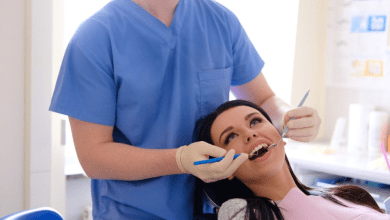
During a routine dental exam, your provider will visually inspect your teeth and gums and may use X rays to spot issues that are hidden. You can read more about what a standard exam involves on MedlinePlus’ dental exam overview. The goal is simple. Find problems while they are still easy to treat.
Early treatment usually means a small filling instead of a root canal. It can mean a simple cleaning to reverse early gum disease instead of surgery later. It also means less time in the chair and fewer surprises.
Benefit 2. Protecting your gums and long term oral health
Gum disease is one of the main reasons adults lose teeth. It often starts with red, swollen, or bleeding gums, which many people ignore. Over time, the infection can affect the bone that holds your teeth in place.
Regular professional cleanings during routine dental visits remove plaque and hardened tartar that brushing and flossing miss. This helps calm inflammation and gives your gums a chance to heal. Your dentist or hygienist can also show you where you are missing with your toothbrush or floss and suggest easier ways to clean those areas.
Healthy gums support your ability to chew, speak clearly, and smile with confidence. They are the foundation, and checkups help you keep that foundation strong.
Benefit 3. Saving money and stress over time
It can feel strange to hear that going to the dentist more often can save you money, yet that is usually what happens. Think of it this way. A routine cleaning and exam costs a fraction of an emergency visit for a broken tooth or severe infection.
Federal health statistics show that many people still do not get regular dental care. Data from the National Center for Health Statistics on dental visits highlight how common it is to delay care. The pattern is understandable, yet it often leads to higher costs later.
When problems are found early, treatment is usually simpler, faster, and less expensive. You also avoid the hidden costs. Time off work. Last minute childcare. Medication. The emotional toll of sudden pain.
Benefit 4. Supporting your overall health, not just your teeth
Your mouth is connected to the rest of your body. Infections in the gums can affect blood sugar control. Ongoing inflammation has been linked to heart concerns. Dentists sometimes spot signs of conditions like vitamin deficiencies or sleep apnea during routine exams.
Regular checkups with a general dentist create another layer of protection for your overall health. Your provider is looking not just at your teeth, but at patterns that might signal a deeper issue. When something looks off, they can guide you to follow up with a medical doctor if needed.
This kind of early clue can be reassuring. Even when everything is fine, you walk away knowing someone has taken a careful look and confirmed that you are on the right track.
How do preventive checkups compare to “wait until it hurts” care
It can help to see the difference between regular checkups and waiting for a crisis. The contrast is often clearer when you put it side by side.
| Approach | What it usually looks like | Typical outcome over time |
| Regular preventive visits | Cleanings and exams every 6 to 12 months, small issues treated early | Fewer emergencies, lower long term costs, more predictable care |
| “Wait until it hurts” care | No visits for years, then urgent appointment when pain or infection hits | More complex treatment, higher costs, more stress and missed time |
So where does that leave you today. You may not be able to change the past, but you can decide what the next year of your oral health will look like.
What can you do right now to protect your teeth and gums
- Schedule a checkup, even if it has been years
Pick a general dentist and book a routine exam and cleaning. You do not need a perfect history to make that call. You do not need to apologize or feel ashamed. Simply tell the office how long it has been and any fears you have. A good team will meet you where you are.
- Be honest about your worries and your budget
At your visit, share your main concerns. Pain. Appearance. Cost. Time. Ask the dentist to walk you through any recommended care in order of urgency. You can often create a step by step plan that fits your budget instead of feeling pressured to do everything at once.
- Commit to small daily habits between visits
Brush twice a day with fluoride toothpaste. Floss once a day, even if you start with just a few teeth and build up. If your dentist suggests tools like an electric toothbrush or interdental brushes, choose what feels realistic for you. Consistency matters more than perfection.
Moving forward with more confidence and less fear
You do not need to love going to the dentist to benefit from preventive dentistry checkups. You only need to decide that your comfort, your smile, and your peace of mind are worth a little time and effort now, so you can avoid bigger problems later.
Even if you feel behind, you are not alone, and you are not stuck. One appointment can give you clarity about where you stand and what comes next. From there, each regular visit becomes a quiet act of self care, protecting your health in ways you may never see, simply because the problems never get the chance to grow.