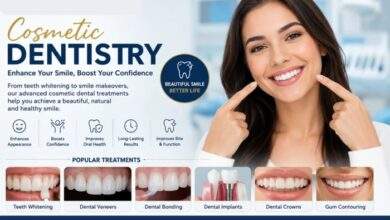
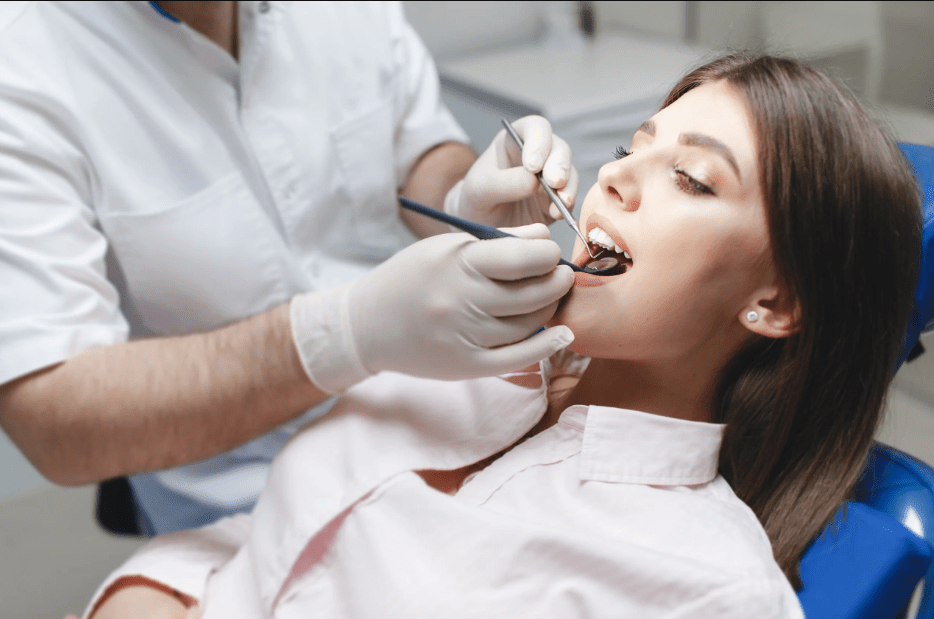
You might be thinking about whitening, veneers, or a full smile makeover, yet quietly worrying about the fillings you keep postponing, the bleeding gums, or the child who is suddenly afraid of the dentist. As an Edmonton general dentist, I know it can feel like you want a beautiful smile on the outside, while knowing there are cracks underneath that no one sees yet.end
Because of this tension, you might wonder if it even makes sense to think about cosmetic work when everyday dental care already feels stressful or confusing. The truth is, you are not alone. Many people arrive at the idea of a “perfect smile” already tired from years of dental problems, surprise bills, or fear from past experiences.
Here is the simple summary. A strong, trusted family dentist is the quiet foundation behind every lasting smile makeover. When your everyday care is stable, cosmetic dentistry becomes safer, more predictable, and far less stressful. When it is not, even the most beautiful cosmetic work can chip, fail, or lead to more treatment than you ever expected.
So where does that leave you if you want both a healthy mouth and a confident smile you enjoy seeing in the mirror
Why a healthy mouth must come before any smile makeover
You might picture a smile makeover as a single event. You walk in with worn, discolored teeth and walk out ready for photos. In reality, it is more like building a house. If the foundation is weak, the paint and decorations cannot protect it. Family dentistry is that foundation.
A family and cosmetic dentist looks at more than the shape and color of your teeth. They pay attention to cavities, gum disease, bite problems, dry mouth, and daily habits that slowly wear things down. If those issues are not managed first, cosmetic work sits on top of active disease, which leads to pain, broken restorations, and more cost over time.
For example, imagine placing beautiful veneers on teeth that still have untreated gum disease. The gums may continue to recede. You might see dark lines at the edges of the veneers, or even lose support around those teeth. What looked amazing on day one can feel like a mistake a year later.
On the other hand, when your family dentist stabilizes your oral health first, cosmetic dentistry becomes a finishing step, not a bandage. Your gums are calm. Cavities are treated. Your bite is balanced. The result is a smile that not only looks better, but also functions comfortably when you chew, speak, and live your normal life.
How family dentistry quietly protects your future smile
There is also an emotional side to this. Many people carry quiet guilt about their mouths. Maybe you avoided the dentist for years. Maybe finances got in the way. Maybe you had a rough visit as a child and never really shook the fear. By the time you think about a smile makeover, you may already feel embarrassed or worried you will be judged.
A good family dentist understands this. Their job is not just to fix teeth. It is to build a relationship over time, so you and your family feel safe, informed, and respected. That relationship matters even more when you start talking about cosmetic treatment that can change the way you look and feel every day.
There are also very practical reasons to anchor cosmetic work in strong family care.
- Regular cleanings and exams catch problems early so cosmetic work lasts longer.
- Consistent X-rays and gum checks help protect the bone and tissue that support veneers, crowns, and implants.
- Ongoing conversations about diet, home care, and habits like grinding help you avoid damage to your new smile.
Research supports this connection between everyday care and long term oral health. The Centers for Disease Control and Prevention notes that tooth decay and gum disease are common yet largely preventable with steady dental care and good home habits. The National Institute of Dental and Craniofacial Research explains how brushing, flossing, and routine checkups reduce the bacteria and plaque that lead to damage in the first place.
So if family dentistry is so important, why do many people try to skip it and go straight to cosmetic fixes
When skipping family care for quick cosmetic fixes backfires
It is easy to understand the pull of a quick transformation. You see before and after photos online. You feel self conscious at work or in pictures. It is tempting to think, “If I just fix how they look, I will worry about the rest later.”
Here is where the problem grows. Cosmetic treatments can hide deeper issues for a while. Whitening can brighten teeth that actually have early decay. Veneers can cover wear from grinding that is still happening every night. Crowns can protect cracked teeth, but if your bite is off, new fractures can appear in different places.
For adults, especially those juggling jobs, children, and aging parents, it can also be easy to slide into “crisis only” dental care. You go in when something hurts. You postpone routine visits when life gets busy. Over time, small, affordable problems turn into larger ones.
The Health Resources and Services Administration highlights that untreated dental disease in adults can affect eating, speaking, and even work and social life. You can see more about these impacts through their information on oral health in adults. When you add cosmetic work on top of that, you are investing in appearance without fully protecting function.
So how can you sort through all of this and make choices that protect both your health and your confidence
Family dentistry vs quick cosmetic fixes: what really matters
The comparison below can help you see how strong family care supports any smile makeover you choose.
| Question | Strong Family Dentistry First | Cosmetic Work Without Foundation |
| How stable is your oral health | Active decay and gum disease treated before cosmetic work | Hidden disease may continue under veneers, crowns, or bonding |
| Expected lifespan of cosmetic treatment | Higher. Clean, healthy teeth and gums support restorations longer | Lower. Ongoing problems can lead to chips, stains, or failure |
| Cost over 5 to 10 years | More predictable. Fewer emergencies and re-dos | Often higher. Repeated repairs, retreatment, or extra procedures |
| Experience during visits | Ongoing relationship. Dentist knows your history and comfort needs | More “one off” care. Less context, more catch up |
| Impact on the whole family | Children learn steady habits. Spouses and caregivers stay aligned | Each person manages problems alone. More stress and confusion |
When you look at it this way, you can see why family dentistry for smile makeovers is not about choosing one or the other. It is about using everyday care as the base for any cosmetic change you want.
Three practical steps to move toward a healthier, more confident smile
You do not have to fix everything at once. You just need a clear way forward.
- Start with a health focused dental checkup, not a cosmetic wish list
When you schedule your next visit, tell the office you are interested in improving your smile, but you want to understand your overall oral health first. In that visit, ask for:
- A review of cavities, existing fillings, and any cracked or worn teeth.
- A gum health assessment, including bleeding, pocket depth, and recession.
- A conversation about your bite, grinding, and jaw comfort.
This gives you a clear picture. It also shows your dentist that you are thinking long term, not just about a quick fix. From there, you can plan cosmetic steps that respect your health, not fight it.
- Build a simple, realistic home routine that supports any cosmetic work
You do not need perfect habits. You need consistent ones that you can actually keep. Focus on three basics.
- Brush twice a day with fluoride toothpaste for two minutes.
- Clean between your teeth daily using floss or another tool you will truly use.
- Limit frequent sugary or acidic snacks and drinks, especially between meals.
Strong home care protects both natural teeth and any cosmetic restorations. It also means that when you do invest in whitening, veneers, or other treatments, you are not fighting against daily damage at home.
- Plan cosmetic changes in stages with your family dentist
Instead of asking for a full makeover in one visit, talk with your dentist about a staged plan. This might look like:
- Phase 1. Treat active disease, address urgent issues, and calm any pain.
- Phase 2. Stabilize your bite, protect worn teeth, and improve gum health.
- Phase 3. Add cosmetic treatments such as whitening, bonding, or veneers.
A staged approach is easier on your budget. It also gives you time to adjust and make sure each step feels right. A trusted family dentistry and cosmetic care provider will help you pace this in a way that fits your life, not pressure you into rushing.
Bringing it all together so your new smile truly lasts
You deserve more than a quick before and after photo. You deserve a smile that feels comfortable, functions well, and gives you quiet confidence in everyday life. That kind of result rarely comes from cosmetic treatment alone. It grows out of steady, caring family dentistry that supports you and your loved ones over time.
If you feel behind, or if you are nervous about what a dentist might say, remember this. Every healthy smile makeover starts exactly where you are today. One checkup. One honest conversation. One small change in your routine. From there, each step builds on a stronger and stronger base.
When you choose a family focused approach, you are not just fixing teeth. You are building a foundation that can support any cosmetic change you want, for years to come.