
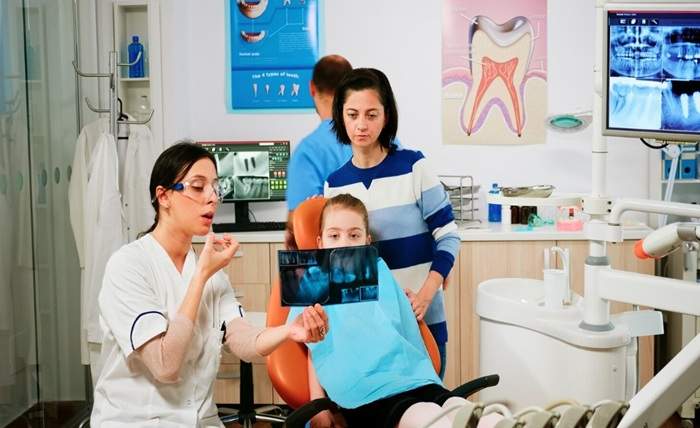
You might be feeling pulled in a hundred directions, trying to keep up with your own dental visits while figuring out cleanings for your kids and maybe even care for an aging parent. The idea of picking a new dentist in Kokomo, Indiana can feel like one more thing on an already full plate. You want a place where your child is not scared, where you are not judged, and where your parents are treated with patience and respect. You want everyone in your family to feel safe in the same chair.end
That is exactly where a family dentist can change the experience. Instead of juggling different offices and styles of care, a warm family practice creates one welcoming space for every age. Children learn that the dental office is normal and even friendly. Adults feel heard instead of rushed. Older relatives get care that respects their changing health. The heart of family dentistry is simple. One trusted team that understands how mouths and needs change from toddler years through retirement.
So how does family dentistry actually create that feeling of comfort and continuity, and how do you know if it is right for you and your family?
Why do dental visits feel so stressful for families in the first place?
Think about the last time you tried to schedule dental appointments for everyone. Maybe your child needed a school-friendly time, you had to fit around work meetings, and your parent needed help with transportation. That alone can be overwhelming. Add in the fear that someone in the family will have a painful cavity or a bill you were not expecting, and it is no surprise that many people put dental visits off.
There is also the emotional side. Children often pick up on adult anxiety. If you had a rough dental experience when you were younger, you might feel tense in the chair now. Your child sees that and starts to associate the dentist with fear. Older adults may feel embarrassed about missing teeth, dry mouth, or dentures that do not fit, so they avoid going altogether.
Because of this tension, you might wonder whether there is a way to make dental care feel more like regular self care and less like a crisis.
How does a family dentist ease those worries for kids, adults, and seniors?
A welcoming family dental practice looks at your household as a unit, not just as a collection of separate patients. The care is tailored to life stages, yet it all happens under one roof.
For children, that starts with prevention and comfort. Gentle cleanings, simple language, and lots of reassurance help kids build trust instead of fear. Parents can reinforce these visits at home using simple habits like fluoride toothpaste, limiting sugary snacks, and regular brushing. If you want clear, science based tips for your child’s daily care, the CDC has a helpful guide on oral health tips for children.
For adults, the focus often shifts to managing busy schedules and preventing problems that can get expensive if ignored. A family dentist can track small changes over time, catch issues early, and explain options in plain language. You are much more likely to say yes to needed treatment when you feel respected and informed instead of rushed.
For older adults, needs can be very different. Medications, chronic conditions, dry mouth, and mobility issues all affect oral health. A thoughtful family practice takes the time to coordinate with physicians when needed, gently adjust treatment plans, and help with things like denture fit or gum care. Many families do not realize how strongly oral health is tied to overall health in older age. The Administration for Community Living shares more on this connection in its resource on oral health for older adults.
So where does that leave you? Ideally, in a place where one dentist knows your child’s first tooth story, your own history with dental anxiety, and your parent’s medical background, and can weave all of that into kind, steady care.
What are the real tradeoffs when you choose family dentistry vs other options?
You may be comparing a dedicated family dentistry office to a pediatric-only dentist for your child, a cosmetic focused practice for yourself, or even putting off care entirely. It can help to see the differences clearly instead of guessing.
| Option | Who it serves best | Benefits | Common drawbacks |
|---|---|---|---|
| Family dentist | Children, adults, and seniors in one practice | One office for the whole family, consistent records, easier scheduling, long term relationships, comfort for anxious patients | Very complex or rare cases may still need a specialist |
| Pediatric-only dentist | Infants, children, and teens only | Highly child centered environment, strong behavior guidance for very fearful kids | Parents need a separate dentist for themselves, teens eventually must move to an adult practice |
| Seeing no dentist or going only in emergencies | People avoiding costs or anxiety in the short term | No immediate appointment costs if you skip visits | Higher risk of pain, infections, tooth loss, and emergency bills. Oral problems can affect heart health, diabetes, and more |
Public health data show that regular preventive care, even just one or two visits a year, lowers the chance of serious dental disease for both adults and children. The CDC shares a useful overview of why ongoing checkups matter in its page on oral health basics and prevention.
When your whole family uses the same practice, it is easier to keep those visits on the calendar, notice patterns, and build habits that stick.
What simple steps can you take now to make dental care feel easier for your family?
You do not have to change everything at once. A few clear moves can make dental care feel calmer and more manageable.
- Choose one “home” dental office for the whole family
Look for a family dentist that welcomes all ages and is comfortable explaining things without jargon. When you call, notice how the team speaks to you. Do they ask about your children or older relatives. Do they offer appointment times that make sense for your schedule. A practice that listens on the phone is more likely to listen in the chair.
- Create a simple, shared routine at home
Pick two times a day for brushing that work for everyone, often after breakfast and before bed. Make it a shared habit instead of a chore. Younger kids can brush when you brush, so they see it as normal adult behavior. Keep floss, fluoride toothpaste, and any special tools like interdental brushes in one basket so you are not hunting for them when you are tired.
- Plan for life stages before they surprise you
Talk with your family dentist about what is coming next for each person. That might be teething and first visits for a toddler, braces for a teen, whitening or fillings for an adult, or denture care for a grandparent. When you know what to expect, you can budget time and money, and small issues are less likely to turn into emergencies.
Bringing it all together for your family’s care
Dental care does not have to be something you dread or avoid. With a thoughtful family dentistry service, the same office can gently guide your child through their first cleaning, support you through busy years, and help your parents stay comfortable and confident with their smiles.
You deserve a space where no one in your family feels rushed, shamed, or ignored. A place where the team knows your names, remembers your stories, and understands that good oral health is really about quality of life at every age.
The next move can be small. Choose one office that feels kind and steady. Schedule that first visit. From there, each step becomes easier, and your family gains something that is hard to put a price on. Peace of mind every time you sit in the chair.