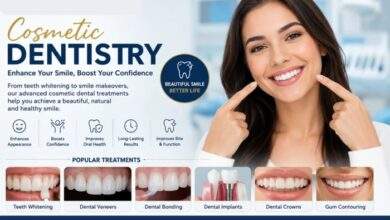

You might be feeling a little uneasy every time you look at that crown, veneer, or filling in the mirror. It looks fine from the outside, yet a small voice in your head keeps asking, “What is actually happening underneath there?” Maybe you have invested a lot in cosmetic work and worry it could fail, and now you are considering advanced cosmetic dentistry solutions in Arlington. Or you are noticing sensitivity and you are not sure if it is normal or a warning sign.end
That worry is understandable. Cosmetic dentistry focuses on how your smile looks. General dentistry focuses on how your teeth and gums are actually doing underneath the surface. Both need to work together. The short version is this. When general dentistry is done well and maintained regularly, it quietly protects the health of your natural teeth beneath those beautiful restorations, so your smile is not just attractive for a few years, but stable and comfortable for the long run.
Why a “Perfect” Smile Can Still Hide Problems
Imagine this. You finally fix a front tooth with a crown after years of feeling self conscious. It looks great. People notice. You start smiling in photos again. Then a year or two later, that tooth starts to ache when you bite. Now you are afraid to even call the dentist, because you are thinking, “Did something go wrong under there? Will I lose the tooth?”
This is the tension many people feel. Cosmetic dentistry offers a visible result. General dentistry is quieter and less glamorous, but it is what keeps the structure beneath those crowns, veneers, and fillings strong. When that foundation is ignored, several things can happen.
Tooth decay can form around or under a restoration. According to the National Institute of Dental and Craniofacial Research, tooth decay remains one of the most common chronic diseases, and it can progress silently under restorations until it reaches the nerve. You can read more about how cavities form in their overview of tooth decay and its causes.
Gum disease can quietly erode the bone that holds a tooth in place. The crown may still look perfect, yet the tooth becomes loose because the support underneath is disappearing. The Centers for Disease Control and Prevention explain how common cavities are in both children and adults, and how untreated decay can lead to pain and infection. Their data on cavities and tooth decay shows how widespread the problem really is.
Improper bite or fit can place extra stress on a tooth with a crown or large filling. Over time this can cause cracks in the tooth under the restoration, not just in the material itself.
So where does that leave you if you already have cosmetic work or are thinking about it?
How General Dentistry Quietly Protects Cosmetic Work
This is where a strong general dentistry approach becomes your safety net. Instead of seeing cosmetic and general dentistry as separate, it helps to think of them as layers. The visible layer is the crown, veneer, or filling. The protective layer underneath is made up of careful diagnosis, preventive care, and regular maintenance.
Before a crown or veneer is placed, a careful dentist will check for decay, cracks, old leaking fillings, and gum health. They may use X rays, photographs, and sometimes special tests to make sure the tooth underneath is clean and stable. The American Dental Association explains that different materials used for fillings and restorations behave differently over time. You can learn about common options in their overview of materials for direct restorations, which helps explain why the right foundation matters so much.
During the procedure, general dentistry principles guide how much tooth is removed, how the tooth is cleaned, and how the restoration is bonded or cemented. This is what helps seal out bacteria and reduce the risk of decay forming underneath later.
After cosmetic work is complete, routine checkups and cleanings become the “early warning system” for what you cannot see. A small gap at the edge of a crown, a bit of bleeding around a veneer, or a dark shadow on an X ray can all be signs that the tooth under the restoration needs attention now, before pain or infection develops.
If you think of general dental care beneath cosmetic restorations this way, it starts to feel less like “another appointment” and more like an insurance policy for the smile you have already paid for emotionally and financially.
What Are the Real Risks and Benefits of Protecting Teeth Under Restorations?
It can help to see the tradeoffs clearly. Many people assume that once a crown or veneer is in place, the tooth is “finished” and no longer needs much care. The reality is more nuanced.
| Choice | Short Term Experience | Long Term Risks | Long Term Benefits |
|---|---|---|---|
| Rely on cosmetic work and skip regular checkups | Less time in the dental chair. No immediate extra cost. | Hidden decay under crowns or fillings. Gum disease around veneers. Higher chance of root canals or extractions later. | Very few. Appearance might stay acceptable until a sudden problem appears. |
| Commit to strong general dentistry with cosmetic work | Regular visits and cleanings. Occasional small repairs or adjustments. | Some ongoing cost and time. Occasional minor procedures to protect teeth. | Restorations last longer. Fewer emergencies. Better comfort and confidence when you bite and chew. |
| Delay needed general treatment under old restorations | Avoids decisions for now. No immediate expense. | Decay can spread. Cracks can worsen. Treatment later is often more complex and more expensive. | Only benefit is temporary avoidance of stress, which often returns stronger later. |
Seeing these options side by side often explains why dentists emphasize regular examinations even when everything “looks fine.” The goal of a family and cosmetic dentist is not just to create a nice smile for today. It is to protect the teeth, gums, and bone that support that smile for as long as possible.
Three Steps You Can Take Now to Protect Teeth Beneath Restorations
- Schedule a “foundation check” visit
Instead of thinking, “I need another cleaning,” think of your next visit as a check of the foundation under your crowns, fillings, and veneers. Ask your dentist specific questions.
- Are there any signs of decay around my existing restorations.
- Do any of my crowns or fillings show small gaps at the edges.
- Are my gums healthy around the cosmetic work.
A thorough exam with X rays, gum measurements, and a careful look at your bite can catch early problems under your restorations long before you feel pain.
- Upgrade your daily home care around cosmetic work
Even the best professional work cannot protect your teeth if plaque and bacteria collect at the edges of restorations every day. Focus on three habits.
- Brush gently twice a day, paying extra attention where teeth meet the gum and where restorations meet natural tooth structure.
- Floss daily, sliding the floss under the edges of crowns and between teeth, not just snapping it in and out.
- Use a fluoride toothpaste or rinse if your dentist recommends it, especially if you have a history of cavities.
These small habits help prevent decay from sneaking in under the edges of your restorations, which is one of the most common ways cosmetic work fails.
- Talk openly with your dentist before new cosmetic treatment
If you are considering new cosmetic work, ask about the health of the tooth and gums first. Questions like these can guide the conversation.
- Is the tooth strong enough for this type of restoration, or do we need to treat decay or cracks first.
- How will this crown or veneer affect my bite and the teeth next to it.
- What signs should I watch for that might mean trouble under the restoration later.
When you and your dentist share the same goal, which is a healthy tooth under a beautiful restoration, you are more likely to get a treatment plan that respects both function and appearance. This is the heart of protective general dentistry for cosmetic patients, where the cosmetic result is supported by careful planning and long term thinking.
Bringing It All Together So Your Smile Lasts
You do not have to choose between a smile that looks good and a smile that stays healthy. With the right approach to general dental care, your crowns, veneers, and fillings can be part of a long term plan, not short term fixes that create new worries down the road.
If you already have cosmetic restorations and feel uneasy about what might be happening underneath, that concern is not a sign of failure. It is a sign that you are ready to protect what you have invested in. By pairing regular general dentistry with your cosmetic work, you give your teeth and gums the care they need beneath the surface, so your smile can stay strong, comfortable, and confident for years to come.
If you are unsure where to start, begin with one simple step. Schedule a checkup focused on the health under your existing restorations, ask clear questions, and build a plan with your dentist that supports both beauty and health at the same time.
For more background on how restorations like crowns work and why their fit matters, you may find it helpful to review the American Dental Association’s information on dental crowns and what they protect. Understanding these basics can make your next conversation with your dentist feel more grounded and less stressful.