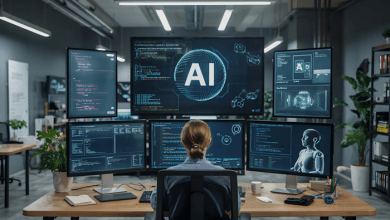

Artificial intelligence is evolving faster than ever, and businesses are reaping the benefits. Automation is no longer limited to simple rule-based workflows—it now includes intelligent agents that can communicate, learn, and adapt. As industries adopt digital-first strategies, AI-powered automation is reshaping how organizations operate, respond to customers, and make decisions.
One of the most powerful innovations driving this change is AI Agent Automation Software. These intelligent systems go beyond traditional bots, using natural language processing, machine learning, and decision-making capabilities to automate complex tasks with human-like responsiveness. From handling customer service inquiries to managing backend workflows, AI agents are becoming essential tools for modern enterprises.
1. Autonomous Decision-Making in Real Time
One of the most exciting developments in AI agent automation is the ability for systems to make independent decisions based on real-time data. Instead of simply following pre-defined scripts, agents can analyze context, assess risks, and take action without human intervention.
This empowers businesses to respond to events faster, reduce bottlenecks, and deliver consistent results—even in unpredictable scenarios. By continuously learning from new data, these AI agents become more accurate and efficient, further enhancing operational agility and decision-making. You’ll also see growing emphasis on using conversational analytics to better understand and refine how AI agents interact with users by extracting insights from real conversations, such as customer intent and sentiment. This kind of analysis helps teams identify trends and optimize workflows based on actual conversational data rather than surface-level metrics, making automation more adaptive and contextually aware.
2. Hyper-Personalization at Scale
Customer expectations have shifted dramatically. Generic communication no longer works—people want relevant, timely, and tailored interactions. AI agents are now capable of analyzing behavioral data, purchase history, and engagement patterns to deliver hyper-personalized experiences across channels.
Whether it’s sending a targeted product recommendation or initiating follow-up messages based on previous interactions, AI agent automation ensures customers feel understood and valued. This level of personalization improves customer satisfaction, increases conversions, and strengthens brand loyalty.
3. Seamless Integration with Enterprise Systems
Another emerging trend is the seamless integration of AI agents with enterprise platforms such as CRMs, ERPs, and marketing automation tools. This integration enables real-time data exchange between systems, which helps AI agents deliver accurate, up-to-date responses and actions. It also ensures consistent information across departments, eliminating data silos and improving cross-functional collaboration.
4. Voice-activated AI Agents
The rise of voice technology is extending into automation. Voice-activated AI agents are becoming increasingly common, particularly in industries like healthcare, logistics, and field services, where hands-free operation is beneficial. These agents can schedule meetings, take notes, provide updates, and even assist with technical support—all via spoken commands.
Voice integration also enhances accessibility, making it easier for teams to interact with systems while multitasking. As natural language understanding continues to improve, voice-first interfaces will become more accurate and widely adopted.
5. Continuous Learning and Self-Optimization
AI agents today do more than just complete tasks—they learn and improve along the way. Thanks to machine learning, they can assess their own performance, adjust their strategies, and deliver better results over time. This means businesses can streamline operations without constantly needing to update or retrain the system manually.
For example, an AI sales agent might analyze past conversion data to adjust its approach to future leads. Over time, it becomes more effective at engaging prospects and closing deals, offering compounding returns with minimal human input.
The pace of innovation in AI automation is accelerating, and staying informed about these trends is crucial for business leaders looking to stay competitive. From real-time decision-making to personalized customer journeys and voice-powered workflows, the future of automation is intelligent, adaptive, and deeply integrated. By adopting AI Agent Automation Software, companies position themselves for greater efficiency, stronger customer engagement, and scalable growth. As these tools continue to advance, they will unlock entirely new levels of productivity—and those who embrace them early will lead the way.