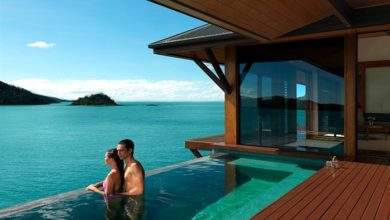
Australia is a land of striking beauty, from vibrant cities to stunning natural wonders. Its diverse landscapes include deserts, rainforests, and the iconic Great Barrier Reef. Home to the largest coral system in the world, it attracts visitors who dive into its colourful underwater life in its crystal-clear waters.
If you are looking for unforgettable experiences, then the agencies offering luxury tours to Australia provide private access to the Great Barrier Reef. Enjoy private charters for custom-made adventures that blend comfort and spectacular ocean views for the ultimate escape.
Why Private Charters Shine
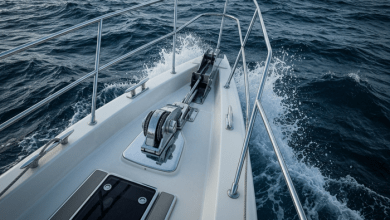
Private charters are luxury tours that truly shine. You will have a boat only for your group, with guides who show you hidden spots. Snorkel vibrant corals or dive with schools of fish in peace.
These trips are suited for families, couples, or friends. Operators provide gear, meals, and safety kits. This is a high-end service out of Cairns or Port Douglas bases.
Dry Season Leads the Way
May to October is considered the dry season, which is when the best time for a private Great Barrier Reef charter occurs. Sunny skies, warm days at 25°C, and low rainfall are expected. Water remains clear at 20-25 meters’ visibility, ideal for turtle and ray spotting.
June to August is one of the best times to visit; sunny days, perfect waves, and the chance to see humpback whales up close. If you’re planning luxury tours of Australia during school holidays, booking early ensures you don’t miss out on the best spots.
September and October have softer crowds with still-great weather.
Seas remain calm for smooth rides out to the outer reefs, while the water warms up, making long swims comfortable.
Wet Season Trade-Offs
The wet season is from November to April; the days are hot at 30°C, with short rains. Fewer people translate to cheap rates for private charters. The water reaches 28-29°C, ideal for some.
Some drawbacks include murky water from runoff and jellyfish from December. Storms rough up seas, but many operators run trips. Coral spawning in November dazzles at night.
Choose this time if either budgets rule or you chase quiet spots. It suits brave souls who are okay with iffy weather.
What to See by Month
Each month brings unique draws for private charters.
- May-June: Clear water starts; early manta rays appear. Low humidity eases long days.
- July-August: Humpback whales breach; divers love steady currents.
- September: Turtles nest; calm seas, relaxed sails.
- October: Pre-wet warmth; top visibility before rains.
- November: Coral spawn glow; lush greens onshore.
- December-March: Hatchling turtles race to sea; warmest swims.
Factors to Consider
- Crowds peak during the dry winter months, but private charters avoid the lines at each site. Check tides for best snorkel spots; low tide reveals shallows.
- The budget dips in the wet season, with fuel costs rising with the winds. Families note stinger suits from November.
- Operator experience counts. Choose those holding outer reef permits for the best coral.
- Health rules apply: No recent flights for dives. Sunscreen and hats beat UV rays year-round.
Booking Smart Tips
- Book ahead, 3-6 months, for dry season slots; ask about inclusions like lunch and wetsuits.
- Compare sizes- smaller yachts for intimacy, bigger for groups. Read the reviews for calm-weather guarantees.
- Weather apps track tides; east winds smooth seas. Flex dates beat storms.
Key Takeaways
- Dry Season (May-Oct) Wins for Charters: Clear water, calm seas, and peaks of wildlife.
- June-August is best for whales; book luxury tours in Australia early.
- The wet season saves cash but risks rain; go if crowds scare you.
- Always check jellyfish seasons and tides for safe fun. Private charters bend to your needs; they are the best option for Great Barrier Reef magic.