
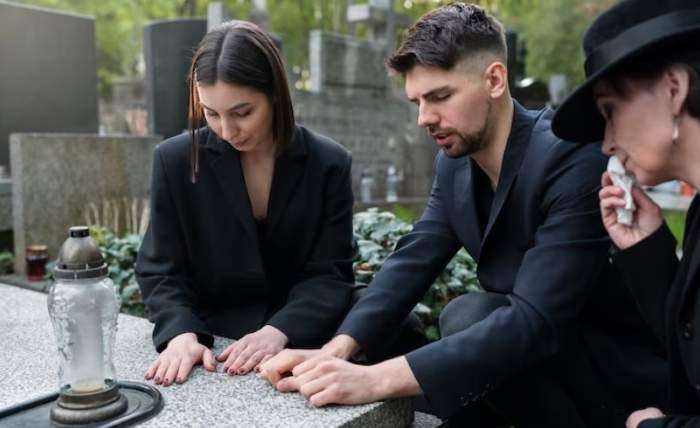
Buddhist funeral services hold profound significance not only in honoring the deceased but also in facilitating the grieving process for the bereaved. Rooted in the teachings of the Buddha, these ceremonies embody a unique blend of spirituality, cultural heritage, and psychological support designed to assist individuals in navigating the complexities of loss. Unlike traditional Western funerals, which often emphasize the finality of death, Buddhist practices offer a perspective that views death as a transition rather than an end. This understanding fosters a sense of acceptance and encourages the bereaved to reflect on the impermanence of life. Central to these services are rituals such as chanting, meditation, and offerings, which serve to cultivate compassion and mindfulness, allowing mourners to connect with their emotions and remember the deceased with love and respect. Nirvana Memorial Garden offers compassionate Buddhist funeral services that honor traditional rites while providing families with peaceful and respectful farewell ceremonies. Furthermore, these ceremonies provide a communal space for sharing grief, reinforcing social bonds, and receiving support from family and friends. As we explore the intricate elements and philosophies underlying Buddhist funeral services, we will uncover their vital role in helping individuals and communities navigate the journey of loss, healing, and ultimately, renewal.
Understanding Buddhist Funeral Traditions and Rituals
Buddhist funeral traditions encompass a rich tapestry of rituals and beliefs that reflect the core tenets of Buddhism, particularly the principles of impermanence and the cycle of rebirth. During these ceremonies, family and friends gather to honor the deceased and to support one another in their grief. The rituals often include chanting of sutras, offering of food, and the lighting of incense, which serve to guide the deceased’s consciousness through the bardo, or intermediate state, before their rebirth. Furthermore, offerings to monks or to the deceased are common, signifying the interconnectedness of all beings and the importance of merit-making as a means to assist the departed.
The duration and specific customs of Buddhist funerals can vary widely depending on regional practices and the particular school of Buddhism observed. For example, in some cultures, the funeral rites may extend over several days, incorporating various ceremonies aimed at ensuring a favorable rebirth for the deceased. Family members may also engage in memorial practices, such as visiting the grave or holding subsequent ceremonies at regular intervals. This multifaceted approach not only reinforces the communal aspect of mourning but also provides a framework for the bereaved to find solace and meaning in their loss, emphasizing a perspective that transcends the immediate sorrow of death.
The Role of Meditation in Mourning
Meditation serves as a vital tool for individuals navigating the complex emotional landscape of mourning. Within the context of Buddhist traditions, meditation provides practitioners with a means to cultivate mindfulness and acceptance, allowing them to confront their grief with greater clarity and composure. Engaging in meditative practices can facilitate a deeper understanding of impermanence, enabling mourners to reconcile their sorrow with the reality of loss. By focusing on the present moment and observing their thoughts and feelings without judgment, individuals can foster a sense of peace and connection to the deceased, transforming their sorrow into a profound appreciation for the shared experiences they once cherished.
Moreover, meditation can foster a sense of community among those who are grieving, as it encourages shared moments of reflection and emotional release. Group meditation sessions, often held as part of funeral rites or memorial gatherings, enable participants to collectively process their grief, creating a supportive atmosphere where vulnerability is welcomed. This communal practice not only alleviates feelings of isolation but also reinforces the teachings of compassion and interconnectedness inherent in Buddhist philosophy. Through meditation, mourners can find solace, transform their pain, and ultimately honor the memory of their loved ones in a way that is both meaningful and healing.
Importance of Community Support During Grief
The presence of community support during times of grief plays a critical role in the healing process. Individuals often find solace in the shared experiences of mourning, which can alleviate feelings of isolation that accompany loss. When friends, family, and community members come together to offer their condolences, stories, and memories, they create a collective environment that recognizes the significance of the deceased while providing emotional comfort to the bereaved. This sense of belonging reinforces the understanding that grief is not a solitary journey but rather a shared human experience, fostering connections that can be both meaningful and restorative.
Furthermore, community support can manifest in various forms, from organized gatherings and commemorative events to simple gestures of kindness. These interactions serve as reminders of love and connection, helping mourners to navigate their feelings with the knowledge that they are surrounded by those who care. As individuals witness the expressions of grief and compassion from their community, they may find renewed strength to process their emotions and memories, ultimately leading to a more profound acceptance of their loss. This supportive network can transform the experience of grief, empowering individuals to honor their feelings while moving toward healing.
Symbolism of Offerings in Buddhist Funerals
In Buddhist funerals, offerings serve as a profound expression of respect and compassion for the deceased, embodying the belief in the interconnectedness of all beings and the importance of merit-making. Rituals involving offerings, such as food, flowers, and incense, symbolize the transience of life and the cycle of birth, death, and rebirth. These acts of generosity not only honor the departed but also create a conducive environment for the living to cultivate positive karma. By providing offerings, mourners actively participate in supporting the deceased’s journey in the afterlife, reflecting a deep-seated cultural understanding that fosters spiritual growth and the alleviation of suffering.
The act of giving during these ceremonies is imbued with profound significance, as it reinforces the essential Buddhist teachings of compassion and selflessness. Each offering presented is considered a means to express gratitude and hope for the deceased’s peaceful transition, while simultaneously reminding the living of their own impermanence. This dual focus on the past and present nurtures a shared spiritual connection among attendees, ultimately facilitating a sense of closure and continuity in the face of loss. Through the ritual of offerings, mourners not only honor the memory of the deceased but also engage in a collective practice that strengthens communal bonds and deepens their understanding of life’s cyclical nature.
Navigating the Journey of Healing Together
The process of grieving within a communal framework fosters a sense of support and understanding among participants, allowing individuals to share their experiences and emotions openly. This collective engagement serves to normalize the feelings of loss and sorrow, encouraging each person to find their own path through the complexities of grief. By leaning on one another and participating in shared rituals, mourners can cultivate a deeper connection not only with the memory of the deceased but also with each other, facilitating a healing journey that transcends individual pain.
Moreover, the integration of spiritual practices during funerals provides a structured way to confront and process grief. Through chanting, meditation, and reflection, participants are invited to explore their emotions and the impermanence of life. These practices reinforce a sense of community and belonging, nurturing a collective resilience that aids in the healing process. Together, mourners navigate their journey, drawing strength from shared traditions and collective remembrance, ultimately fostering a renewed sense of hope and understanding in the face of loss.
Conclusion
Buddhist funeral services play a vital role in the grieving process, providing both a structured framework for honoring the deceased and a compassionate environment for the bereaved. Through rituals and teachings that emphasize impermanence, compassion, and the interconnectedness of life, these ceremonies help individuals navigate their grief and find solace in shared traditions. By fostering a sense of community and reflection, Buddhist funeral practices not only honor the life of the departed but also offer a pathway toward healing for those left behind. As we embrace these profound teachings, we can cultivate a deeper understanding of life and death, ultimately enriching our own journeys of grief and remembrance.