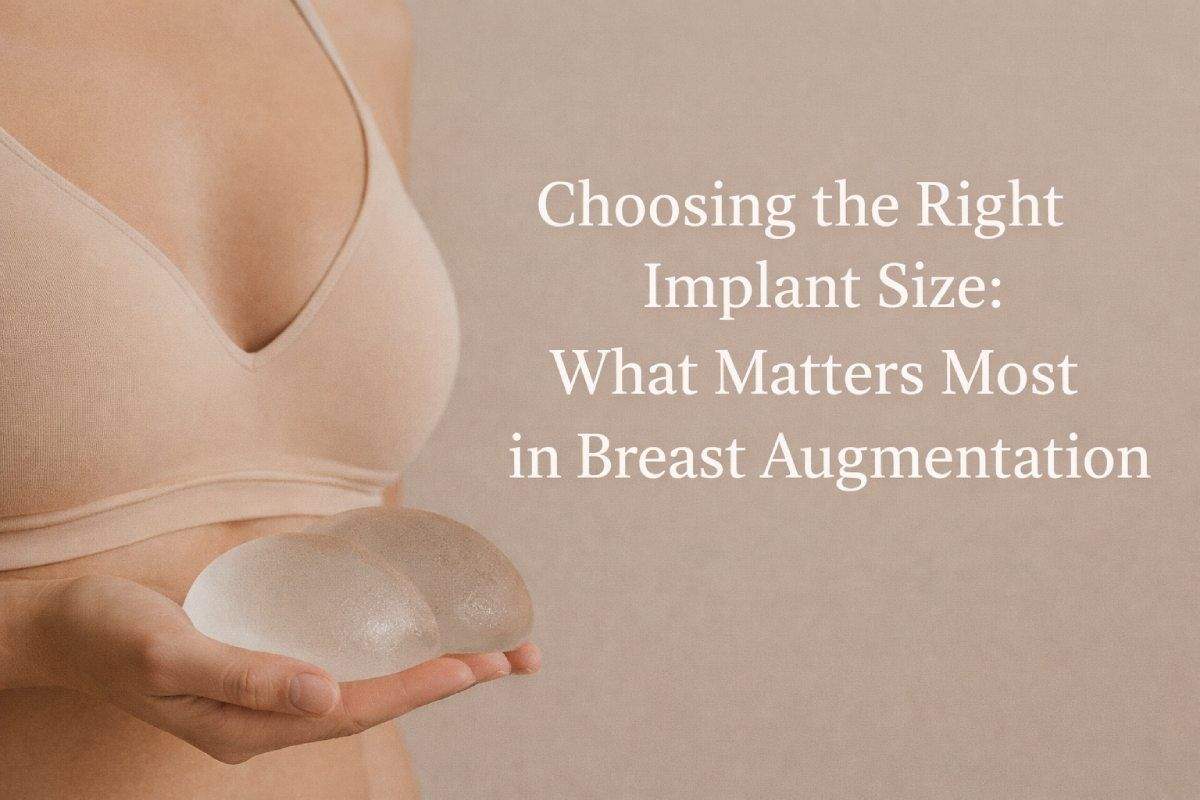
Breast augmentation is one of the most personalized cosmetic procedures available today. While many people initially focus on cup size, choosing the right implant size involves much more than simply going bigger or smaller. The decision affects body proportions, comfort, long-term satisfaction, and overall balance.
This guide explains the most important factors specialists consider when helping patients select implant size.
Looking Beyond Cup Size
Cup size alone is not a reliable measurement when planning breast augmentation. Bra sizing varies significantly between brands, and the same implant volume can look very different on two individuals.
Instead of focusing only on cup size, surgeons evaluate:
- Chest width and ribcage dimensions
- Existing breast tissue
- Skin elasticity
- Shoulder and hip proportions
- Overall body frame
The goal is to create harmony with the patient’s natural anatomy rather than aiming for a specific letter size.
Implant Volume and Measurements
Breast implants are measured in cubic centimeters, commonly referred to as cc. A difference of 50 to 100 cc can noticeably change appearance, but how that volume translates visually depends on the individual’s body.
Important considerations include:
- How wide the implant base is compared to the natural breast base
- Whether the implant projects forward moderately or prominently
- How much natural tissue exists to cover and support the implant
Lifestyle and Daily Comfort
Implant size should also align with lifestyle. Very large implants may affect posture, exercise habits, or comfort during physical activity.
Patients are often asked to consider:
- Their exercise routine
- Professional requirements
- Clothing preferences
- Long-term comfort
Skin Elasticity and Long-Term Planning
Skin elasticity influences how implants settle and how results age over time. Patients with tight skin may initially appear fuller, while those with looser skin may require careful size selection to prevent sagging.
Surgeons assess:
- Stretching from previous pregnancies
- Weight fluctuations
- Existing ptosis, or drooping
- The need for a breast lift combined with augmentation
Implant Profile and Shape
Size is only one part of the decision. Profile and shape significantly influence the final appearance.
Profiles generally range from moderate to high projection. A higher profile projects more forward with a narrower base, while a moderate profile offers a softer, more natural contour.
Additionally, patients choose between:
- Round implants, which provide upper fullness
- Anatomical implants, which mimic the natural breast slope
Trying Before Deciding
Many clinics use sizing sessions or digital simulations to help patients visualize potential outcomes. Trying on implant sizers under clothing can give a realistic sense of proportion.
During consultation, specialists typically:
- Discuss desired aesthetic goals
- Show before and after examples
- Evaluate anatomical limitations
- Explain how different volumes will look
Emotional Readiness and Expectations
Breast augmentation is both a physical and emotional decision. Patients should seek improvement rather than perfection. Understanding that subtle differences in size can create meaningful changes in confidence helps frame realistic expectations.
It is important to remember that:
- Swelling affects early appearance
- Final shape develops over several months
- Larger implants do not automatically mean better results
Choosing the right implant size is about balance, proportion, comfort, and long-term planning. It involves much more than selecting a cup size. Careful evaluation of anatomy, lifestyle, skin elasticity, and personal goals ensures results that feel natural and age gracefully.
Clinics experienced in detailed consultation and personalized planning, including MCAN Health, guide patients through every step of this decision-making process. Those exploring options such as a breast implant Turkey procedure can benefit from understanding how implant size selection plays a central role in overall outcomes.