The past few years turned offices into something closer to a choose your own adventure setting. Companies are still figuring out what inspires people to do their best work, and employees are quick to notice when a space feels like it was designed with human beings in mind instead of spreadsheets. The smallest shifts in layout or color now carry real weight. When people walk into a workplace that feels intentional and warm, they settle in faster, collaborate more comfortably, and stay focused without feeling boxed in. That is why so many organizations are paying attention to design in a way they once reserved for budgets and tech stacks.
The Pull Of Color In Workplace Identity
Color always sends a message even when no one talks about it. Offices that once stuck to a predictable gray palette are now leaning into hues with personality, partly because leaders want spaces that reflect who they are, and partly because employees respond to settings that feel genuinely energizing. Businesses from coast to coast have been turning to professionals who understand how tones can influence mood, which is where painting contractors in San Diego, Richmond or anywhere in between come in with practical knowledge about how different palettes behave in natural and artificial light. A well chosen wall color does more than look nice. It shapes how people move through the day, how they collaborate, and how they interpret the culture of the place paying their salary.
Soft earth tones calm the environment without dulling it. Rich greens add grounded confidence. Even a measured use of brighter accents can spark creative thinking without turning the office into a carnival ride. These choices feel small until people start reacting to the space as if it finally understands what they need from it. Color becomes one of those rare investments where the payoff is both immediate and lasting.
Rethinking Layout To Support Modern Teams
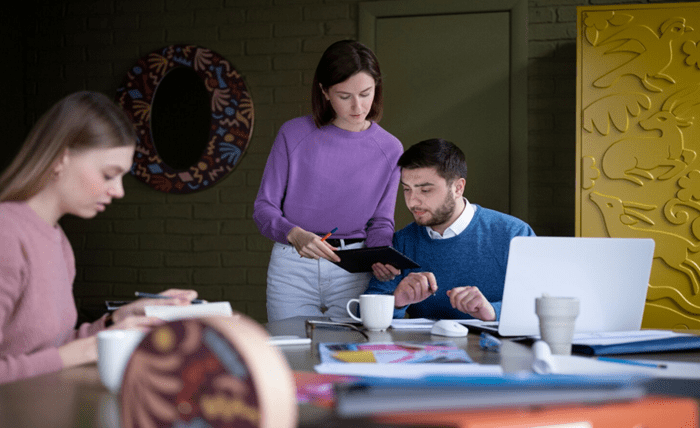
Layout choices used to revolve around fitting as many desks as possible into a room. The priorities have shifted toward making sure people can actually think. That change shows up in how leaders talk about flow, sightlines, privacy, and noise control. A well planned layout supports different work styles without forcing anyone into a single mold. When companies create dedicated zones for deep concentration alongside areas meant for casual teamwork, employees stop feeling like they have to fight the room to get anything done.
Flexibility is the foundation of any good layout now. Furniture that moves easily helps teams shift from solo focus to group activity without feeling like they are rearranging their entire lives. Acoustic strategies matter too since nothing derails a productive moment faster than hearing every cough and keyboard tap within a fifty foot radius. These thoughtful design elements create environments that feel organized enough to be efficient yet relaxed enough to let people breathe.
The Growing Demand For Spaces That Actually Feel Good
Wellbeing used to show up as a framed poster about balance hanging in a break room. Today it has evolved into the heartbeat of workplace design. Natural materials, soft textures, and greenery are not optional extras anymore. When people look around and see something besides a grid of uniform furniture, they feel more grounded. Soft lighting helps reduce eye strain, and intentional pathways cut down on that subtle tension that builds when every movement feels forced.
Designing for wellbeing does not have to turn offices into retreats. It simply respects the fact that people think better when their senses are not overloaded. A space that feels good encourages people to show up with more calm and more creativity, which tends to ripple out into their work in real ways that leaders can actually measure.
Collaborative Energy And The Rise Of Open Workspaces
Many organizations continue reimagining how teamwork happens, which is part of the reason open workspaces still hold a notable place in modern office planning. When done well, these spaces encourage spontaneous conversation and easy access to team members without feeling chaotic. The trick is balancing openness with structure so employees avoid the feeling of being on display.
Open areas work best when companies support them with variety. Small breakout corners allow quick chats that do not disturb the wider room. Thoughtfully placed storage and shared resources keep clutter under control. Sound friendly materials soften the environment so conversations stay contained instead of bouncing around like an overexcited toddler with a drum. When these elements come together, open environments feel collaborative rather than distracting, giving teams a natural rhythm for sharing ideas.
Sustainability Choices Influencing Long Term Design
Environmental awareness is no longer a niche talking point. Companies want spaces that reflect responsible choices, partly because employees value it and partly because it aligns with long term cost savings. Recycled materials, efficient lighting, and low VOC paints help create healthier workplaces without forcing businesses to compromise aesthetics. Many organizations also rethink how they purchase furniture, favoring pieces that last longer instead of quick replacements that land in a landfill before they have lived a full life.
Sustainable design often ends up looking elevated rather than austere. That is because these selections tend to age gracefully. Natural fibers, durable finishes, and energy mindful systems work together to create spaces that feel modern without losing warmth. When employees notice these choices, it sends a subtle message that the company is thinking about its future in a grounded and responsible way.
Workplace design shapes how people feel the moment they step through the door. The conversation has moved far beyond furniture and floor plans into something more human. When leaders treat office design as an extension of their values, employees respond with higher engagement and steadier focus. Thoughtful color, layout, wellbeing choices, collaborative environments, and sustainable materials all contribute to workplaces that support the way people want to work now. Strong design gives everyone a clearer head and a better day, which tends to make the whole system run with a little more ease.