
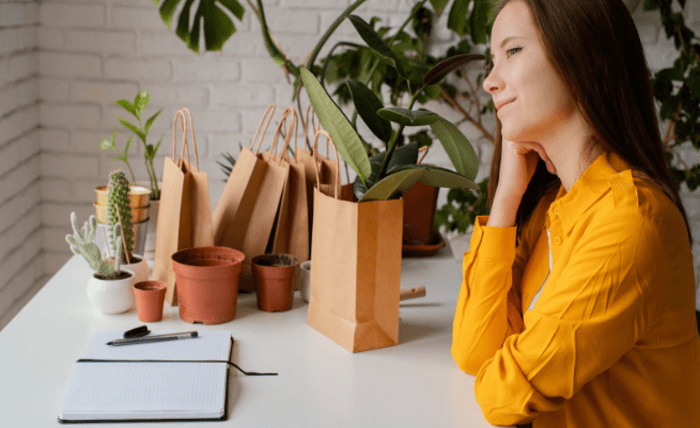
As people become more concerned about protecting the environment, packaging solutions have become very important for both companies and consumers. Switching to sustainable packaging helps the environment and meets consumer desire for eco-friendly options at the same time.
This article goes into great depth about sustainable packaging solutions, such as using biodegradable alternatives to plastic, recyclable packaging, and other new materials. Businesses can improve their brand image and do things that are good for the environment by using these tactics.
What does sustainable packaging mean?
Sustainable packaging is any kind of packaging that has the least negative effect on the earth and its resources. To explore how brands can make their packaging both eco-friendly and appealing, you can check out these Creative Small Business Packaging Ideas, which highlight smart, sustainable approaches for modern businesses. The most important things that make packaging sustainable are:
- Eco-friendly materials: use biodegradable and recyclable packing materials.
- Energy-Efficient Production: means using less energy when making things.
- Zero Waste Approach: putting zero waste packaging at the top of the list to cut down on trash going to landfills.
- Long-Term Viability: Making sure the products last a long time and are good for the environment.
Importance of sustainable packaging
Benefits for the environment
- Less plastic trash ends up in landfills and the ocean.
- Lowers the amount of carbon dioxide released during production and shipping.
Benefits for businesses economies
- Improves the brand’s image and fits with what customers want.
- Lowers costs by using recyclable materials and making designs that work well.
Types of eco-friendly packaging materials
Biodegradable Packaging
Biodegradable materials break down naturally, which is better for the earth. Some examples are
- Cornstarch packaging is a great option to plastic because it is made from maize.
- Mushroom packaging is made from waste food and fungus roots, and it’s great for protecting fragile things.
Packaging that can be recycled
Materials that can be recycled can be turned into new goods, which cuts down on the need for raw materials. For example, cardboard and paper are easily recycled and can be used in many ways. Glass containers last a long time and can be recycled over and over again.
Packaging that doesn’t make waste
This method focuses on getting rid of waste. Some examples are:
- Containers that can be used more than once, like metal tins or glass jars.
- Edible Packaging is made from seaweed or other materials that can be eaten.
Eco-Friendly Alternatives to Plastic
Materials that aren’t made of plastic are very important for lowering waste. Some examples are
- Plant-Based Plastics (PLA), bioplastics made from sugarcane or corn.
- Silicone is a long-lasting, reusable option to plastic that you only use once.
Different types of packaging materials
- Seaweed packing is a new way to package food that is both edible and biodegradable.
- Hemp Packaging is a strong, biodegradable material that can be used in a lot of different ways.
- Packaging made of bamboo is strong, light, and can be broken down naturally.
Sustainable Packaging Solutions for Businesses
Eco-friendly Shipping materials
Use eco-friendly materials like recycled boxes, kraft paper, and bubble wrap that breaks down naturally. To make sure there is a sustainable economy, use recycled packing material.
Build brand recognition
Brands can improve their image by using green packaging with designs that show they care about the environment. Innovative options, such as custom t-shirt packaging and zero-waste boxes are available at Custom Boxes Deals.
Packaging that is light
Cutting down on material use not only saves money but also lowers carbon emissions during shipping.
Alternatives to plastic that break down naturally
If you switch from regular plastics to biodegradable ones, you can help the earth a lot. Popular biodegradable alternatives are PVA Films that can be great for packaging that dissolves. Palm leaf plates are great for food service and look aesthetic too. Bagasse is a solid waste product from processing sugarcane that is used to make strong containers.
Using eco-friendly packaging in your business
Look at the packaging you already have
Check to see how the materials and methods you use now affect the environment.
Pick the right materials
Choose materials that help you reach your sustainability goals, like packaging that is good for the world.
Eco friendly suppliers
Work with suppliers who provide environmentally friendly supplies.
Awareness amongst customers and team
Tell people that you care about the environment and teach them about the benefits.
Problems with Using Eco-Friendly Packaging
- Higher initial costs: Materials that are good for the environment often cost more initially.
- Limited Availability: Some environmentally friendly choices aren’t easy to find in all areas.
- Making people aware of choices: Teaching people what to use instead of plastic can be hard.
Benefits of Green Packaging for Online Shopping and Stores
People like brands that care about the environment, which leads to more purchases.
Following the rules
As environmental laws get rigid, using packaging that isn’t made of plastic makes sure that you follow the rules.
Long-term cost savings
Even though it costs more at first, sustainable packaging often saves money on trash disposal fees and makes things run more smoothly.
Zero Waste Packaging Ideas
- Refillable Containers: Ask customers to return containers so they can be used again.
- Minimalist Design: Cut down on extra packaging to save space and money.
- Compostable Mailers: Use mailers that decompose on their own.
Trends in Sustainable Packaging
The concept of smart packaging is revolutionizing the way products are packaged and consumed, as it incorporates advanced technologies such as sensors and QR codes to significantly reduce waste. This innovative approach not only enhances the consumer experience by providing real-time information about the product but also encourages responsible consumption by allowing users to track the freshness of products.
In recent years, there has been a significant surge in the exploration and implementation of innovative materials derived from plants, particularly focusing on the sustainable potential of algae and hemp. In the context of the circular economy, it is essential to establish a closed-loop system for packaging materials to ensure sustainability and minimize waste. This approach involves designing packaging that can help regarding this.
Conclusion
Businesses that want to do well in today’s eco-friendly market must use sustainable packaging options or risk failing. You can meet customer expectations, follow the rules, and help make the world a healthier place by switching to eco-friendly and biodegradable packaging.