Heavy rain has a way of exposing everything a home tries to hide. Water doesn’t politely stay outside; it travels through soil, gathers along walls, presses against foundations, and slips into spaces that seemed sealed just weeks ago. A dry home during a storm usually comes down to preparation that starts long before the first drop hits the roof. Think about how water behaves during a long downpour. It pools, it seeps, and it builds pressure in places most homeowners rarely check.
Real control comes from understanding how each part of the home interacts with water as it moves from roof to ground and beyond. Rooflines direct it, gutters carry it, soil absorbs or redirects it, and foundations either resist it or allow it in. A home that stays dry usually has several elements working together without drawing attention to themselves.
Basement Water Control
Basements tend to take the first hit during extended rainfall, especially in homes where water gathers around the foundation. A single solution rarely handles everything happening below ground level. Interior drainage channels, proper grading outside, and well-planned discharge routes all play a part in guiding water away before it collects along basement walls. Imagine rainwater slowly building pressure against the foundation after hours of steady rainfall. Without multiple pathways to redirect it, that pressure finds its way through tiny cracks or weak points.
Context matters here because water rarely shows up in one dramatic moment. It builds, then shows up where it’s least wanted. However, a sump pump drainage can prove helpful here. But what is a sump pump drainage system? A sump pump collects water that reaches a certain point, then pushes it away from the home through a discharge line. Pairing that with grading that slopes away from the house and interior channels that guide water toward the pump creates a system that works as a team. Without that coordination, water can circle right back or gather in areas that were never meant to handle it, which defeats the whole purpose of having a pump in place.
Sealing Foundation Walls
Foundation walls sit in constant contact with soil that changes character during heavy rain. Dry soil allows airflow and movement, while soaked soil presses tightly against concrete surfaces. This pressure brings moisture along with it, searching for pores, cracks, or uneven surfaces to slip through. Waterproof coatings act as a protective layer that sits between the foundation and the saturated soil. Modern options stretch slightly instead of turning brittle, which helps them stay intact even as temperatures shift or minor settling occurs. A well-coated foundation doesn’t absorb moisture the way untreated concrete does, which changes how water interacts with the entire structure.
Application plays a big role in how effective those coatings are. Skipping areas or applying uneven layers leaves behind weak spots that water quickly finds. A properly coated wall creates a consistent surface that discourages moisture from settling or penetrating.
Using Raised Thresholds
Entry points often become unexpected trouble spots during heavy rainfall. Water flowing across driveways, patios, or walkways doesn’t need much space to slip under a door. Even a thin stream can make its way inside if the doorway sits level with the surrounding surface. Raised thresholds create a simple but effective barrier that blocks the path. A slight elevation at the base of a door changes how water approaches the entry, forcing it to stay outside instead of gliding straight into the interior flooring.
Think about a garage during a heavy downpour where water starts moving across the driveway and collects near the door. Without a raised edge, that water can creep inside and spread across the floor before anyone notices. Adding a threshold changes that interaction completely.
Positioning Downspouts
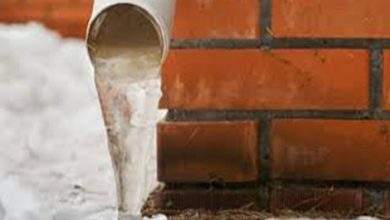
Downspouts control where all the water from the roof ends up, which makes their placement more important than many homeowners realize. A short downspout that releases water right next to the foundation can quietly create a problem during heavy rain. Large volumes of water collect at the base of the home, saturate the soil, and increase pressure against the walls. Extended outlets change that outcome by carrying water farther away, giving it space to disperse without affecting the structure. The difference becomes obvious during a storm, where one side of a home stays dry while another deals with pooling simply because of how water gets released.
Picture rain pouring off the roof for hours, with gutters feeding straight into downspouts that drop water a few inches from the wall. Soil in that area becomes soaked quickly, and any existing drainage struggles to keep up. Now imagine that same setup with extensions directing water several feet away toward a slope or drainage area. Water spreads out instead of concentrating in one spot.
Roofing Materials
Roofing takes the direct impact of every storm, which means material choice influences how well a home handles prolonged rainfall. Some materials absorb moisture or wear down faster under constant exposure, while others maintain their structure and guide water efficiently toward drainage systems. A roof designed for heavy rain keeps water moving without allowing it to settle or seep beneath the surface. Shingles, tiles, or metal panels that resist water buildup reduce the chances of leaks forming in hidden areas like underlayment or roof decking.
Installation plays just as much of a role as material selection. Overlapping patterns, secure fastening, and proper sealing around joints all contribute to how the roof handles rainfall. Consider a scenario where rain hits continuously, and water flows across the roof in sheets. A well-installed system channels that flow smoothly toward gutters, while a poorly installed one allows water to creep into seams or lift edges.
Installing Vapor Barriers in Crawl Spaces
Crawl spaces often stay out of sight, which makes them easy to overlook during discussions about moisture control. Ground beneath a home holds moisture that rises upward, especially after heavy rainfall saturates the soil. Without a barrier, that moisture enters the crawl space and lingers in the air and surrounding materials. Damp conditions develop beneath the home, which can affect flooring, insulation, and even the air circulating inside living spaces. A vapor barrier acts as a physical layer that separates the ground from the structure above, limiting how much moisture can travel upward.
Visualize a crawl space after several days of rain where the soil remains damp, and the air feels heavy. Without protection, that moisture slowly spreads into wooden beams and insulation. A properly installed vapor barrier covers the ground and sometimes extends up the walls, creating a controlled environment underneath the home.
Keeping a home dry during heavy rainfall comes down to how well each part of the structure handles water movement, from the roof all the way to the ground beneath it. Thoughtful planning, regular upkeep, and a few strategic additions create a system that manages water without constant attention.