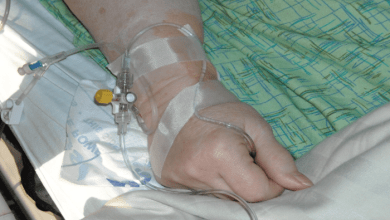

Medical emergencies involving severe illnesses often arrive without warning, placing physical, emotional, and financial strain on individuals and families. Critical care illness insurance is designed to provide financial relief during these challenging times, offering support beyond standard medical coverage. This form of protection enables policyholders to manage treatment expenses, household obligations, and recovery needs without depleting their savings or disrupting long-term plans.
Rising healthcare costs and longer recovery periods have increased awareness around specialized insurance solutions. Critical care illness insurance responds directly to these challenges by offering targeted financial assistance at the moment it is most needed.
Critical care illness insurance provides financial assistance when a policyholder receives a diagnosis for a serious medical condition listed within the policy. Instead of reimbursing individual medical bills, this coverage delivers a cash payout that can be used freely. Hospital fees, rehabilitation costs, income replacement, or family support expenses may all be addressed using this benefit.
This type of insurance operates independently from standard health insurance. Traditional medical policies usually pay hospitals or healthcare providers directly. Critical care coverage places funds directly into the hands of the insured, allowing broader financial flexibility during recovery.
Core Components of Critical Care Illness Insurance
Conditions Covered
Policies outline a defined list of illnesses that qualify for a payout. Common inclusions involve cancer, stroke, heart attack, major organ failure, and life-altering neurological conditions. Coverage details vary among providers, making careful review of policy wording necessary prior to enrollment.
Payment Structure
Most policies provide a single lump-sum payment once a covered diagnosis is confirmed. Some plans offer staged payments aligned with disease progression or treatment milestones. This structure allows policyholders to manage expenses according to personal circumstances.
Waiting Period
A waiting period applies between diagnosis confirmation and benefit eligibility. This timeframe exists to prevent claims for pre-existing or early-diagnosed conditions. Understanding this interval avoids misunderstandings during the claims process.
Policy Continuation
Renewal terms outline whether coverage continues annually or ends at a predetermined age. Some plans maintain coverage regardless of health changes, offering long-term reassurance for policyholders.
How Critical Care Illness Insurance Works
Once a covered illness is diagnosed by a qualified medical professional, documentation is submitted to the insurer. After verification, the benefit payment is released according to policy terms. No restrictions dictate how funds must be spent, granting freedom to prioritize treatment, recovery, or daily living needs.
This structure distinguishes critical care illness insurance from hospitalization plans or medical reimbursement schemes. The payout supports both medical and non-medical costs during recovery, addressing financial challenges that extend beyond hospital walls.
Distinction Between Critical Care Insurance and Health Insurance
Health insurance typically covers medical treatments, doctor consultations, hospital stays, and prescribed medications. Payment flows directly to healthcare providers under policy guidelines.
Critical care illness insurance focuses on financial relief following diagnosis. Funds may support income gaps, rehabilitation services, travel for treatment, home modifications, or family assistance. These two forms of coverage complement one another rather than replace each other.
Rising Demand for Critical Care Illness Protection
Increasing Medical Diagnoses
Medical data reflects a steady rise in serious illnesses across various age groups. Factors such as lifestyle habits, genetic predisposition, and environmental exposure contribute to these trends. Younger individuals now face risks previously associated with later stages of life.
Financial Consequences of Severe Illness
Treatment costs often extend beyond hospital bills. Long recovery periods may limit earning capacity, increase caregiving expenses, and require ongoing therapy. Without targeted protection, savings depletion becomes a common outcome.
Emotional and Lifestyle Impact
Serious health diagnoses influence emotional well-being, family dynamics, and daily routines. Financial pressure compounds emotional stress, affecting recovery and long-term quality of life. Insurance support reduces this burden, allowing focus to remain on health improvement.
Common Errors to Avoid
Many individuals underestimate coverage needs or rely solely on employer-provided insurance. Others overlook policy definitions, assuming broader coverage than provided. Failure to disclose medical history accurately may affect claim eligibility. Taking time to review policy documents thoroughly reduces such risks.
Advantages of Critical Care Illness Insurance
Financial Stability
Insurance payouts protect savings and investments during extended treatment or recovery. This support maintains household stability during uncertain periods.
Emotional Reassurance
Financial preparedness brings peace of mind to both policyholders and their families. Reduced financial anxiety contributes positively to emotional resilience during health challenges.
Flexible Use of Funds
Funds may support medical care, daily expenses, childcare, loan repayments, or rehabilitation services. This flexibility adapts to individual circumstances rather than imposing restrictions.
Choosing a Suitable Critical Care Illness Insurance Plan
Coverage Scope
Policyholders benefit from reviewing covered conditions carefully. Broader coverage offers greater reassurance across a wider range of diagnoses. Definitions and exclusions should align with personal risk profiles.
Benefit Amount
The selected payout should reflect income levels, lifestyle expenses, and existing financial commitments. Adequate coverage replaces lost income and supports extended recovery periods.
Waiting and Survival Clauses
Some policies require the insured to survive a set number of days following diagnosis before benefits activate. Familiarity with these clauses prevents unexpected claim delays.
Provider Reputation
Financial strength, claim transparency, and customer service quality play significant roles in policy reliability. Researching provider performance history supports confident decision-making.
Closing Perspective
Serious medical conditions bring uncertainty that extends beyond physical health. Critical care illness insurance addresses financial challenges tied to recovery, lifestyle adjustments, and long-term planning. Through structured payouts and flexible usage, this coverage offers reassurance during unpredictable moments.
Preparing ahead strengthens resilience against future health challenges. With thoughtful selection and informed understanding, critical care illness insurance becomes a meaningful safeguard for financial stability and peace of mind.