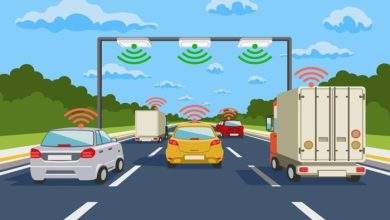

The automotive landscape is undergoing a profound transformation, driven largely by the exponential growth of data. From vehicle telematics to sophisticated risk assessment models, the ability to collect, analyze, and interpret information about driving behavior and vehicle usage is fundamentally changing how insurance companies operate and, consequently, how drivers are protected. This shift represents more than just a technological upgrade; it’s a fundamental re-evaluation of risk, impacting everything from premium calculations to preventative safety measures. This article explores the burgeoning role of data in shaping the future of vehicle protection, particularly within the context of the Houston metropolitan area.
The Rise of Data-Driven Insurance
Traditional car insurance relied heavily on static factors – age, driving history, vehicle type, and location – to determine risk. While these elements remain important, they represent a limited, often reactive, view of an individual’s driving profile. The advent of connected vehicles and smartphone applications has created a deluge of real-time data, offering insurers a much richer and more dynamic understanding of risk. Telematics devices, installed in vehicles, track parameters such as speed, braking habits, acceleration, and even time of day driven. This data, combined with location information and usage patterns, paints a far more granular picture than traditional methods. Furthermore, data from smartphone apps – tracking mileage, routes, and even driver behavior during navigation – contributes to a continuously updated risk profile.
Houston’s Unique Data Environment: Urban Density and Traffic Patterns
Houston presents a particularly interesting case study for this data-driven evolution of insurance. The city’s significant urban density, coupled with notoriously heavy traffic patterns, generates a massive volume of data related to vehicle movement and potential accident scenarios. Analyzing this data – specifically, information regarding congestion hotspots, frequent routes taken, and typical driving speeds – allows insurers to tailor coverage and pricing to reflect the specific risks prevalent within the city. Predictive analytics, utilizing this Houston-specific data, can identify areas with a higher probability of accidents and potentially offer targeted safety programs to drivers operating in those zones. Understanding the unique flow of traffic, influenced by events like the Reliant Energy Reliant Park and the Houston Livestock Show & Rodeo, further enhances the predictive capabilities.
Risk Assessment Beyond the Driver: Vehicle-Specific Data
The influence of data extends beyond the driver themselves. Insurance companies are now increasingly incorporating vehicle-specific data into their risk assessments. Vehicle maintenance records, repair history, and even the make and model of the car contribute significantly to the overall risk profile. Data from vehicle tracking systems can reveal usage patterns – for example, frequent long-distance commutes or off-road driving – which can dramatically impact insurance premiums. This shift reflects a recognition that a newer, well-maintained vehicle poses a lower risk than an older, neglected one, regardless of the driver’s experience.
The Role of Predictive Analytics and Machine Learning
The sheer volume of data generated necessitates sophisticated analytical tools. Predictive analytics, often powered by machine learning algorithms, allow insurers to identify patterns and predict future risks with greater accuracy. These algorithms can analyze vast datasets to determine the likelihood of an accident, taking into account a multitude of variables beyond traditional risk factors. For example, machine learning can identify correlations between specific driving behaviors (e.g., distracted driving near school zones) and the increased risk of collisions. The ability to continuously refine these models based on new data ensures that risk assessments remain current and responsive to changing conditions.
Navigating the Challenges: Privacy and Data Security
The increasing reliance on data also raises important concerns about privacy and data security. Insurers must operate within strict ethical guidelines and comply with data protection regulations. Transparency regarding data collection practices is paramount, and drivers must have control over the information being shared. Robust security measures are essential to protect sensitive data from breaches and misuse. Furthermore, ensuring that data is used responsibly and ethically – avoiding discriminatory practices based on driving habits – is crucial for maintaining public trust.
The Future of Protection: Personalized Coverage and Proactive Safety
Looking ahead, the integration of data is poised to revolutionize the entire insurance experience. Personalized coverage plans, tailored to individual driving profiles and risk tolerances, will become increasingly common. Insurers may offer incentives for adopting safer driving habits, such as discounts for enrolling in telematics programs or completing defensive driving courses. Furthermore, data could be used to proactively identify potential safety hazards and provide drivers with real-time alerts – for instance, warning of impending congestion or suggesting alternative routes. The ability to shift from reactive claims processing to proactive risk mitigation will be a defining characteristic of the future of car insurance Houston and the broader automotive insurance industry. The ongoing development of technologies like autonomous driving will undoubtedly further accelerate this trend, creating new opportunities and challenges for insurers.