
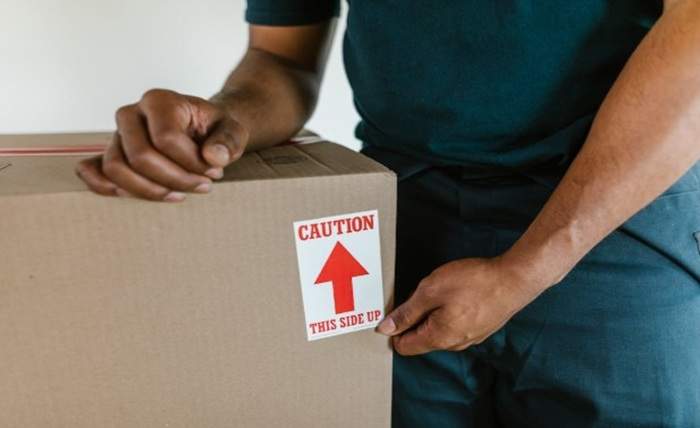
Packing rarely begins when it should. People wait, then rush, then regret it halfway through when boxes pile up and nothing is labeled right. Start earlier than your instinct says. Not weeks maybe, but days ahead at least. Walk through each room, pause, notice what actually needs to move. Some things don’t. Old chargers, cracked containers, clothes you forgot existed—drop them. Less stuff means less chaos later; simple math, but ignored often.
Use what you already have before buying supplies. Suitcases, bags, even laundry baskets—they carry weight just fine. Boxes help, sure, but they’re not sacred. Mix it. Wrap fragile items in clothes or towels; saves space, reduces waste. Newspaper works, but it leaves marks sometimes. Bubble wrap is cleaner but costs more. Trade-offs. You decide.
Packing Is Sorting, Not Just Filling
People think packing is stuffing items into boxes. It isn’t. It’s sorting under pressure. You choose what matters while time moves faster than expected. Group items loosely by function, not perfection. Kitchen stuff together, mostly. Office things—roughly. Don’t overthink categories or you stall.
Heavy items go in small boxes. Always. Books especially. Put them in big boxes and you’ll regret it halfway to the truck. Light things in large boxes; pillows, linens, that random decor piece you forgot you owned. Weight balance matters more than neatness.
Labeling—do it immediately, not later. You won’t remember. Write on the sides, not just the top. Mark fragile clearly, but don’t assume it will be handled gently. It won’t always be.
At some point, maybe around this stage, you might speak to a local moving company to understand timing, cost, how they work. Information reduces friction.
The “Essentials” Box Isn’t Optional
Pack a box you don’t seal until the last minute. Then keep it with you, not in the truck. This is your survival kit. Chargers, basic tools, toiletries, a change of clothes, important papers. Maybe snacks. Maybe medication—actually, definitely medication. People forget this, then spend their first night digging through boxes at 1 a.m. Not ideal.
Think of your first 24 hours in the new place. What do you need to function without opening everything? That goes in here. Don’t overpack it, but don’t underthink it either.
Fragile Doesn’t Mean Safe
Wrapping fragile items feels like enough. It isn’t always. The way you place them matters more. Plates should stand vertically, not stacked flat. Glasses wrapped individually, then cushioned tightly so they don’t shift. Movement breaks things, not just impact.
Boxes should be full but not crammed. Empty space invites shifting; overfilling causes pressure cracks. There’s a narrow balance—annoying but real.
Tape the bottom of boxes properly. Not one strip. Several, crossing. Weak bottoms fail at the worst moment, usually when someone’s carrying something heavy down stairs.
Don’t Pack Everything at Once
There’s a temptation to clear one room completely before moving to the next. It sounds efficient, but it creates imbalance. You end up with sealed boxes of things you suddenly need again. Instead, pack in layers. Leave out what you still use daily, pack the rest. Then circle back later.
Closets are deceptive. They look simple, but they hide volume. Clothes, shoes, random storage boxes—time sinks. Start there early. Wardrobe boxes help but aren’t essential. Trash bags over hanging clothes work too—quick, cheap, slightly messy but effective.
Furniture Needs Thought Too
Disassemble what you can, but don’t go overboard. Some things are better left intact. Keep screws and small parts in labeled bags—tape them to the furniture if possible. Losing them turns reassembly into a guessing game.
Take photos before taking things apart. Especially anything complicated. Memory isn’t reliable under stress.
Wrap furniture lightly to prevent scratches, not to protect it from everything. Blankets, sheets, even cardboard can work. Plastic wrap helps hold drawers closed; it’s oddly useful.
Timing Is Everything, Almost
Plan your packing around your moving day, but also around your energy. People burn out quickly doing this. Break it into sessions. Short, focused, then stop. Trying to finish everything in one push leads to mistakes—poor labeling, broken items, forgotten essentials.
If you’re working with movers, confirm details a day before. Time, address, any special instructions. Miscommunication happens more often than expected.
The Day Before Feels Strange
By then, most things are packed, but not all. The house looks half-empty, half-chaotic. That’s normal. Do a final sweep. Check drawers, cabinets, behind doors. Small items hide well.
Defrost the fridge if needed. Clean lightly, not deeply. This isn’t about perfection, just leaving things reasonable.
Sleep early if you can. You’ll need it.
Moving Day Is Controlled Chaos
Things won’t go exactly as planned. That’s expected. Stay flexible. Keep important items with you—documents, valuables, essentials box. Don’t load them onto the truck.
Direct, don’t hover. Movers (if you hired them) work better with clear instructions, not constant oversight. If you’re doing it yourself, pace matters. Lift properly. Take breaks. Injuries slow everything down.
Boxes will shift, plans will adjust, something small will go wrong. It’s fine.
Last-Minute Mistakes You’ll Probably Make Anyway
Even with planning, something slips. You’ll tape a box wrong, forget a label, pack something you still need—then open three boxes to find it.
Happens. Keys get misplaced, scissors vanish right when needed. Keep one tool set aside, don’t pack it, seriously.
Some items get shoved together without logic; later you’ll wonder why a pan sits next to bathroom supplies. No clear reason. Fatigue does that.
Accept small errors, don’t fix everything mid-move—it slows you down. Better to finish first, correct later. Mess now, order later. That’s the real rhythm, even if no one says it.
Unpacking Starts Before You Think
Once you arrive, don’t rush to open everything. Place boxes in the correct rooms first. This saves time later. Then open what you need, not what’s closest.
Set up the bed early. It sounds minor, but after a long day, having a place to rest matters more than unpacking the kitchen.
Take it slow. The move doesn’t end when the truck empties. It fades out over days, sometimes weeks.
And that’s okay.