
A single accident can reshape daily life in ways most people do not expect.
What follows in the first hours often decides how smoothly recovery and claims move ahead. Medical checks, small decisions, and early actions quietly set the direction for everything that comes later. Many people only realize this after speaking with experienced personal injury lawyers who often see how early mistakes affect outcomes.
Here is a simple look at what happens after an injury accident in those first hours and why each step taken during that time quietly shapes the path that follows for recovery and claims later.
Immediate Actions After the Accident
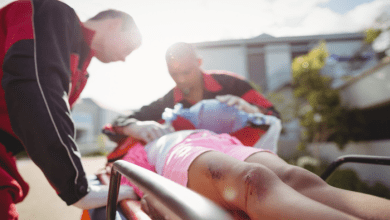
The first actions after an accident are usually simple, but they matter a lot for what follows. Checking for visible injuries and moving away from traffic or danger should come before anything else. Calling emergency services helps create an official record and ensures medical help reaches you quickly.
Even if the situation feels manageable, it is better to stay cautious and wait for help. These early steps prevent confusion later and also make it easier to explain what actually happened during the accident for all parties involved, clearly and properly documented.
Seeking Medical Attention Without Delay
Why early medical care is critical
Medical attention after an accident should never be delayed, even if injuries appear small at first. Some injuries develop slowly and become serious only after several hours or days. A proper check by medical professionals helps identify hidden problems early. This step also ensures there is a clear medical record linked to the accident. Such records often become important later when claims are reviewed or discussed in detail and formally assessed.
Medical records as evidence
Medical records act as a bridge between the accident and the injury claim process. They show the timeline of treatment and help explain how injuries were caused. Without proper documentation, it becomes harder to support a claim later. Clear medical proof reduces confusion and supports the facts of the case. It also helps experienced professionals understand the severity of injuries in a structured and reliable way for better clarity later.
Collecting Evidence at the Scene
Collecting evidence at the accident scene plays a major role in understanding what actually happened. Photos of vehicles, injuries, and surroundings help create a clear picture of the situation. Small details like road condition, weather, or traffic signals can also be important later. Witnesses are also valuable because they provide an outside view of the event.
Weak or missing evidence can make it harder to explain the sequence of events clearly, which is why early collection matters. Even simple things like screenshots or quick notes can help later during discussions about the accident and injuries involved. This early effort often decides how strong the case becomes in later stages.
Reporting and Communication After the Accident
Reporting the accident correctly helps establish an official version of events. A police report often becomes an important document during the claim process. It records details like time, place, and statements from those involved. Without proper reporting, misunderstandings can easily happen later. Insurance companies also review these reports carefully before moving forward with any claim evaluation.
During early conversations with insurers, sticking only to verified facts avoids unnecessary complications. Many problems start when details are shared too quickly or without proper clarity, which later affects how claims are viewed. Careful communication ensures the process stays accurate and easier to manage in the long run. It also prevents confusion later on.
Common Mistakes on the First Day
A few simple mistakes on the first day can affect the entire injury claim later.
- Ignoring minor pain and assuming it will go away
- Not collecting enough photos or witness details
- Giving unclear statements to insurance representatives
These mistakes often happen because people focus only on physical recovery and ignore documentation. However, even small gaps in early actions can create confusion later during claim review and settlement discussions. Careful attention to simple steps can reduce such issues and keep the case clearer over time. This helps avoid long-term confusion later.
How Early Actions Shape the Entire Case
The first 24 hours after an accident often shape the direction of the entire claim. Medical records, evidence, and reports collected early become the foundation of the case. Stronger early documentation usually leads to a clearer understanding of injuries and responsibility.
Weak early actions can make the process slower and less certain later. This is why early steps carry more weight than people usually realize during the recovery period. Everything from documentation to communication plays a role in shaping how the case moves forward. Small early decisions matter later in the process.
Conclusion
Every step taken after an accident carries meaning, especially during the first day. Simple actions like medical checks, evidence collection, and careful communication all work together. When handled properly, the process becomes more organized and easier to follow later. This is why guidance from experienced personal injury lawyers is often helpful in keeping everything aligned from the beginning. It keeps the process clear and steady for future steps ahead.