
An office move feels exciting, but it calls for steady planning and clear steps. Many teams focus on packing boxes and carrying furniture, yet a successful move needs more than that. Little details can grow into big issues when they are not managed early.
A good plan helps people stay calm and work with confidence. It also supports a clean shift from one space to the next. This guide highlights key things to remember so every stage feels easier and more predictable. Care and structure help the whole team move forward without stress.
Early Planning Sets the Right Foundation
A strong start shapes the rest of the move. A simple plan gives everyone a shared sense of direction. A timeline with clear checkpoints helps people understand what happens next and who handles each task. Planning can begin with a list of items that matter most, such as essential equipment, sensitive files, or client-facing tools. Roles feel easier to manage once these items are sorted.
A closer look at current leases, utility rules, and deadlines also helps avoid last-minute surprises. Vendors often need notice before service changes, so early communication supports smooth transitions. A calm pace allows preparation without pressure.
Storage Solutions Help Create Order During the Move
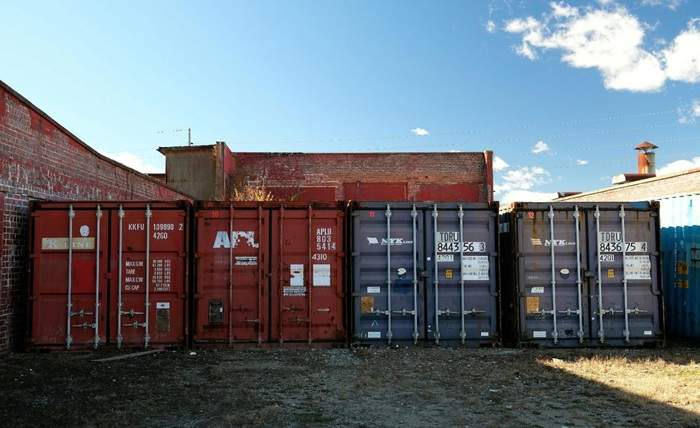
Office items can pile up faster than expected. Extra chairs, old documents, outdated gear, and bulk supplies start to crowd hallways once packing begins. A clear plan for temporary storage keeps everything organized and safe. Extra space helps the management sort what should move, what should stay behind, and what should be removed entirely. For this reason, many businesses turn to portable or mobile storage options during an office move.
A build-up of items also makes daily work harder, so smart storage becomes a practical tool. That’s why businesses look for portable storage for rent options when they need extra room during a transition. It also helps keep costs under control by avoiding long-term storage commitments and reducing unnecessary moving expenses. This option keeps equipment secure and lets people work without stepping over boxes. Calm order goes a long way when the workspace feels unsettled.
Clear Communication Keeps Everyone on Track
A move works best when no one feels confused. Simple updates help everyone know what changes are coming and how to prepare. A shared schedule shows when departments should pack, when movers arrive, and when the new office opens. Clear notes about labeling, sorting, and packing cut down on mistakes.
Clients and partners also appreciate knowing about schedule shifts or brief delays. Transparent communication builds trust and prevents frustration. When people stay informed, the entire team moves together with less stress. Good communication supports teamwork and keeps small issues from turning into large problems.
Equipment and Tech Require Careful Coordination
Office tech needs special care. Computers, phones, printers, and servers hold important work, so each item should be handled with attention. A full backup protects data before anything gets unplugged. Careful labeling helps the IT team reconnect devices without confusion.
Tech systems often link to security tools, network settings, and software access. A short pause in these systems affects daily work, so the team should map out each stage of the transition. Movers and IT staff can work side by side to protect every device. Smooth coordination helps the new office come online quickly, with fewer delays.
New Office Layout Shapes Daily Workflow
A new space should support how people work. The management can review how often they meet, how many quiet areas they need, and how much space each desk requires. A thoughtful layout also prevents clutter and reduces daily friction.
Simple sketches or digital tools help people understand where each item should go. Furniture measurements guide choices before move day. This prevents tight spots, awkward corners, or blocked walkways. A well-planned layout gives the new workspace a natural flow.
Safety Steps Protect Staff and Property
Safety often gets pushed aside during a move, yet it shapes the entire experience. A steady pace and clear steps help everyone stay protected. Simple habits make a big difference, such as keeping walkways open, placing heavier items on the bottom of stacked boxes, and using proper lifting methods. These small actions reduce strain and lower the chance of accidents.
Clear labels also support safety. Boxes marked with “fragile,” “heavy,” or “priority” guide movers and team members so nothing gets dropped or mishandled. Supplies like gloves, carts, and straps prevent slips and support good balance while moving items.
Vendor Coordination Prevents Last-Minute Issues
Moves rely on several outside teams, and each plays a role in keeping things on schedule. Movers handle furniture and equipment, cleaners prepare both locations, and electricians or internet providers help set up vital systems. A smooth move depends on clear coordination with all these services.
A simple checklist supports this process. Dates should be confirmed, arrival times reviewed, and service details checked. It helps everyone know who arrives first and how long each task might take. When vendors understand the full picture, they work more efficiently and reduce waiting time for the team.
Settling Into the New Space Strengthens Morale
A fresh office gives everyone a chance to start with new energy. The settling-in phase shapes how comfortable people feel in the new space. Unpacking can begin with essential items so that daily work continues without interruption. Simple steps such as arranging shared areas, setting up common tools, and adjusting lighting help the space feel familiar.
A short walk-through helps the team notice small issues early. Loose cables, missing supplies, or misplaced furniture can be fixed quickly when everyone knows what to look for. Clear guidance from team leads also supports a calm transition.
An office move feels big, yet it becomes manageable when each step builds on steady planning. Early preparation keeps tasks organized, and clear communication gives the team confidence throughout the process. Storage options create order when items start to pile up, and careful coordination with tech teams protects the systems that support daily work.
A thoughtful layout helps the new office feel purposeful, and safety steps protect people and property. Vendors play a key role in the transition, and smooth collaboration prevents delays. Settling in brings the move full circle and helps the team feel grounded again. A move creates a chance for a fresh start, and a structured approach guides everyone through the shift with calm clarity.