
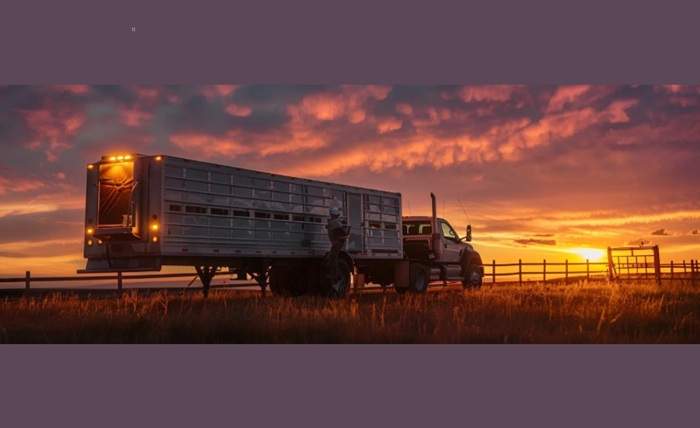
Transporting livestock safely is a significant concern for the agricultural industry. The choice between gooseneck and conventional trailers can greatly influence the safety and welfare of animals during transit. Each trailer type offers distinct safety features and characteristics, affecting their overall performance on the road.
In this article, we delve into the critical differences between gooseneck and conventional livestock trailers. We’ll assess their safety features, maneuverability, load capacity, and maintenance requirements to help you make an informed decision for your livestock transportation needs.
Comparing Gooseneck and Conventional Livestock Trailers: Safety Features in Focus
Gooseneck trailers are known for their enhanced stability and safety, particularly when hauling heavy loads. Their design, which attaches over the towing vehicle’s rear axle, provides a tighter turning radius and improved weight distribution. This setup reduces sway and the risk of accidents, especially on highways and during long-distance travel.
Conventional bumper pull trailers, while more common, may not offer the same level of security under heavy loads due to their hitching point at the rear of the towing vehicle. This can lead to increased trailer sway and decreased control for the driver. Such characteristics must be taken into account when considering the safety of the animals and driver during transportation.
When selecting a trailer for livestock, consider the size and weight of your cargo. gooseneck livestock trailers Go for a gooseneck design if you expect to transport larger animals or greater numbers, as they provide superior balance and control, reducing the likelihood of a dangerous incident.
Maneuverability and Stability on the Road: How Trailer Design Impacts Safety
The design of a livestock trailer plays a crucial role in its road performance. Gooseneck trailers offer excellent maneuverability in tight spaces, such as farms or country roads, and more stability at higher speeds, reducing the chances of a rollover. This facet is particularly valuable when navigating through unpredictable terrain or congested traffic conditions.
Conventional trailers can be more challenging to maneuver due to their longer overall length and the pivot point at the back of the tow vehicle. This can make it more difficult to navigate sharp turns or reverse, potentially causing safety issues if the driver is not experienced. In contrast, with goosenecks, reversing is generally smoother, and their shorter overall length makes them less prone to jackknifing.
To enhance roadway safety when operating either type of trailer, invest in a high-quality towing setup, and ensure you are well-practiced in maneuvering the specific type of trailer you choose. It can also help to install advanced systems such as trailer sway control for added security, especially if you opt for a conventional trailer.
Load Capacity and Distribution: Assessing the Risks for Livestock Transportation
When it comes to transporting livestock, understanding the load capacity and distribution is vital for both the safety of the animals and the longevity of the trailer. Gooseneck trailers tend to offer higher load capacities, which means they can safely carry more animals or heavier breeds without compromising stability.
The way weight is distributed across the axles is also a critical safety concern. Goosenecks typically distribute weight more evenly between the trailer and the towing vehicle, reducing strain on any single part and allowing for a smoother ride. This can result in less stress for the livestock and lower risk of weight-related wear on the trailer itself.
It’s important to regularly check the weight distribution before trips to prevent overloading and ensure all cargo is secured. Correctly balancing your load can significantly improve safety outcomes. Also, consider the flooring and internal dividers within the trailer, as they affect not only the security but also the comfort of your livestock.
Maintenance and Durability Concerns: Evaluating Long-Term Trailer Safety Performance
Long-term maintenance and durability are essential considerations for ensuring ongoing trailer safety. Gooseneck trailers are generally built to withstand higher stress, leading to potentially longer service life and better retention of structural integrity. This resilience means less chances of structural failure, which can have catastrophic consequences during transportation.
Conventional trailers can be easier and cheaper to maintain due to their simple design and readily available parts. However, the wear and tear on these trailers may be more pronounced over time, especially if frequently loaded to capacity. Regular inspections and maintenance are crucial to identify potential issues before they lead to safety hazards.
To extend the lifespan and safety of any livestock trailer, establish a regular maintenance schedule based on manufacturer recommendations and usage patterns. Always inspect tires, brakes, lights, and hitching mechanisms before embarking on a trip to ensure that all components function correctly and comply with safety standards.
Ultimately, the decision between a gooseneck or conventional livestock trailer comes down to specific transportation needs, the type of livestock being hauled, and personal preference. Gooseneck trailers generally offer higher stability, load capacity, and durability, translating to enhanced safety. On the other hand, conventional trailers may appeal to those seeking a more straightforward, cost-effective solution for shorter, lighter hauls. Regardless of your choice, prioritizing maintenance and proper load management will go a long way toward ensuring the safety of your livestock and the longevity of your trailer.