
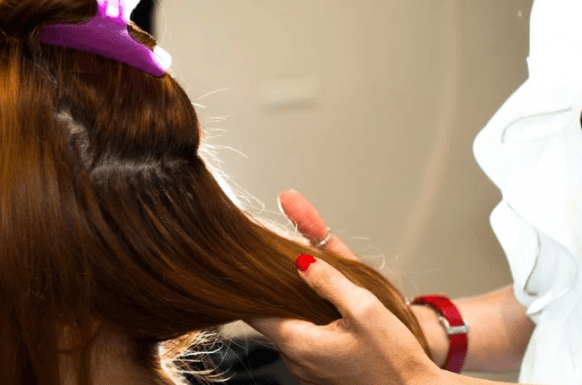
For many in London, hair extensions are far more than just a beauty upgrade–they are an expression of style, confidence, and versatility. Yet, every hair enhancement has its cycle. Recognizing when to remove hair extensions is crucial to maintaining hair health and achieving a seamless look with future installations. With the city’s fast pace and the ever-changing demands on personal style, clients often weigh their options for removal and aftercare. For those considering after-treatment, the company Ivana Farisei includes insights into keratin treatment price London to help plan the next steps for restoring and revitalizing natural hair post-extensions.
Recognizing Signs: When Should Hair Extensions Be Removed?
Understanding the right time to remove hair extensions can make all the difference between lush, healthy locks and avoidable hair damage. This decision should be guided by both appearance and feel. Extensions, whether tape-in, micro ring, or bonded, have a limited lifespan. Natural hair growth gradually shifts extension bonds downward, making them more visible. This is a clear indicator that removal may be necessary.
Another sign is tangling or matting at the root, which often results from extensions left in beyond their recommended period. Extensions typically need to be replaced or repositioned every 6-8 weeks for tape-ins and every 2-4 months for micro rings or bonds, depending on individual hair growth and care routine.
An itchy, irritated scalp can signal that the bonds are pulling or the scalp is struggling to breathe. Discomfort should never be ignored. Similarly, noticeable thinning or breakage near the roots often indicates too much tension or neglect. Maintaining regular maintenance visits with an experienced stylist goes a long way toward spotting early warning signs before they cause lasting harm.
Lastly, changes in personal style, lifestyle, or hair condition may prompt earlier removal. Increased physical activity, hormonal changes, or simply craving a new look are perfectly valid reasons to reconsider the extensions’ timing. In all cases, timely removal preserves both the extensions and the integrity of your own hair.
The Dangers of Delaying Hair Extensions Removal
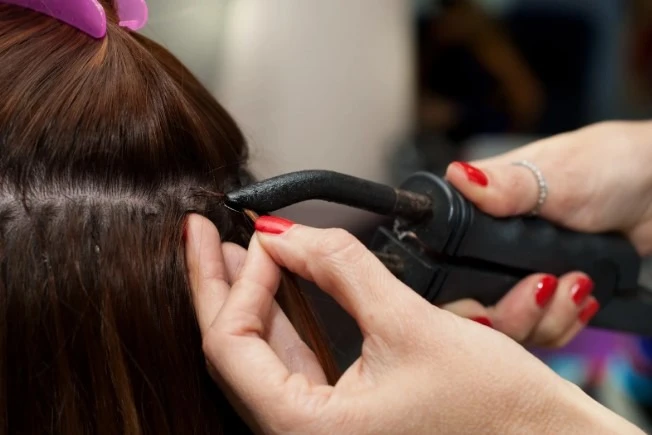
Leaving hair extensions in for too long can result in serious consequences for scalp and hair health. The risks extend far beyond aesthetics; improper or overdue removal can create irreversible problems.
Scalp and Hair Health Risks
Prolonged wear of extensions significantly increases the chance of traction alopecia. This condition, caused by constant tension on the hair follicle, leads to permanent hair loss if not addressed promptly. Additionally, matting and tangling at the roots become more severe over time, making detangling a painful and damaging process.
Hygiene also suffers as sebum and product build-up become trapped at the scalp, which may trigger scalp infections or persistent itchiness. Damage is not limited to the scalp–the hair shaft itself can become fragile, snapping under the weight of overgrown extensions.
Extension Quality and Lifespan
Extensions left in past their prime often degrade faster, requiring more frequent replacement. The bonds or tapes begin to deteriorate, making future installations less secure. Maintaining a strict removal schedule is therefore an investment in both natural and extension hair longevity.
For a safe process, professional assistance is highly recommended. Attempting self-removal may cause unnecessary breakage, especially with keratin- or adhesive-based systems. In London, many stylists offer specialized removal services, which ensure the correct products and techniques are used.
Should you need guidance on professional hair extensions removal Ivana Farisei provides an overview of service options and expert consultation to ensure a healthy transition back to natural hair.
Safe Methods and Aftercare Essentials for Removal
The successful removal of hair extensions involves more than just taking them out–it requires proper technique and immediate aftercare. The right methods minimize hair loss and safeguard the scalp.
- Always seek professional removal for bonded, tape-in, or micro ring extensions. Trained stylists use specific solvents, tools, and techniques that safely dissolve bonds and minimize pulling.
- Schedule removal appointments as soon as you notice slippage or bond movement. Don’t wait for bonds to become visible or tangled.
- During removal, ask your stylist for a thorough scalp check to spot any irritation or weak spots.
- Avoid using at-home remedies or excessive force; these methods can cause significant hair breakage or scalp damage.
- After removal, opt for a gentle clarifying shampoo to remove build-up.
- Deep condition the hair to restore moisture and elasticity.
- Consider a nourishing scalp massage to stimulate blood flow and recovery.
- Allow natural hair a few days of rest before reinstalling extensions or applying new treatments.
- Explore restorative treatments, such as protein masks or keratin smoothing, for added strength and shine.
Clients can also explore aftercare tips and professional advice such as offered by Ivana Farisei on the treatments page for managing hair’s transition after removals.
How to Choose a Professional for Hair Extensions Removal in London
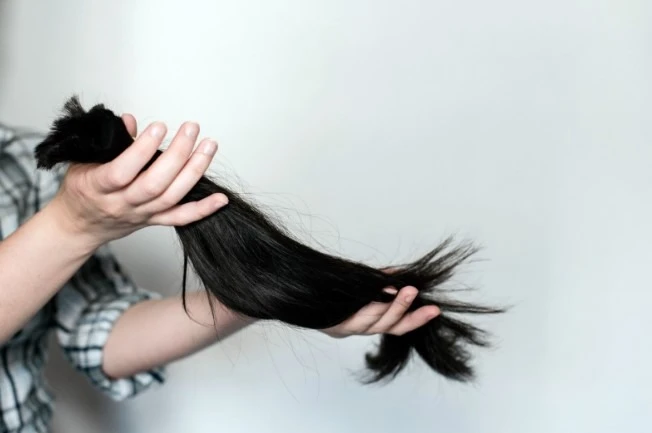
Expertise in hair extension removal is essential to avoid complications and preserve your hair’s natural vitality. When seeking a specialist in London, prioritize salons with a clear track record in extensions work. Certifications, client reviews, and a transparent approach to products and techniques provide confidence in their service.
Personalized consultations are equally important. Every individual’s hair type, history, and extension method demand a tailored plan. During your appointment, a reputable stylist should assess the condition of both your extensions and natural hair, explaining the process and recommending next steps. This prevents mistakes that could compromise hair health.
London’s experienced stylists often recommend spacing out treatments, offering nourishing therapies, and providing aftercare instructions to support recovery. Regular follow-ups can help monitor hair health and catch early warning signs of scalp stress or breakage.
If you search for recommendations or need a professional consultation the company Ivana Farisei offers on its website ivanafarisei.co.uk an overview of certified services and removal solutions tailored to your needs.
Post-Removal Care: Restoring Hair and Planning Your Next Look
Once extensions have been safely removed, your hair deserves attentive restoration. Focus on hydration, gentle detangling, and minimal heat styling for a short period. Vitamin-rich serums, restorative masks, and regular trims promote recovery. Take this window to evaluate your hair’s condition, consult with your stylist, and decide if another set of extensions or a new treatment is suitable. With careful attention and expertise, you can enjoy both the freedom of healthy natural hair and the artistry of beautifully applied extensions in the future.