
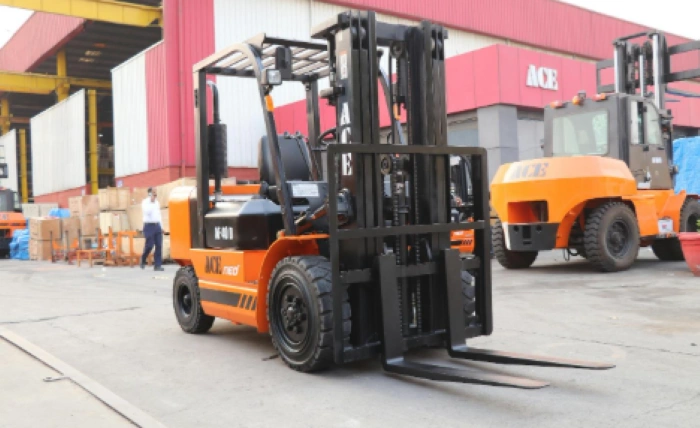
One machine breaking down during a busy shift can throw an entire operation off balance faster than most businesses expect. A forklift stops working, shipments slow down, workers start waiting around, and suddenly, small delays spread through the warehouse within hours. Most downtime begins quietly like that before the pressure builds everywhere else.
Modern operations move faster now, which leaves very little room for interruptions. Shipping schedules, inventory systems, and customer expectations all depend on equipment working consistently throughout the day. Delays that once felt manageable now create immediate ripple effects because businesses operate on tighter timelines and far less flexibility than they used to.
Why Access to Reliable Parts Matters More Than Businesses Expect
Many equipment failures do not begin with major breakdowns. A worn seal, damaged sensor, leaking hose, or failing electrical component often creates smaller warning signs first. The problem is that busy operations usually keep pushing equipment until something finally stops working completely. That delay often costs more than the repair itself because downtime spreads through the entire workflow once operations slow down.
This is partly why businesses pay closer attention now to replacement part availability and long-term maintenance planning. When equipment repairs depend on difficult-to-find components, delays become expensive very quickly. Many warehouse managers and maintenance teams now rely on suppliers like Intella Parts Company. You can visit https://intellaparts.com/ to find out all that the company has in store. Businesses have only realized it now that keeping reliable access to forklift and material handling parts has become part of maintaining operational stability instead of simply fixing problems after they appear.
Downtime Affects More Than One Machine
A lot of companies still calculate downtime too narrowly. They focus on repair costs without fully considering how many other systems depend on that equipment continuing to work properly. One broken forklift might delay loading schedules, slow inventory movement, interrupt shipping timelines, and increase pressure on workers trying to compensate manually.
That stress spreads fast inside busy operations. Employees begin rushing to catch up. Managers adjust schedules constantly. Overtime increases. Smaller mistakes happen because everyone is working around the missing equipment instead of following normal processes. Sometimes, one delayed shipment creates customer complaints that continue long after the machine itself gets repaired.
The frustrating part is how quickly the normal workflow disappears once the equipment stops cooperating. Most operations only feel smooth because dozens of systems are functioning together quietly in the background every single day.
Small Maintenance Delays Become Expensive Later
A common pattern happens in many facilities. Minor issues get postponed because production deadlines feel more urgent at the moment. Strange noises get ignored. Hydraulic leaks stay temporary for too long. Tires wear down further than they probably should. Equipment keeps operating because, technically, it still works. Then, eventually, something fails completely.
Emergency repairs almost always cost more than preventive maintenance. Parts become harder to source quickly, technicians get called in urgently, and operations may stop entirely while waiting for repairs. The original issue might have been relatively inexpensive weeks earlier, before additional damage spread through connected systems.
A lot of businesses learned this the hard way during recent supply chain disruptions when replacement parts suddenly became difficult to locate. Waiting several extra days for one delayed component could affect an entire production schedule. Companies became more aware of how vulnerable operations really are when maintenance gets pushed aside repeatedly.
Employee Productivity Changes Too
Downtime affects workers more than companies sometimes realize. Employees lose momentum when operations stop unexpectedly. Some stand around waiting, while others suddenly carry heavier workloads, trying to keep things moving manually. Neither situation helps morale very much.
There is also the physical strain side of it. When equipment fails, workers often compensate through extra lifting, walking, or repetitive tasks that machines normally handle. That increases fatigue and sometimes raises safety risks, too. People become frustrated faster when simple tasks start taking twice as long because equipment problems keep interrupting the workflow.
Workplace culture shifts around unreliable equipment after a while. Employees stop trusting schedules fully because delays feel constant. Managers become more reactive instead of proactive. Stress levels rise even when nobody talks about it directly. Equipment reliability quietly affects the atmosphere of a workplace more than many companies expect.
Customer Expectations Changed Faster Than Operations Did
Modern customers expect speed almost constantly now. Online ordering, same-day shipping, and real-time tracking changed what businesses consider normal delivery timelines. That creates pressure throughout warehouses and distribution centers to keep operations moving consistently without interruptions.
The problem is that many facilities still operate with aging equipment while customer expectations continue to accelerate. Small delays that once seemed acceptable now create complaints, missed deadlines, or canceled orders much faster than before. Businesses have less room to absorb operational slowdowns quietly in the background.
Technology plays into this, too. Inventory systems, scheduling software, and automated tracking rely on physical operations staying on pace. Once equipment downtime disrupts movement inside a warehouse, digital systems start reflecting those delays immediately. Customers and managers see it fast.
Supply Chains Still Feel Unstable
Supply chains feel more stable than they did a few years ago, but many businesses still operate carefully because delays remain unpredictable. Shipping problems, labor shortages, transportation issues, and unavailable replacement parts can still stretch repair timelines much longer than expected. One delayed component is sometimes enough to slow an entire operation.
That uncertainty changed how many companies handle maintenance and inventory now. Businesses are storing more critical parts internally and replacing aging equipment earlier to avoid repeated downtime. Vendor relationships matter more, too, because quick access to reliable parts often becomes more important than finding the cheapest option during high-pressure situations where every delayed shipment affects productivity.
Preventive Maintenance Is Becoming Part of Business Strategy
Preventive maintenance used to stay in the background, but many businesses now treat it as part of daily operational planning. Equipment reliability affects scheduling, labor costs, productivity, shipping speed, and customer satisfaction all at the same time. Because of that, companies are tracking machine performance more closely, inspecting equipment earlier, and paying attention to wear before breakdowns happen. Some facilities even use software to monitor usage hours automatically because unexpected repairs have become too disruptive financially.
Modern operations move too fast for downtime to stay isolated anymore. One failed machine can affect inventory, staffing, deliveries, and customer service within hours. Equipment problems also tend to appear during busy periods, which is why businesses now see maintenance as protecting workflow stability instead of simply avoiding repair costs later.