When you face tooth loss, you want an implant that feels strong, looks natural, and lasts. Accuracy matters. Today, 3D imaging and guided surgery change how your dentist plans and places implants. You no longer rely on guesswork or simple two-dimensional pictures. Instead, your dentist studies a clear three-dimensional view of your bone, nerves, and gums. Then the team uses a custom guide during surgery so each implant goes in the right spot, at the right angle, and at the right depth. This careful planning can lower pain, shorten healing, and reduce surprise problems. It also supports complex care such as full arch replacement Grand Rapids, MI. You gain a treatment that fits your mouth, your health, and your goals. You deserve that level of accuracy.
What 3D Imaging Shows That X Rays Miss
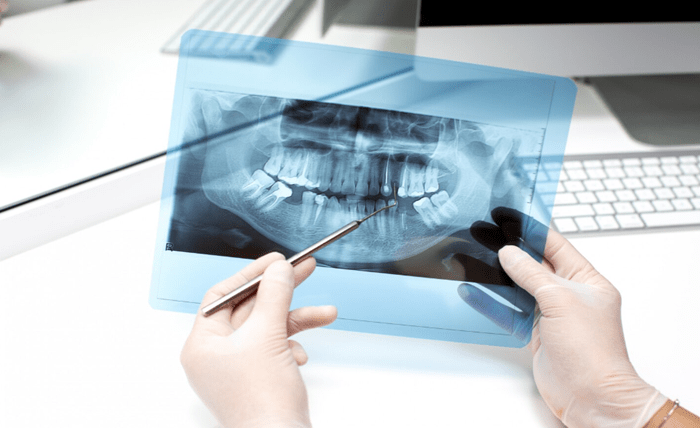
Traditional dental X-rays show flat pictures. Your mouth is not flat. When a dentist works with only two-dimensional views, key details can be hidden. Roots can overlap. Bone height can look different from what it really is. Nerves and sinuses can be hard to judge.
3D imaging, often called cone beam CT, gives a full view of your mouth. The dentist can:
- See bone height and width
- Locate nerves and sinuses
- Measure spaces with clear numbers
This level of detail helps your dentist decide if your bone can support an implant. It also helps plan bone grafts when needed. The goal is simple. Place the implant in strong bone and protect sensitive structures.
How Guided Surgery Works
Guided surgery uses your 3D scan to create a digital model of your mouth. The dentist then plans the exact spot, angle, and depth for each implant on a computer screen. Every step is set before surgery day.
From this plan, a lab makes a custom guide that fits over your teeth or gums. The guide has sleeves that control where the drill goes. During surgery, the dentist follows the guide instead of freehand placement.
This process supports three goals.
- Protect nerves and sinuses
- Use the strongest bone
- Place implants that match the final teeth
The surgery often becomes shorter and more predictable. You spend less time in the chair. You also face fewer unknowns during healing.
Freehand vs Guided Implants
Both freehand and guided methods can work. Yet they differ in accuracy and planning. The table below shows common contrasts.
| Feature | Freehand Implant Placement | 3 D Guided Implant Placement
|
|---|---|---|
| Planning method | Two-dimensional X-rays and visual judgment | 3 D scan with digital planning |
| Implant position control | Hand and eye estimate | Physical guide that directs the drill |
| Protection of nerves and sinuses | Relies on experience and guesswork | Measured distance from nerves and sinuses |
| Fit of final teeth | Teeth made after implant position is set | Implants placed to match planned teeth |
| Risk of angle or depth error | Higher | Lower |
| Use in complex full arch cases | More challenging | Supports precise multi implant planning |
This comparison does not replace your dentist’s judgment. It shows why many teams now use 3D guides for single teeth and full arches.
Benefits You Can Feel
Improved accuracy is not just a number on a screen. You feel the difference in daily life.
- Comfort. Better planning can mean smaller incisions and less swelling.
- Healing. When implants sit in strong bone, they have a better chance of bonding well.
- Bite. Correct angles support even chewing. This protects your jaw and other teeth.
These gains matter even more if you need several implants or a full arch. One error can affect every tooth in the set. Guided surgery helps the team keep each implant in harmony with the others.
Safety and Radiation
Many people worry about radiation from 3D scans. That concern is fair. Modern cone beam CT units use lower doses than older scans. Dentists also follow the “as low as reasonably achievable” approach to limit exposure.
The American Dental Association gives clear advice on when imaging is useful. You can also ask your dentist why a scan is needed and how it helps your case.
What To Ask Your Dentist
You deserve clear answers before any implant surgery. Helpful questions include:
- Will you use 3D imaging to plan my implants
- Will my surgery use a custom guide
- How will you protect my nerves and sinuses
- How do you plan the final teeth before placing the implants
- What results do you see with guided surgery compared with freehand
Honest answers can calm fear and help you choose the right timing for care.
When 3 D Guidance Matters Most
Guided surgery can help in many situations. It becomes especially useful when:
- You lost several teeth in one part of your mouth
- You need a full arch of new teeth
- Your bone is thin or uneven
- You have nerves or sinuses close to the planned implant site
In these moments, precision protects your health and your future smile. Careful planning at the start can prevent regret later.
Taking Your Next Step
Tooth loss can feel heavy. You might fear pain, cost, or another failure. Still, modern tools give your care team strong control. 3D imaging and guided surgery help them place implants with accuracy and intention.
You do not need to rush. You can gather facts, ask questions, and request a plan that uses this technology. Your mouth carries your voice, your food, and your daily comfort. It deserves careful work supported by clear images and guided hands.