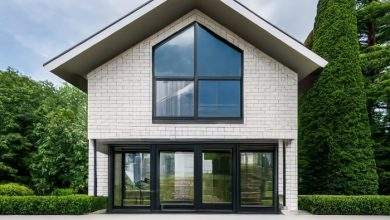
Residential siding serves as a crucial protective layer for any home, providing far more than just aesthetic appeal. It acts as a barrier, shielding the underlying framework from harsh environmental conditions, including rain, wind, snow, and extreme temperatures. Beyond preventing surface damage, siding plays a vital role in maintaining the stability and durability of a home’s structural components, including walls, framing, and foundations. Well-installed siding minimizes the risk of moisture intrusion, pest infestations, and thermal stress, all of which can compromise a building’s integrity over time. We will explore how siding contributes not only to the visual charm of a residence but also to its long-term resilience, energy efficiency, and overall value, highlighting why it is an essential aspect of thoughtful home maintenance and protection.
Shielding Against Environmental Stress
One of the primary roles of residential siding is to protect the home from environmental stressors that can damage structural components. Moisture is one of the most destructive forces affecting a building’s integrity. Rainwater, snow, and ice can penetrate walls and foundations if the exterior is inadequately protected, leading to wood rot, mold growth, and material corrosion. Over time, these problems weaken framing, joists, and load-bearing walls, compromising the overall stability of the home.
Siding acts as a continuous protective barrier, diverting water away from sensitive areas and reducing the chances of long-term damage. Residential siding by Apex Construction not only protects against moisture but also shields the home from wind-driven debris that can erode surfaces and create cracks or punctures in the walls. By maintaining a durable exterior layer, this siding protects structural components and helps a house withstand harsh weather, ensuring it remains safe and resilient over decades.
Enhancing Thermal Stability
Residential siding also plays a crucial role in supporting a home’s thermal stability, which indirectly strengthens its structural integrity. Construction materials such as wood, concrete, and metal expand and contract in response to temperature fluctuations. Repeated cycles of heating and cooling can lead to cracks in walls, panel separation, and joint weakening, ultimately affecting the building’s stability. Insulated siding, such as fiber-cement or vinyl with thermal backing, helps regulate indoor temperatures, reducing the stress caused by extreme heat or cold.
By minimizing thermal expansion and contraction, siding prevents structural strain and prolongs the lifespan of internal framing and exterior panels. In addition, stable indoor temperatures reduce moisture accumulation caused by condensation, further protecting wood and other materials from deterioration. Through this combination of thermal and moisture control, siding contributes significantly to the durability and longevity of the home’s framework.
Preventing Pest Infestations
Siding also serves as a critical deterrent against pests, which are often overlooked threats to a home’s structural integrity. Insects such as termites, carpenter ants, and beetles can infiltrate a building through cracks, gaps, and unprotected surfaces, causing severe damage to wooden framing and support structures. Over time, pest activity can compromise load-bearing elements, leading to costly repairs and reduced structural safety. Properly installed siding creates a physical barrier that makes it difficult for insects to access vulnerable areas.
In addition, siding reduces the likelihood of moisture-related decay, which often attracts pests looking for weakened or damp wood. By minimizing entry points and maintaining dry, stable conditions around the home’s exterior, siding helps prevent infestations that could undermine the foundation and structural framework. This protective function is especially valuable in regions prone to termite activity or high insect populations, ensuring that the home remains secure and durable for years to come.
Supporting Long-Term Maintenance and Property Value
Beyond immediate protection, residential siding supports long-term home maintenance and helps preserve property value. A well-maintained siding system reduces the need for frequent repairs to exterior walls, roofs, and interior structures affected by weather, pests, or thermal stress. Homes with strong, durable siding retain their structural integrity and visual appeal over time, making them more attractive to potential buyers and maintaining market value. Siding also improves energy efficiency by reducing heat loss in winter and minimizing heat gain in summer, lowering the strain on heating and cooling systems.
Efficient climate control not only saves energy costs but also prevents structural stress caused by fluctuating indoor temperatures. Furthermore, siding enhances the overall lifespan of roofing, window frames, and other exterior features by shielding them from environmental damage. The combination of protection, energy efficiency, and aesthetic appeal ensures that a home remains safe, functional, and visually inviting, demonstrating the long-term benefits of investing in quality siding.
Increasing Resistance to Physical Wear and Aging
Residential siding also strengthens a home by increasing its resistance to physical wear and aging. Over time, even the sturdiest buildings face challenges from natural and human-induced wear. Sunlight, rain, and wind gradually erode surfaces, while accidental impacts can cause localized damage. Siding absorbs much of this external impact, preventing direct damage to structural materials beneath. By reducing surface erosion, siding maintains the integrity of walls, framing, and joint connections.
Additionally, modern siding materials are designed to resist cracking, warping, and fading, ensuring that protection is maintained over decades. This long-term durability is particularly important for homes in climates with extreme temperature swings, heavy rainfall, or frequent storms. By preserving the exterior shell, siding helps keep internal structural components stable, reducing the frequency of costly renovations and maintaining the home’s overall strength and resilience.
Residential siding is more than an aesthetic addition; it is an essential component in maintaining a home’s structural integrity. By shielding the building from environmental stress, stabilizing internal temperatures, deterring pests, and managing water effectively, siding preserves the strength and durability of walls, foundations, and framing. It also contributes to long-term maintenance, energy efficiency, and property value, ensuring that the home remains safe, resilient, and visually appealing for decades.