
Introduction
Skin analysis is one of the first skills you will learn after stepping into esthetics training. It’s not a lesson that you can simply check off at the beginning of the program. It becomes part of how you think, observe, and approach every service you perform. Learning skin analysis in esthetics programs helps you understand what the skin needs and how to work with it safely and professionally.
Right from the beginning, skin analysis is considered a core competence skill. It is directly related to all the esthetics services you will learn, from facials to hair removal. You are taught to look at the skin closely and make the right decisions instead of just guessing or following some random routine blindly.
Understanding the basics of the Skin
Your training begins with learning how the skin works. You study the structure of the skin and its layers and general functions. This information can help you understand why and how skin reacts to products, treatments and environmental conditions.
Later on, you also get to know about common skin types like dry, oily, combination and sensitive. You also study common skin conditions that estheticians are trained to recognize. This foundation allows you to approach skin analysis with confidence instead of uncertainty.
Learning how to observe skin correctly
Skin analysis is all about observation. During esthetics training, you are taught how to observe skin by sight or touch. You also learn how to observe texture, tone, pore size, hydration levels and elasticity. Knowing these helps you in understanding what the skin can handle and what services would suit it best.
You also learn that skin can change based on lifestyle, environment, and routine. Because of this, skin analysis is not treated as a one-time process. You are trained to analyze the skin every time you perform a service, even if you have worked with the same client before.
Sanitation and Safety Come First
Before you ever touch a client’s skin, sanitation and safety are ensured. Skin analysis is always carried out in a proper hygienic manner. You are taught how clean hands, disinfected instruments and proper preparation would be safe for both you and your client.
This element of training teaches you that the health and safety of your skin go hand in hand. Adherence to proper sanitation rules during analysis helps minimize the risk of irritation and ensures services are carried out in a responsible way.
Practicing Skin Analysis Hands-On
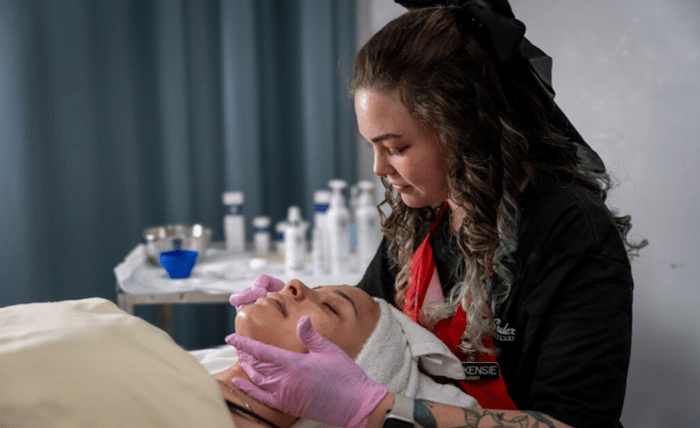
Hands-on practice is a major part of learning skin analysis in esthetics programs. You are provided with both guidance and experience to put your knowledge into practice.
Instructors guide you throughout the process and help you understand what to look for and how to document your observations.
This practice helps you get familiar with the process of analyzing various skin types and conditions. With time, you get more confident as you learn how to adjust services depending on the skin type and condition. In fact, employment of skincare specialists in the U.S. is expected to grow by 7 percent from 2024 to 2034, which is much faster than average for all occupations.
Building Strong Consultation Skills
Analysis of skin does not mean just observing it. You also learn to ask the right questions. The training includes consultation with clients with a focus on skin history, current routines and lifestyle considerations that can influence skin health.
You are also taught to communicate professionally without stepping outside your scope. This helps in developing trust but also maintains professional standards. Consultation skills work together with skin analysis to guide safe service decisions.
Connecting Skin Analysis to Esthetics Services
As you move ahead with your training, skin analysis becomes a part of every service you perform. Prior to facials, you analyze the skin to determine the right cleansing, exfoliation and treatment methods.
Assessment of the skin before hair removal services ensures it can tolerate the process. These are some things you can learn and become a licensed skin professional without leaving your area. This consistent approach helps you understand how skin analysis supports service outcomes. It also helps you develop good habits that carry into professional settings after graduation.
Learning Through a Structured Program
Esthetician schools in South Carolina follow a structured learning program that meets licensing requirements. Skin analysis is taught one step at a time, beginning with theory and moving to practical application. This framework teaches you to acquire skills slowly and steadily without feeling stressed.
In your later training stages, you learn how to analyze the skin easily. You no longer depend on memorization. Rather, you understand why each step is important and if it fits into the right professional practice or not.
Final Thoughts
Skin analysis skills you learn in esthetics programs equip you with the tools to work with skin professionally and responsibly. If you are willing to build real skills and get a license, an accredited esthetics program is the best way forward. Visit Kenneth Shuler School of Cosmetology now and learn more about the program details, the training process and begin your career in esthetics today.