
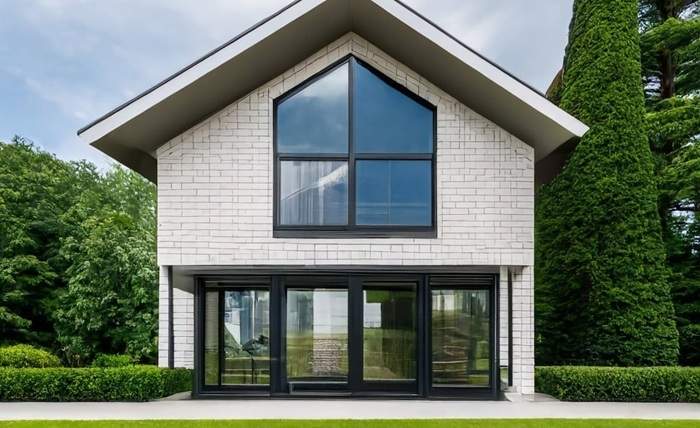
Most homeowners don’t realise their windows are quietly draining money every single day. There’s no sudden breakdown, no obvious failure. Instead, the loss happens slowly through heat leakage, drafts, moisture buildup, and overworked heating systems. By the time the issue feels urgent, the financial damage has already stacked up over years.
In Canada’s climate, windows aren’t just about light or aesthetics. They’re part of a home’s thermal armour. When they underperform, everything else in the house has to compensate. Higher utility bills, inconsistent room temperatures, and premature wear on HVAC systems are often symptoms of the same root problem.
Understanding how and why old windows cost more than expected is the first step toward making a smarter long-term decision.
Heat Loss Adds Up Faster Than Most People Expect
Natural Resources Canada estimates that up to 25 percent of a home’s heat loss can occur through windows and doors. In older homes, especially those built before modern efficiency standards, that number can be even higher.
Single-pane windows or early-generation double-pane units lack the insulating performance required for Canadian winters. Over time, seals fail, frames shift, and microscopic gaps allow warm air to escape while cold air seeps in. Even when windows look intact, their thermal performance may be far below what the home needs.
This constant heat loss forces furnaces to run longer and cycle more frequently. The result is higher energy consumption month after month, year after year, without a clear culprit in sight.
Rising Energy Bills Aren’t Just About Utility Rates
It’s easy to blame higher heating bills on rising energy prices. While rates do play a role, inefficient windows magnify their impact.
When a home loses heat faster than it should, the cost increase isn’t linear. Heating systems work harder to maintain set temperatures, especially during cold snaps. According to building efficiency studies across Canada, homes with outdated windows can consume 15 to 30 percent more energy for heating compared to similar homes with modern window systems.
That difference compounds over time. A few extra dollars per day doesn’t feel dramatic, but across a decade, it can translate into thousands of dollars in avoidable costs.
Comfort Problems Are a Warning Sign, Not an Inconvenience
Drafts, cold floors near windows, and uneven temperatures between rooms are often dismissed as quirks of older homes. In reality, they’re early indicators of energy inefficiency.
When interior glass surfaces stay cold, condensation forms more easily. This moisture can damage frames, encourage mould growth, and reduce indoor air quality. Bedrooms near older windows may feel uncomfortable in winter and overheated in summer, limiting how spaces are used.
Upgrading to modern energy-efficient replacement windows directly addresses these issues by improving insulation, stabilising indoor temperatures, and reducing unwanted air movement. The change is often noticeable immediately, not just on the next utility bill.
The Role of Modern Window Technology
Window performance has advanced significantly over the past two decades. Today’s high-efficiency windows are engineered systems, not just panes of glass in a frame.
Low-emissivity coatings reflect interior heat back into the home during winter while reducing solar heat gain in summer. Inert gas fills such as argon improve insulation between panes. Multi-chambered vinyl or composite frames reduce thermal bridging and resist warping in extreme temperatures.
Performance is measured using metrics like U-factor and Solar Heat Gain Coefficient, both of which are optimised differently for Canadian climates. Properly specified windows balance insulation and sunlight rather than prioritising one at the expense of the other.
These technologies work together to reduce energy loss in ways older windows simply cannot match.
Climate Matters More Than Brand or Style
One of the most common mistakes homeowners make is choosing windows based on appearance or brand reputation alone. In Canada, climate suitability matters more than almost any other factor.
Windows designed for mild regions may perform poorly in areas with prolonged freezing temperatures or large seasonal swings. Freeze-thaw cycles place stress on frames and seals, while cold air infiltration becomes more damaging over time.
Research from the Canada Mortgage and Housing Corporation shows that climate-appropriate window systems can reduce heating demand by up to 20 percent in colder regions. That difference isn’t theoretical. It shows up clearly in energy usage data.
Choosing windows engineered for local conditions ensures performance holds up not just in year one, but over decades.
HVAC Systems Pay the Price for Inefficient Windows
Older windows don’t just increase energy bills. They shorten the lifespan of heating and cooling equipment.
When heat escapes through windows, furnaces and heat pumps compensate by running longer cycles. This increased workload accelerates wear on components such as motors, fans, and heat exchangers. Over time, this leads to more frequent maintenance and earlier replacement.
Replacing a furnace years earlier than expected is far more expensive than addressing window inefficiency upfront. Efficient windows reduce system strain, extending equipment life and lowering long-term ownership costs.
Noise, Moisture, and Air Quality Are Part of the Cost Equation
Energy loss is only one side of the equation. Older windows often allow outside noise to penetrate more easily, especially in urban or suburban areas. Traffic, construction, and neighbourhood activity become part of daily life indoors.
Modern multi-pane windows with proper sealing can reduce exterior noise by 30 to 50 percent, according to acoustic performance testing standards. This improvement directly affects sleep quality, concentration, and overall comfort.
Moisture control also improves significantly. By keeping interior glass warmer, efficient windows reduce condensation risk, protecting surrounding walls and finishes while supporting healthier indoor air quality.
Resale Value Reflects Energy Performance More Than Ever
Today’s homebuyers are far more energy-aware than previous generations. Heating costs, insulation quality, and window condition are common inspection focus points, especially in colder provinces.
Homes with newer, efficient windows often attract stronger interest and face fewer objections during negotiation. While window replacement may not offer a full dollar-for-dollar return, it increases buyer confidence and reduces perceived risk.
In competitive markets, that confidence can translate into faster sales and fewer concessions.
Installation Quality Determines Whether Savings Are Real
Even the best window on the market will fail to deliver results if it’s poorly installed. Gaps, misalignment, and improper sealing can undo most efficiency gains.
Professional installation ensures windows integrate correctly with existing insulation, vapour barriers, and exterior finishes. It also reduces the risk of water intrusion, which can cause structural damage over time.
Installation should be viewed as part of the performance system, not a secondary consideration.
Making a Decision That Pays Off Over Time
Old windows don’t just cost money when they finally fail. They cost money quietly, steadily, and persistently every year they remain in place.
For Canadian homeowners, replacing inefficient windows is less about appearance and more about controlling energy loss, protecting comfort, and reducing long-term expenses. When the right windows are chosen for the climate and installed correctly, the benefits compound year after year.
The upfront investment often pays for itself through lower energy bills, reduced maintenance costs, improved comfort, and stronger resale appeal. More importantly, it turns a hidden drain into a long-term advantage, allowing the home to perform the way it should in Canada’s demanding climate.