
Think about a modern miracle. A life-saving vaccine. A groundbreaking cancer drug. A rapid diagnostic test. These marvels share a common ancestor. That ancestor is a tiny, almost invisible drop of liquid.
The future of medicine and discovery now hinges on an exact volume. We are talking about precision liquid dispensing. This technology moves beyond simple pouring. It is the art and science of delivering minute amounts of fluid. It does this with incredible accuracy. It does this with perfect consistency.
This capability is transforming labs. It is reshaping factories. It is quietly powering a new era of innovation.
The End of the Eyedropper Era
Old-school methods just don’t cut it anymore. Hand-pipetting is slow. It is prone to human error. A tired thumb can create a major mistake. A slight tremor changes everything. Modern science cannot tolerate this kind of variability.
The solution lies in automation. The heart of this automated system is often a sophisticated microdispenser. This device is an engineering marvel. It can handle volumes smaller than a single teardrop. Think picoliters. That is one trillionth of a liter. This tool works with gravity, pressure, or sound waves. It places a perfect droplet exactly where it needs to be. Every single time.
Fueling the Drug Discovery Engine
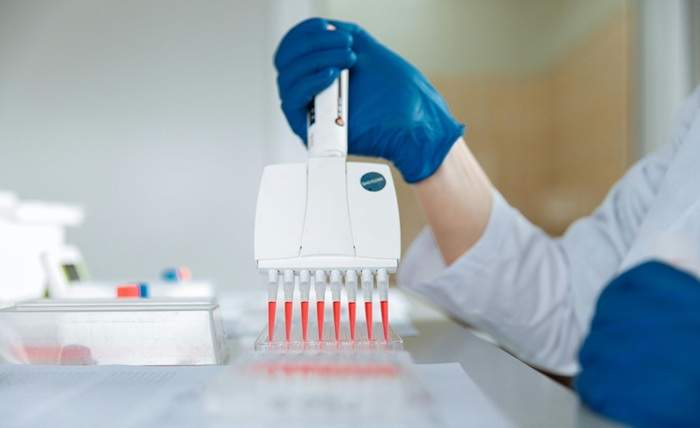
Pharmaceutical research is a numbers game. Scientists test thousands of potential compounds. They search for that one magical molecule. Speed and precision are everything here. Precision dispensers set up these massive experiments. They place microscopic samples into thousands of tiny wells. They do it in hours. They ensure every test condition is identical.
This reliability is non-negotiable. It allows researchers to trust their results completely. A false signal from a sloppy dispense could waste months of work. This technology accelerates the entire journey. It moves potential drugs from idea to clinical trial much faster.
Building the Blocks of Biology
Synthetic biology is an exciting frontier. Scientists aim to build new biological systems. They edit genomes with tools like CRISPR. These processes are like molecular-scale construction.
Precision dispensing acts as the ultimate nano-pipette. It delivers the genetic “instructions” into cells. It adds the chemical “building blocks” for reactions. The scale is almost unimaginably small. The required accuracy is absolute. A tiny error here can derail an entire experiment.
Reliable dispensers provide the control needed for this delicate work. They turn ambitious concepts into tangible reality.
The Backbone of Modern Diagnostics
Walk into any clinic. Many common tests rely on this hidden technology. Rapid lateral flow assays, like pregnancy tests, need precise reagent stripes. High-throughput clinical analyzers process hundreds of blood samples. They add exact amounts of antibodies or chemicals.
Consistency is critical for a correct diagnosis. A minuscule variation in volume creates a false reading. This could mean a missed disease. Or an unnecessary scare. Automated, precise liquid handling removes this risk. It gives doctors and patients confidence in the results. It makes healthcare more reliable for everyone.
Beyond the Life Sciences
The influence of this technology spreads further. It reaches into industries you might not expect. Watchmakers use it to apply microscopic lubricants. Electronics manufacturers rely on it for “underfilling” chips. This process protects delicate components with a precise glue dot.
Even the food and fragrance industries are adopters. They need absolute consistency in flavorings and scents. One imprecise drop ruins an entire batch. The core principle remains the same across all fields. Exact control over tiny volumes improves quality. It boosts efficiency. It drives miniaturization.
Tackling the Toughest Challenges
The work is not done. Pushing the boundaries always presents new hurdles. Handling viscous liquids, like certain gels, is difficult. Working with volatile solvents is tricky. They can evaporate mid-dispense.
The next generation of dispensers is tackling these problems. They feature advanced pressure control systems. They use instant camera feedback for real-time correction. Some even employ artificial intelligence. The AI learns the ideal dispensing parameters for each unique liquid. The goal is universal precision. Any liquid. Any volume. Any time.
A Future Measured in Microns
The trajectory is clear. Science and industry will keep moving smaller. They will demand greater precision. Liquid dispensing will evolve from a supporting tool. It will become an integrated, intelligent system.
Imagine a dispenser that communicates directly with a design file. It fabricates custom tissues cell by cell. Or one that mixes complex drugs on-demand at a patient’s bedside. The potential feels boundless. This quiet technology will enable the next wave of manufacturing. It will be bioprinting. It will be personalized medicine. It will be labs-on-a-chip.
The Big Impact of Tiny Drops
We often celebrate the big ideas. We rightfully cheer for the breakthrough discovery. But we should also appreciate the tiny, perfect drop. It is the unsung hero. Precision liquid dispensing is a fundamental enabler. It turns brilliant hypotheses into actionable data. It transforms chemical recipes into life-saving therapies. It builds trust in the machines that keep us healthy.
In a world demanding more accuracy, this technology delivers. One flawless microdroplet at a time. The future, it turns out, will be measured with impeccable precision.