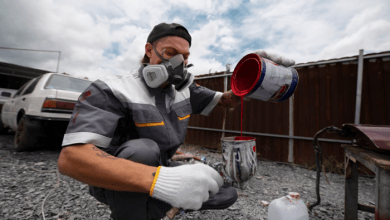

Over time, even the toughest materials can accumulate layers of grime, corrosion, coatings, and industrial residue. Metal equipment becomes rusted, machinery parts gather hardened deposits, and painted surfaces can deteriorate under years of environmental exposure. What begins as minor surface wear can gradually develop into thick layers of contamination that standard cleaning simply cannot remove.
Professionals who restore and maintain industrial materials rely on specialised techniques designed to remove these layers safely and efficiently. In many facilities, the process takes place inside controlled environments such as a blast chamber, where high-powered equipment can strip away buildup without damaging the underlying material.
Understanding how professionals approach this task reveals why specialised cleaning methods are often the only way to restore surfaces that have been exposed to years of heavy use.
Why Tough Materials Accumulate Heavy Build-Up
Industrial materials face conditions that most everyday surfaces never encounter. Equipment and structures are exposed to heat, chemicals, moisture, and repeated mechanical stress. These factors gradually cause residues to form and harden.
Some of the most common types of buildup include:
- Rust and corrosion on metal components
- Old paint layers and protective coatings
- Grease and oil residue from machinery
- Mineral deposits caused by heat or water exposure
- Industrial contaminants from manufacturing processes
Once these materials settle and bond to a surface, they become difficult to remove with simple washing or scrubbing. Over time, the buildup can become thick enough to affect the function or safety of equipment.
The Limitations of Standard Cleaning
Basic cleaning methods are designed for routine maintenance. They are effective at removing dust, light grime, and loose debris. However, when contaminants harden or chemically bond to a surface, these methods often fall short.
For example, corrosion penetrates the outer layer of metal rather than simply sitting on top of it. Similarly, paint coatings form strong bonds that cannot be dissolved easily without specialised tools or chemicals.
Attempting to remove these materials using ordinary cleaning tools can lead to several problems:
- Incomplete removal of contaminants
- Surface scratching or damage
- Uneven cleaning results
- Increased labour time
Because of these challenges, professional cleaning techniques are often required when dealing with heavily affected materials.
How Professionals Restore Contaminated Surfaces
Professional surface restoration focuses on removing buildup while preserving the integrity of the material beneath it. The process requires careful control of both tools and environment.
Rather than relying solely on chemicals or manual scrubbing, professionals often use mechanical cleaning methods that can break through hardened layers.
These methods allow technicians to:
- Remove corrosion and oxidation
- Strip old coatings from metal surfaces
- Eliminate thick industrial residue
- Prepare surfaces for repainting or refinishing
The goal is not simply to clean the surface but to return it to a condition where it can function properly again.
The Importance of Controlled Cleaning Environments
When dealing with powerful cleaning equipment, safety and precision become critical.
Controlled environments allow professionals to manage dust, debris, and material fragments produced during the cleaning process. This helps protect both workers and nearby equipment.
A controlled workspace also improves the consistency of the results. By containing the cleaning process, technicians can maintain proper visibility, ventilation, and equipment control.
These environments are particularly important when restoring valuable machinery or components that require careful handling.
Preparing Surfaces for Recoating or Repair
Many industrial surfaces require cleaning before they can be repaired or protected with new coatings.
If old materials remain on the surface, new coatings may not adhere properly. This can lead to premature failure, causing paint to peel or protective layers to degrade.
Professional surface cleaning prepares materials for the next stage of maintenance. Once contaminants are removed, surfaces can be:
- Repainted with protective coatings
- Sealed against corrosion
- Repaired or welded
- Returned to service with improved durability
Proper preparation ensures that these treatments perform as intended and last longer.
Extending the Life of Industrial Equipment
Surface buildup does more than affect appearance. In many cases, it interferes with how equipment operates.
Rust can weaken metal components. Hardened residue may obstruct moving parts. Thick coatings can hide structural damage that requires attention.
By removing buildup thoroughly, maintenance teams can inspect materials more accurately and identify potential problems earlier.
Regular surface restoration helps extend the lifespan of industrial assets and reduces the likelihood of costly breakdowns.
The Role of Preventive Maintenance
While professional cleaning can restore heavily contaminated surfaces, preventive maintenance helps reduce how often this level of restoration is needed.
Regular inspections and routine cleaning help catch buildup before it becomes severe.
Preventive strategies may include:
- Scheduled equipment inspections
- Protective coatings to resist corrosion
- Routine cleaning to remove residue early
- Environmental controls to reduce exposure to contaminants
By combining preventive maintenance with professional restoration when necessary, facilities can maintain equipment in optimal condition.
Restoring Surfaces for Long-Term Performance
Industrial materials are built to last, but years of exposure can take a visible toll. When layers of buildup accumulate, restoring those surfaces requires more than basic cleaning tools.
Professional surface restoration methods allow technicians to remove contaminants thoroughly while protecting the structure beneath. By restoring materials to their original condition, these processes help extend equipment lifespan, improve safety, and maintain the performance of critical systems.
With the right techniques and careful handling, even the toughest buildup can be removed, giving industrial materials a second life and ensuring they continue to perform reliably for years to come.