
People talk a lot about discipline when it comes to fitness, and fair enough. Discipline matters. But comfort gets overlooked far too often, which is a bit strange when you think about it. If a routine feels awkward, painful, or plain annoying, most folks in Australia will quietly abandon it faster than a snag on a barbecue plate. A better question is not just how to stay fit, but how to make fitness feel livable.
That is where comfort comes in. Not the lazy kind, mind you. More the practical kind. The sort that makes you want to roll out the mat, put your shoes on, and actually get cracking. When exercise feels physically kinder, mentally easier, and just less of a drama, people tend to return to it. Again and again. And that repeat pattern is where a sustainable fitness routine starts to take shape.
Why comfort matters more than most people admit
There is a common idea that if something is worthwhile, it ought to be hard. That mindset has its place, especially when training gets serious. Still, there is a difference between useful effort and unnecessary discomfort. If your knees are protesting on hard flooring, or your back is grumbling every time you stretch, the body starts sending little warning messages. Miss enough of those, and motivation slips out the door.
Comfort keeps those warning signs lower. It helps remove friction from the day. You are less likely to make excuses when the setup feels pleasant, supportive, and familiar. That matters for beginners, for busy parents squeezing in a short session before school drop-off, and for office workers in Sydney or Melbourne trying to escape the desk chair aches that creep in by Thursday afternoon.
There is also a psychological side to it. Comfort lowers the emotional bar. A workout does not have to feel like a punishment. If a person associates movement with relief rather than resistance, the habit has a much better shot at sticking.
The small details that change everything
Fitness routines are often built on grand plans, but the little things usually decide whether those plans survive the week. Floor texture. Cushioning. Grip. Clothing that does not bunch up in awkward places. A room that is not too cold in winter and not a sweaty oven in summer. Tiny stuff, sure, but tiny stuff has a habit of becoming the main event.
Take floor-based exercise. Yoga, stretching, Pilates, mobility work, core drills. These sound gentle on paper, yet they can feel rough if the surface is unforgiving. Anyone who has tried to hold a plank on bare tiles knows the feeling. The mind starts bargaining after about twenty seconds. Add a decent layer of support and suddenly the exercise feels more doable. Less drama, more focus.
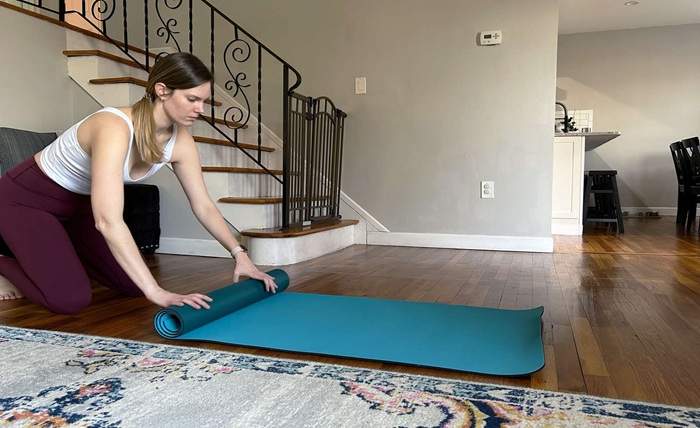
That is why many people look for gear that makes movement feel smoother, whether they are training in a home setup, joining a class at the local studio, or squeezing in a quick session after work. A good mat, for example, can change the whole mood of the workout. If you are browsing yoga mats, it usually helps to think beyond colour or price and look at how the mat feels under pressure, how much grip it offers, and whether it suits the sort of movement you actually do.
Comfort builds consistency, and consistency builds results
People love results. Fair. Results are the shiny bit. Yet results are usually just the visible tip of a much less glamorous iceberg called repetition. Repetition is where comfort earns its keep.
If getting ready for exercise feels like a hassle, the routine starts bleeding energy before it even begins. But when the experience is comfortable, the barrier drops. No one is pretending that every session will feel exciting. Some days will still be slow, and some will feel a bit flat. That is normal. Comfort simply makes it easier to show up on the dull days, which, let us face it, are the days that decide the whole thing.
There is a reason so many fitness plans fall apart after the initial burst of enthusiasm. The plan looked great on Sunday night. By Wednesday, the floor was hard, the clothes were irritating, and the motivation had gone missing somewhere between breakfast and lunch. Comfort helps close that gap between intention and action.
Australian routines need practical comfort
Australia throws its own little quirks into the mix. Summer heat can make indoor workouts feel sticky and frustrating. Winter mornings in places like Adelaide, Canberra, or Hobart can make the floor feel absolutely chilly enough to question your life choices. Even in warmer regions, garage gyms and tiled living rooms are not exactly designed for joint-friendly movement.
That is why practical comfort matters so much here. It is not about making exercise luxurious or soft to the point of uselessness. It is about building a setup that works with real conditions. A bit of cushioning. A bit of grip. A bit of ease. That sort of thing can make home workouts feel far more realistic for people who are trying to fit movement around work, family, errands, and the daily chaos that somehow always includes at least one missing sock.
Regional habits play a part too. In suburban areas, many people train at home because the local gym is too far, too crowded, or just not their thing. In city apartments, space is tight and equipment has to earn its keep. In both cases, comfort becomes a practical decision, not a luxury purchase. If the gear is easy to use and pleasant to train on, it earns a place in the routine.
Comfort does not mean lowering the standard
Some people hear comfort and immediately think softness, ease, maybe even a bit of slacking off. That is not really the point. Comfort is not about making exercise effortless. It is about removing avoidable discomfort so effort can go where it matters.
Think of it like a kitchen knife with a proper handle. The task is still chopping onions. The tool just makes the job less fiddly and far less likely to end in tears, literally or otherwise. Fitness works in a similar way. Better support lets a person focus on posture, breathing, balance, and movement quality. The workout stays meaningful. It just feels less punishing.
This is especially helpful for anyone returning after a long break. A stiff, painful starting point can make movement feel like a punishment from the outset. A comfortable setup, on the other hand, offers a gentler re-entry. That gentler entry often means people keep going long enough to rebuild strength and confidence.
The quiet confidence that comes with a comfortable routine
There is something quietly motivating about a routine that feels well matched to your body and your life. Not flashy. Not heroic. Just steady. That sort of routine builds confidence because it feels manageable. Manageable routines are easier to trust, and routines that feel trustworthy tend to survive bad weather, tired moods, and those evenings when the sofa is making a very persuasive argument.
Confidence grows from those small wins. Ten minutes becomes fifteen. Stretching becomes a full session. A session becomes a habit. Nothing dramatic, just the steady accumulation of repeat effort. Comfort helps carry that process by making movement feel less like an interruption and more like part of the day.
And honestly, that is often what people are chasing. Not perfection. Not a strict, joyless schedule. Just something they can keep doing without feeling like they need a pep talk every single time.
A routine people can live with
The best fitness routines are not always the most intense ones. They are usually the ones people can return to without dread. Comfort plays a surprisingly big role in that. It helps the body settle, the mind relax, and the habit take root. It turns exercise from a one-off burst of motivation into something far more durable.
For Australians juggling work, family, weather, and the usual daily mess, that kind of durability matters. A comfortable training setup is not a bonus feature. It can be the thing that keeps the whole routine alive. The difference between a plan that sounds good and a habit that actually lasts can be as simple as feeling okay while you do it.
So when people talk about sustainable fitness, comfort deserves a seat at the table. Not the loudest seat. Just a sensible one. The sort that helps you keep moving, keep showing up, and keep the whole thing going long after the novelty has packed its bags.