
Introduction
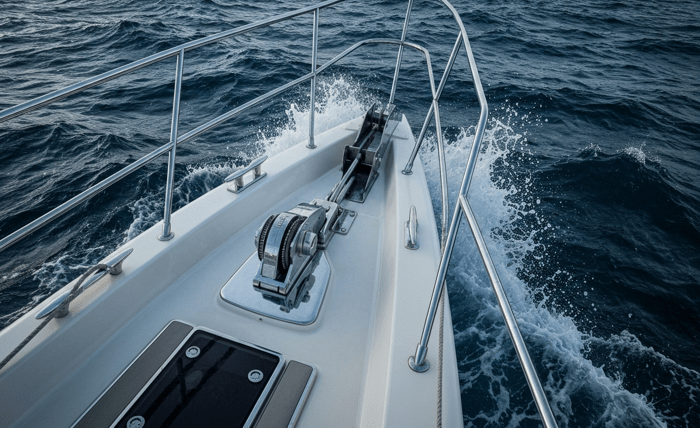
If you’ve spent any time on the water, you know that anchoring can be a real chore, especially in less-than-perfect weather. Manually hauling a heavy boat anchor can be back-breaking work and even risky in choppy seas. This is where a reliable anchor winch becomes more than a luxury; it’s a vital piece of equipment. Designed to handle the tough and unpredictable nature of harsh marine environments, the right winch ensures your anchoring is safe, swift, and effortless, letting you focus on enjoying your time on the water.
Savwinch Boat Anchor Winches Designed for Harsh Marine Environments – Essential Features and Benefits
An anchor winch is a powerful piece of equipment that transforms your boating experience, and modern boat anchor winches are designed to make anchoring effortless and reliable. Instead of struggling with manual retrieval, a winch does all the heavy lifting for you, making it easier to change fishing spots or leave an anchorage quickly if the weather turns. This adds a significant layer of safety and convenience to any boat trip.
However, not all winches are created equal. To stand up to the elements, a marine anchor winch needs specific features designed for durability and performance. From corrosion-resistant construction to powerful motors, these elements ensure your winch works flawlessly every time. Choosing the right winch for your boat size is crucial for safe and effective operation. Let’s explore the essential features that make these winches ideal for Australian waters.
1. Corrosion-Resistant Materials for Saltwater Durability
When you’re dealing with the ocean, saltwater is your equipment’s biggest enemy. Constant exposure to salt spray and submersion can cause corrosion and rapid deterioration in low-quality metals. That’s why premium anchor winches are constructed from materials specifically chosen for their saltwater durability.
High-grade stainless steel is the benchmark material for marine applications. Its composition provides exceptional resistance to rust and corrosion, ensuring your anchor winch maintains its structural integrity and smooth operation for many years. This focus on material quality is a key point of comparison when assessing different options, as it directly impacts longevity and reliability.
Beyond the winch itself, your entire anchoring system must work together. Factors that influence your choice include:
- The total weight of your anchor and chain length.
- The composition of the seabed material where you typically anchor. A winch built with superior materials ensures it can handle the stress of retrieving the anchor system in various conditions, protecting your investment.
2. Heavy-Duty Construction to Withstand Rough Conditions
A day on the water can change in an instant. Unexpected changes in weather conditions or the approach of another vessel can create situations where you need to retrieve your anchor and move quickly. In these moments, you need an anchor winch you can depend on, one built to handle serious strain and perform flawlessly under pressure.
Heavy-duty construction is non-negotiable for a winch designed for harsh environments. This means robust gearing, reinforced frames, and powerful motors that are all engineered to perform the heavy lifting required to pull a boat anchor and its rode from the seabed. A well-built winch provides peace of mind, knowing it won’t fail when you need it most.
This robust design not only enhances safety but also improves your overall boat trip. It reduces the risk of physical injury from manual hauling and eliminates the strenuous effort involved. With a heavy-duty anchor winch, you can anchor with confidence, knowing your equipment is more than capable of handling whatever the ocean throws at it.
3. Efficient Electric Motor Systems for Reliable Operation
The core of any modern anchor winch is its motor. Efficient electric winches have revolutionised anchoring by turning a physically demanding task into a simple action. At the heart of these systems is a powerful electric motor connected to a gearbox, which provides the torque needed to retrieve the anchor and rode.
The process is remarkably simple from your perspective. When you activate the winch, power from your boat’s battery is sent to the motor. The motor then drives a drum or gypsy, which is a specialised wheel that grips the rope and/or chain. This mechanism pulls the anchor line in, storing it neatly in an anchor well or on the drum itself, all with the push of a button.
This system provides incredibly reliable operation. The motors are sealed and protected from the marine environment to prevent water ingress and corrosion, ensuring they work every time. This automation allows for quick and precise anchoring, giving you more control over your boat’s position and making your time on the water safer and more enjoyable.
4. Versatile Sizing Options for Different Boat Types
There is no one-size-fits-all solution when it comes to anchor winches. The right size winch for your vessel depends on several critical factors, ensuring it has the power to manage your specific anchoring setup without being overworked or unnecessarily large. Choosing the right size is arguably the most important step in the selection process.
From smaller boats used for coastal fishing to larger offshore cruisers, there are different types of winches available to suit every need. The key is to match the winch’s capacity to your vessel’s requirements. To determine the right size, you need to know:
- Your boat’s length and weight.
- The weight of your anchor.
- The total weight of your anchor rode (rope and chain).
A winch that is too small will struggle, leading to motor burnout or failure during retrieval. Conversely, a winch that is too large can be an unnecessary expense and take up valuable space. By carefully considering your boat size and boat length, you can select a winch that provides the perfect balance of power, efficiency, and performance for your specific needs.
5. Easy-to-Use Controls for Seamless Anchoring
Even the most powerful piece of equipment is only useful if it’s easy to operate. Modern anchor winches are designed with user-friendliness in mind, simplifying the entire anchoring process. The days of complex procedures and manual labour are gone, replaced by intuitive controls that make dropping and weighing anchor a breeze.
For most electric winches, operation is as simple as the push of a button. Dash-mounted rocker switches or even wireless remotes give you complete control from the helm. This allows for seamless anchoring, letting you deploy or retrieve your anchor with precision while monitoring your surroundings. This ease of use is a significant safety feature, as it allows the skipper to remain in full control of the vessel at all times.
Whether you’re using a drum, vertical, or horizontal winch, the goal of the control system is the same: to make anchoring effortless. When you have the right anchor paired with an easy-to-use winch, you can position your boat perfectly over that fishing spot or secure it safely in a quiet bay without breaking a sweat.
Types of Boat Anchor Winches for Marine Environments
When selecting an anchor winch, you’ll find there are three main designs to choose from, each with its own advantages depending on your boat’s layout and your anchoring needs. The most common styles are drum winches, vertical windlass winches, and horizontal windlass winches. Understanding the differences is key to making the right choice for your vessel.
Drum winches are a popular choice as they store the entire anchor rode (rope and chain) on a large drum. A vertical windlass, sometimes known as a capstan anchor winch, has a vertical driveshaft and is often more compact on deck. A horizontal windlass is mounted entirely above deck, making it suitable for boats with limited space below.
Choosing the Right Boat Anchor Winch for Your Vessel
Selecting the right anchor winch is a decision that requires careful thought. The performance and safety of your anchoring system depend on getting this choice right. You need to consider your vessel’s specifications and how you plan to use it to ensure the winch can handle the load effectively.
The primary factors to consider are your boat size, the total weight of your anchor and rode (rope and chain), and the available space on your deck and in your anchor locker. You also need to decide which type of anchor winch—drum, vertical, or horizontal—is the best fit for your boat’s configuration and your personal preferences. Taking the time to assess these elements will lead you to the perfect winch.
Tips for Installing and Maintaining Your Boat Anchor Winch
Proper installation and regular maintenance are crucial for the longevity and reliable operation of your anchor winch. A correct installation ensures the winch can handle the forces exerted during anchoring, while ongoing maintenance prevents common issues and keeps the system running smoothly. A general rule is to always follow the manufacturer’s specific guidelines for both installation and care. Ensuring you have a suitable bow roller is a critical first step, as it guides the anchor and rode, preventing damage to your boat.
To keep your anchor winch in top condition, a simple maintenance routine goes a long way. Regularly rinsing the unit with fresh water after use in saltwater is the single most effective task you can perform. Periodically check all electrical connections for corrosion and ensure the anchor locker has adequate drainage to prevent the rode from sitting in water. This proactive approach helps avoid chainwheel problems and ensures the winch is ready for action.
| Task | Description |
| Installation Check | Ensure the mounting surface is strong, flat, and reinforced to handle the winch’s pulling force. |
| Wiring | Use the correct gauge of marine-grade wire and ensure all connections are sealed and protected from moisture. |
| Bow Roller Alignment | Check that the bow roller is perfectly aligned with the winch drum or gypsy to prevent the rode from chafing or jamming. |
| Regular Rinsing | After each use in saltwater, thoroughly rinse the winch, rode, and anchor with fresh water. |
| Visual Inspection | Periodically inspect the winch for any signs of wear, corrosion, or loose fittings. Check the rope and chain for damage. |
| Electrical Maintenance | Clean and protect all electrical terminals with a corrosion inhibitor to ensure a reliable power supply. |
Conclusion
In conclusion, selecting the right boat anchor winch designed for harsh marine environments is crucial for ensuring safety and efficiency during your maritime adventures. The combination of corrosion-resistant materials, heavy-duty construction, and user-friendly controls enhances not only performance but also reliability in challenging conditions. By understanding the essential features and the various types of winches available, you can make informed choices that suit your vessel’s needs. Prioritising proper installation and maintenance will further extend the lifespan of your equipment, allowing you to enjoy peace of mind on the water. If you’re ready to enhance your boating experience, consider exploring options that align with your requirements.
Frequently Asked Questions
What size anchor winch is suitable for my boat?
To find the right size winch, you must consider your boat size and the approximate weight of your anchor and rode (rope and chain). The winch’s pulling power should be at least three times the total weight of your ground tackle. Following manufacturer recommendations for your boat’s length is also a reliable average rule of thumb.
How do I maintain my marine anchor winch for longevity?
Regular maintenance is simple but vital. Rinse the entire anchor winch with fresh water after every trip. Periodically check electrical connections for corrosion, inspect the rope and chain for wear, and ensure your storage locker drains properly to prevent issues. This routine prevents most common chainwheel problems and keeps your winch ready for heavy lifting.
Are electric anchor winches safe and reliable in harsh environments?
Yes, modern electric winches are designed to be extremely safe and reliable, even in harsh weather conditions. When an anchor winch is manufactured with high-quality, corrosion-resistant materials and is installed correctly, it provides dependable operation. Following guidelines for safe use ensures your winch will perform when you need it most.